
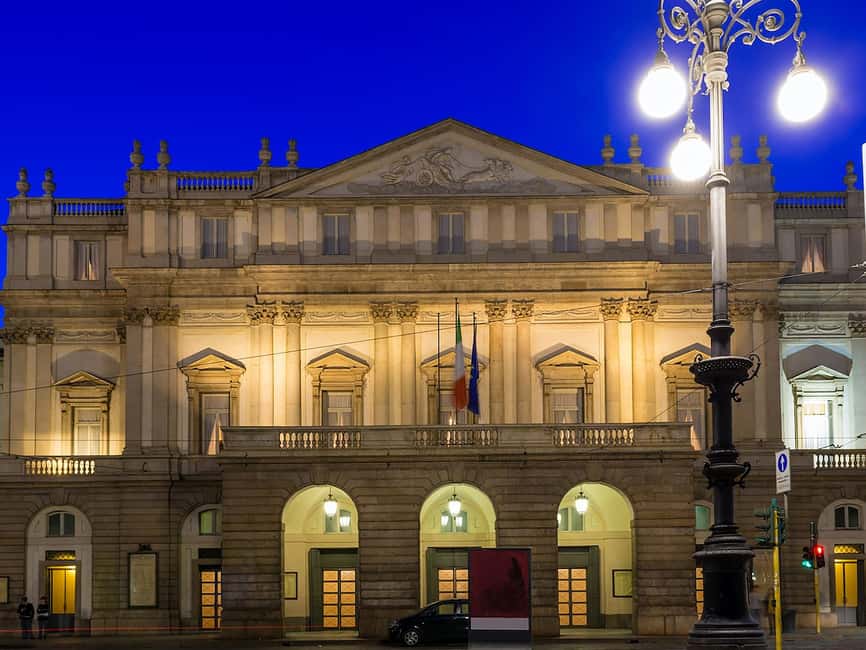
Reviewed · LA SCALA TICKETS
La Scala’s Secrets: Explore Iconic Opera & Rich History
Opera comes with real backstage objects.
This guided visit to Teatro alla Scala is interesting because you do not just look at the theatre, you learn how productions get built, from the visual design to the famous names tied to the stage. I especially like the focus on stage designs you can actually study, not just hear about.
I also like the stop at the La Scala Museum, where you can see historic costumes and musical pieces that help make Milan’s opera story feel tangible. You will get stories about major figures like Giuseppe Verdi, Gioachino Rossini, Luciano Pavarotti, and Maria Callas, so the art does not stay abstract.
One thing to consider: due to rehearsals and private events, your visit may be limited to the museum only. And while the info says wheelchair and stroller access is available, the same listing also says it is not suitable for wheelchair users, so it is smart to double-check before you go.
In This Review
- Key things you’ll notice on this La Scala tour
- Arriving at La Scala: easy meet point, right neighborhood energy
- Inside Teatro alla Scala: what the guide helps you see
- Stage designs and musical instruments: the “why” behind the spectacle
- La Scala Museum highlights: costumes, set ideas, and behind-the-curtain craft
- How to fit this into your Milan day without rushing
- Who this tour is best for, and who may want to skip it
- Should you book La Scala’s Secrets?
- FAQ
- Where does the tour meet?
- How long is the tour?
- Is the tour guided and in English?
- What’s included in the visit?
- What should I bring to the meeting?
- Are there luggage rules?
- Is it wheelchair and stroller accessible?
- Is this a private tour?
- Can the theatre visit be limited?
- What if the time I pick is not available?
- What if I book last-minute?
Key things you’ll notice on this La Scala tour
- Historic stage design details that explain what you are seeing in opera staging
- La Scala Museum artifacts like costumes, stage-related exhibits, and old instruments
- Opera legends in context, with names including Verdi, Rossini, Pavarotti, and Callas
- You learn the “how,” not only the “what,” with behind-the-scenes theatre artistry
- A convenient central location, close to Duomo and the Galleria Vittorio Emanuele
A seat inside opera's grandest stage
- Milan’s Must See: Half-Day Tour of Last Supper, Duomo & La Scala★ 4.0 · 4,193 reviews
- Milan: La Scala Theater & Museum Guided Experience★ 4.1 · 2,931 reviews
- Milan: “Museo Teatrale Alla Scala” Guided Tour★ 4.6 · 2,513 reviews
- Milan: La Scala Theater and Museum Tour with Entry Tickets★ 4.7 · 1,722 reviews
- Milan: Entrance Ticket to La Scala Theatre Museum★ 4.4 · 759 reviews
Arriving at La Scala: easy meet point, right neighborhood energy
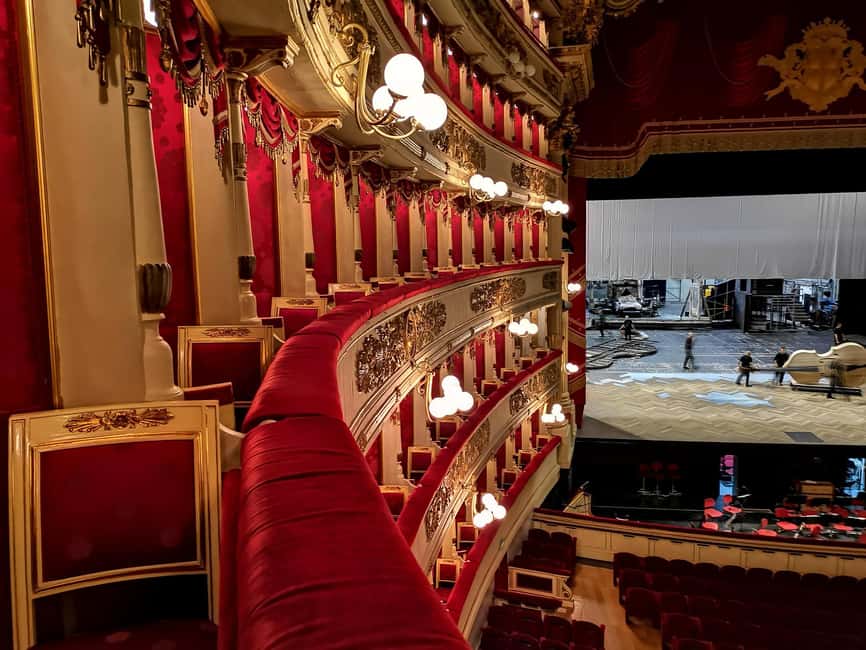
The tour starts at Largo Antonio Ghiringhelli 1, with the meeting point in front of the Museo Teatrale alla Scala entrance. The location is practical. You are in the thick of central Milan, and the theatre sits about a short walk from the Duomo area and the Galleria Vittorio Emanuele, so it is easy to build this into a day that includes major sights.
Plan to arrive a bit early. This is a live, guided group tour, not a hop-on, hop-off audio stop. Also bring a passport or ID card, since that is required. If you are carrying a large backpack or bag, you will need to leave it in the locker room. That matters because you want to move comfortably once you are inside.
A small but real tip: wear shoes that work for indoor walking. The time is about 1.5 hours, so you will be on your feet enough that you will feel every step if you chose something delicate.
Inside Teatro alla Scala: what the guide helps you see
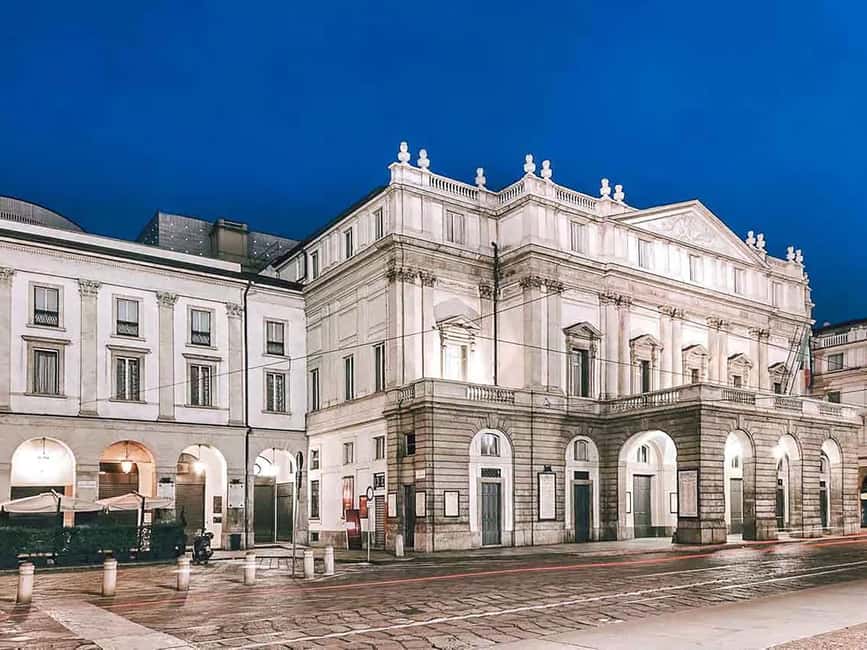
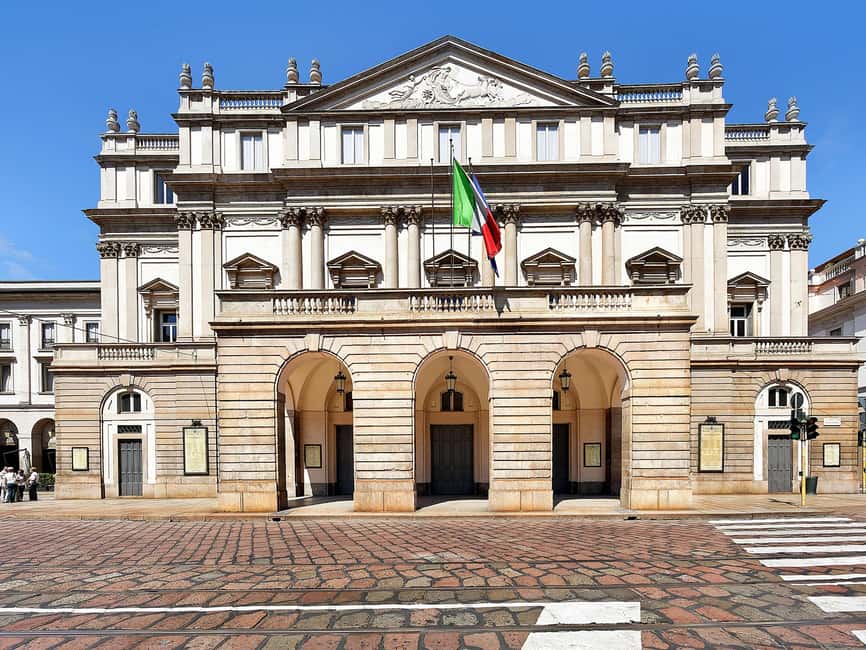
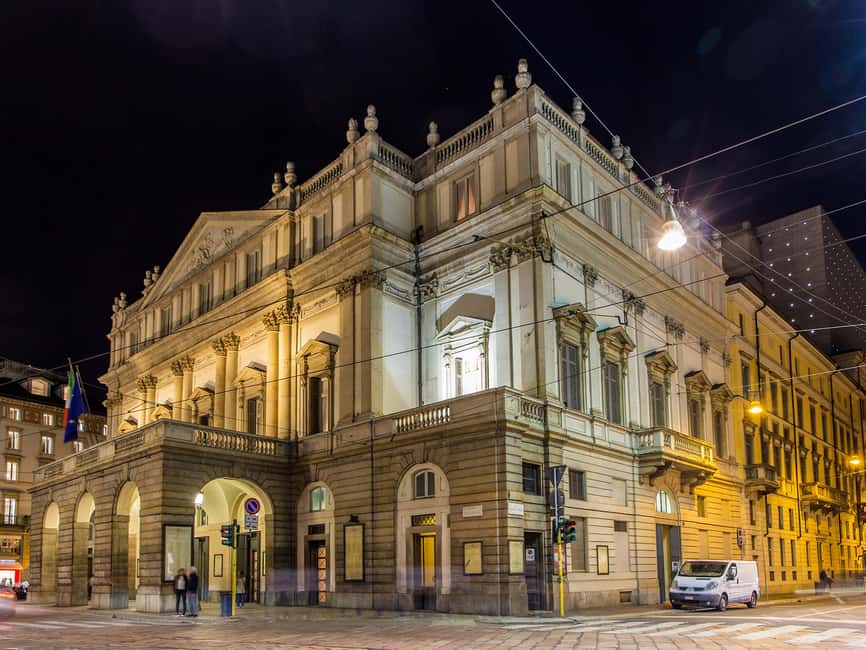
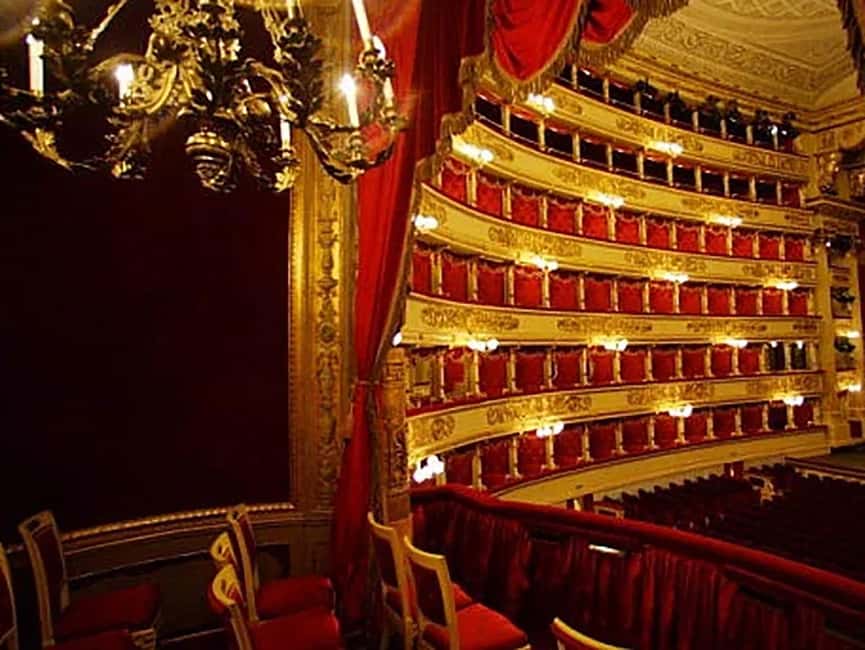
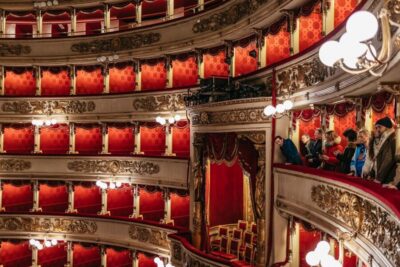
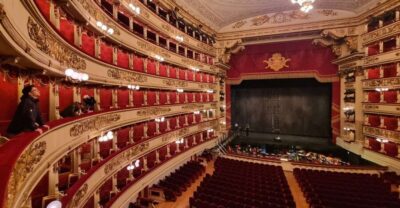
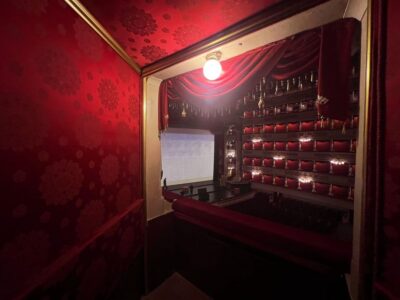
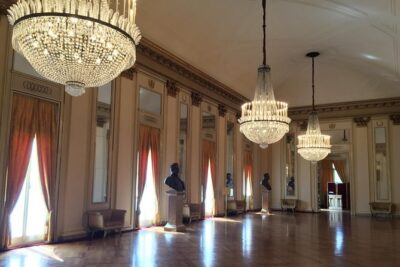
The core experience is the guided walk through the theatre’s interiors. You start with the atmosphere: elegant décor, historic charm, and a sense of scale that hits even if you are not an opera diehard. The auditorium area and the lavish boxes reflect the theatre’s place in Italian culture, and the guide helps you connect the design to what opera needs to work.
What I like about a guided theatre visit is that it slows you down in the right way. Instead of you guessing, you learn where to look and why. The theatre’s opulent architecture is not just decoration. It is part of how performances were shaped and experienced, from sight lines to the feeling of ceremony when the curtain rises.
The guide also brings the theatre to life with stories tied to the legendary artists who graced the stage. You will hear how Giuseppe Verdi helped redefine opera, how Gioachino Rossini brought bright innovation, and how Luciano Pavarotti’s voice shaped audiences worldwide. Maria Callas is part of the conversation too, with performances that left an enduring mark. Even if you only recognize one or two of these names, the guide’s framing helps you understand why La Scala is often treated like a cultural reference point in classical music.
Stage designs and musical instruments: the “why” behind the spectacle
One of the best parts is the chance to see elaborate stage designs and to learn how they serve the opera. Opera is a mix of music, acting, and visual storytelling. When you understand what the stage elements are doing, everything you have heard about La Scala suddenly makes more sense.
The tour also includes a look at historic musical instruments displayed during the visit. That is a big deal for value in a short time. Instruments tell you something books do not. They hint at the sound world a composer and performers were working within, and they show how craftsmanship supports musical expression.
Think of it like this: costumes show character and era. Stage design shows movement and drama. Instruments show sound. Put those together, and you get a more complete picture of why La Scala became famous, and why it kept being important.
If you are the type who likes art but gets impatient with vague museum talks, you will probably enjoy this part. The guide is aimed at helping you connect objects to real theatre work.
The centuries behind the Duomo
- Historic Milan Tour with Skip-the-Line Last Supper Ticket
★ 4.5 · 1,976 reviews - Milan: Fresh Pasta and Tiramisù Class in A Historical Home
★ 4.9 · 195 reviews - Step Into History: Leonardo Vinci’s Last Supper Tour
★ 4.5 · 175 reviews
La Scala Museum highlights: costumes, set ideas, and behind-the-curtain craft
After the theatre portion, you visit the La Scala Museum, described as a repository of theatrical treasures. This is where the tour really feels hands-on. Instead of relying on your imagination, you are looking at displays built around the craft of opera making.
You can expect to see exhibits tied to:
- Costumes worn by iconic performers
- Intricate stage designs that brought productions to life
- Historic musical instruments connected with celebrated performances
The museum approach is valuable because it gives you the “materials” behind famous productions. When you are standing in front of costumes and seeing how detail and texture were used, it becomes easier to understand how performers and designers together created a world. When you see stage-related artifacts, you start to appreciate that theatre is engineering and artistry at the same time.
There is also an element of continuity. This museum helps explain how La Scala’s artistic achievements influenced the performing arts beyond the walls of the theatre. The guide’s stories about major composers and performers give the exhibits more weight, so you are not only looking at old things. You are learning how those old things shaped the global opera conversation.
Important practical note: due to rehearsals and private events, your visit may be limited to the museum only. That is worth keeping in mind. If you show up hoping for full access to every theatre area, plan for the museum as the reliable part of the experience.
How to fit this into your Milan day without rushing
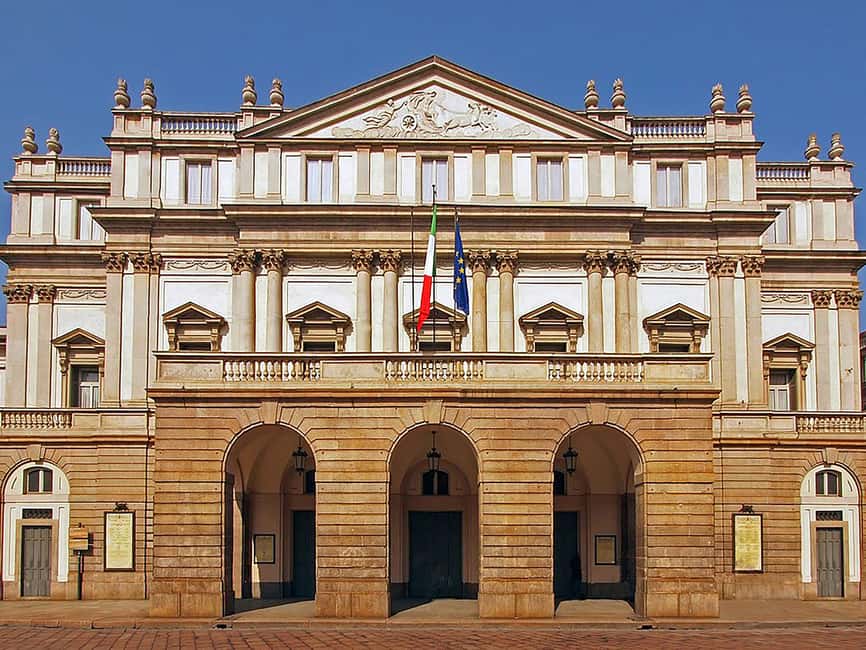
Because the tour is about 1.5 hours, it works well as a cultural anchor in a day that also includes the Duomo area and the Galleria. You will often feel better building your schedule around a timed, guided experience. It keeps your day from turning into a string of “quick stops” that all blur together.
Here is a practical way to think about it:
- If you start near Duomo or the central shopping streets, this tour is easy to slot in.
- If you want a quieter, indoor break from walking, it is a nice change of pace.
- If your main goal is understanding opera culture in Milan, it is more efficient than trying to piece things together from a general museum visit.
Also, since this is not a private tour, you will be in a group setting. That is usually a plus for first-time visitors, since the guide keeps the conversation moving and helps you avoid getting lost in the details.
English is the tour language, so it is a comfortable choice if you want clarity without language effort.
Who this tour is best for, and who may want to skip it
You will likely love this tour if you:
- Enjoy classical music history but want more context than a quick overview
- Like museums where you understand what you are seeing, not just where things are placed
- Want a short, meaningful activity in central Milan that connects art to real performance work
You might choose something else if you:
- Are expecting an ultra-long theatre visit with lots of sitting and lingering. At 1.5 hours, the focus stays tight.
- Need a fully wheelchair-friendly setup. The information here is mixed, with both an accessibility note and a statement that it is not suitable for wheelchair users. If mobility access is essential, confirm directly with the operator before you commit.
This is a great pick for couples, solo travelers, and anyone who wants to feel the personality of La Scala without spending half a day or more.
Should you book La Scala’s Secrets?
I think it is a solid booking if you want a guided, English-led way to see La Scala as more than a landmark. The value comes from the combination of theatre interiors, museum objects, and real names tied to the story. In a short window, you come away with a clearer sense of how opera becomes visual and how La Scala’s influence grew.
If your schedule is tight, this tour’s timing helps. If you are flexible on what spaces you can access inside the theatre, it also helps to be okay with the possibility that your visit could be museum-focused on the day. Either way, the museum component is built to deliver.
FAQ
Where does the tour meet?
The meeting point is in front of the Museo Teatrale alla Scala entrance.
How long is the tour?
The experience lasts about 1.5 hours.
Is the tour guided and in English?
Yes. It includes a live tour guide and the language is English.
What’s included in the visit?
You’ll tour Teatro alla Scala with a guide and visit the La Scala Museum, with stops focused on stage designs, historic costumes, and musical instruments.
What should I bring to the meeting?
Bring a passport or ID card.
Are there luggage rules?
Large bags and backpacks must be left in the locker room.
Is it wheelchair and stroller accessible?
The information provided says the theatre and museum are wheelchair and stroller accessible, but it also lists that it is not suitable for wheelchair users. If you need accessibility support, it is best to check directly before going.
Is this a private tour?
No, it is not private.
Can the theatre visit be limited?
Yes. Due to rehearsals and private events, your visit may be limited to the museum only.
What if the time I pick is not available?
If the chosen time is not available, you will be transferred to another time on the same day.
What if I book last-minute?
For same-day or overnight last-minute reservations, if there are no seats, you may be placed on the day following the reserved date.
Newly Listed


La Scala Tickets, compared.
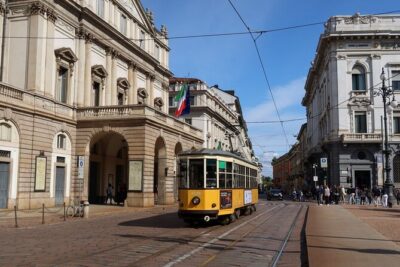
Milan’s Must See: Half-Day Tour of Last Supper, Duomo & La Scala
Read our review →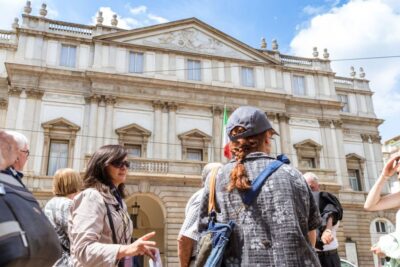
La Scala Theater and Museum Tour with Entry Tickets
Read our review →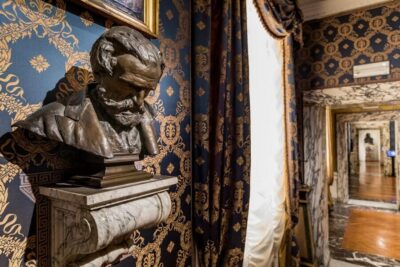
La Scala Theatre and Museum guided experience
Read our review →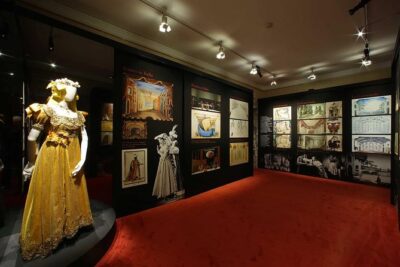
La Scala Theatre and Museum Tour in Milan With Private Guide
Read our review →Browse the lists this tour appears in