
Reviewed · MILAN TO ST MORITZ DAY TRIPS
Milan: Bernina and Glacier Train Tickets & Sankt Moritz Tour
Two red train days in one alpine rush. This trip strings together St. Moritz and two of the most famous mountain railways on earth, the Bernina line and the Glacier line, with a guided flow that keeps you from getting stuck figuring out connections.
I love the built-in pause in St. Moritz, a proper resort town in the Engadin Valley, where you get time to wander and breathe before the rails start climbing. I also love the chance to see major engineering moments up close, especially the Landwasser Viaduct as the train curves through gorge country.
One thing to consider is the long day on a coach. The train is the star, but you spend real hours on the road, and that can feel long if you prefer a tighter, point-to-point schedule.
In This Review
- Key highlights you should clock before you go
- St. Moritz in the Engadin Valley: your alpine break from Milan
- Bernina Red train: what the views feel like as the day climbs
- Albula Railway and the Landwasser Viaduct: engineering you can actually see
- Bergün, Preda, and the descent toward Chur or Thusis
- Timing, meeting points, and how the long coach day works
- Value for money: two UNESCO railway segments plus guided ease
- Who this tour suits best, and who should think twice
- Should you book this tour?
- FAQ
- How long is the Milan to St. Moritz and train tour?
- What languages is the live tour guide available in?
- Is there free time in St. Moritz?
- Will I ride the Bernina Red train?
- Does the route include the Landwasser Viaduct?
- Where do we end the tour, and how do we get back to Milan?
Key highlights you should clock before you go
- St. Moritz time on your terms, about two hours in town
- Bernina Red train views, famous Swiss mountain scenery from inside the train
- Landwasser Viaduct panoramas, the gorge crossing that grabs your attention immediately
- Albula Railway UNESCO route, linked into the broader Glacier-line experience
- Bergün and Preda stops, including the highest point on the line for maximum bragging rights
- Drop-off in Chur or Thusis, then coach back to Milan
Swiss peaks, reachable before lunch
- Bernina Red Train, Swiss Alps & St Moritz From Milan★ 5.0 · 2,954 reviews
- Swiss Alps Bernina Red Train and St.Moritz Tour from Milan★ 4.5 · 2,369 reviews
- From Milan: St. Moritz and Panoramic Bernina Express Tour★ 4.6 · 1,723 reviews
- From Milan: Bernina Train, Swiss Alps & St. Moritz Day Trip★ 4.7 · 1,120 reviews
- From Milan: Bernina Train Guided Tour to St. Moritz★ 4.7 · 948 reviews
St. Moritz in the Engadin Valley: your alpine break from Milan
The day starts with a coach transfer from Milan to St. Moritz, typically around 3.5 hours each way. This is not a light, quick outing. It is a full-day move that swaps Italian city rhythm for alpine air, lakes, and peak-filled horizons.
St. Moritz is nicknamed the Top of the World, and even if you have heard that line before, the setting makes it make sense. You land in the Engadin Valley, where the town feels both polished and outdoorsy. You get about two hours of free time, enough to do simple pleasures well: grab a coffee, take an easy walk for views, and soak in the vibe of a resort town that has been built around winter sports and mountain travel for generations.
This is also where the day’s pacing works. You are not thrown straight onto a train with your head still in Milan mode. You get a breather first, so the rail segment feels like a payoff, not a scramble.
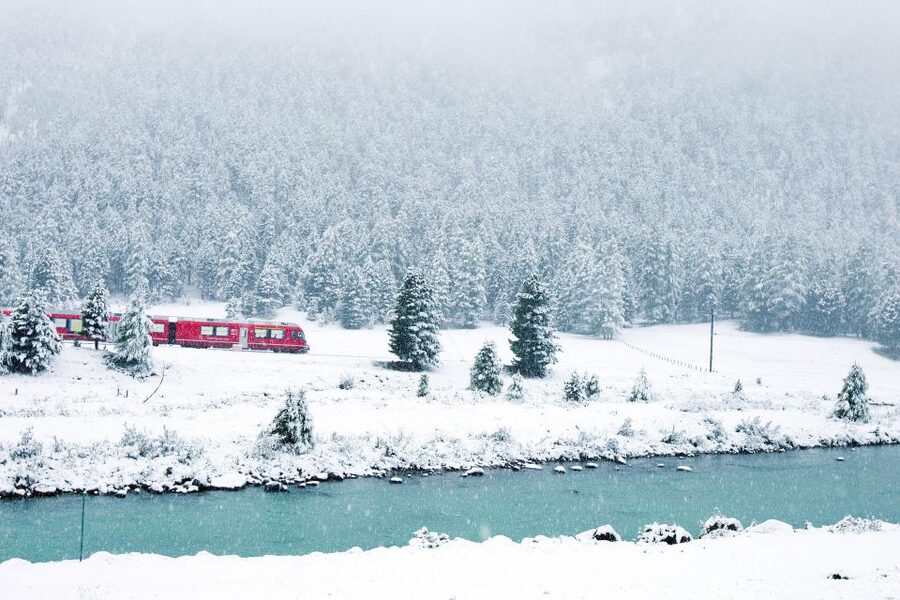
If you travel in colder months, you might get scenic stops on the way, including photo moments with frozen lakes. Even when you do not get a perfect snow scene, you still usually get that “wow, we are really up here” shift in atmosphere before the trains start.
Bernina Red train: what the views feel like as the day climbs
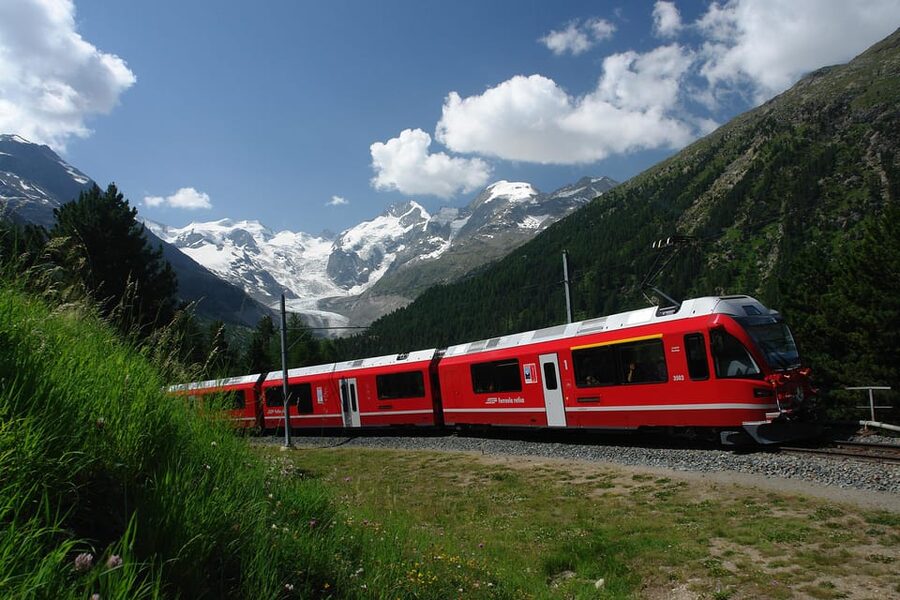
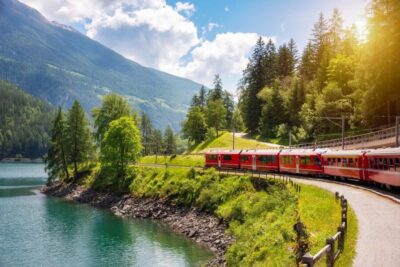
Once you are in motion, the Bernina Red train is the headline. The whole point is riding the legendary route with views that change by the minute: mountain faces, valleys, rivers, and that classic Swiss feeling of tidy, serious engineering sitting in spectacular places.
What I like about this part of the plan is that it is not just about seeing a landmark. You are riding a functioning railway line with a route built to take advantage of the terrain. You see the Alps as a sequence, not a single postcard. That matters, because a mountain railway can either feel like a one-time “good photo” moment or like a sustained experience. The Bernina line is the sustained kind.
In practice, this means you spend your time looking out the window and watching how the train handles elevation and curves. It is the kind of travel where you forget to check the clock, because there is always something different in frame: bridges, slopes, clustered villages, and wide open stretches where the peaks do the talking.
You also get a guided element through the day, with a live tour guide speaking English and Spanish. That is handy because it helps you understand what you are looking at while you are looking at it, instead of playing guess-the-view after the fact.
Albula Railway and the Landwasser Viaduct: engineering you can actually see
After St. Moritz, the itinerary leans into the broader UNESCO railway story, pairing the Bernina line with the Albula line segment that feeds into the Glacier line experience. This is where the trip becomes more than scenic travel. You get to watch railway engineering solve real terrain problems in real time.
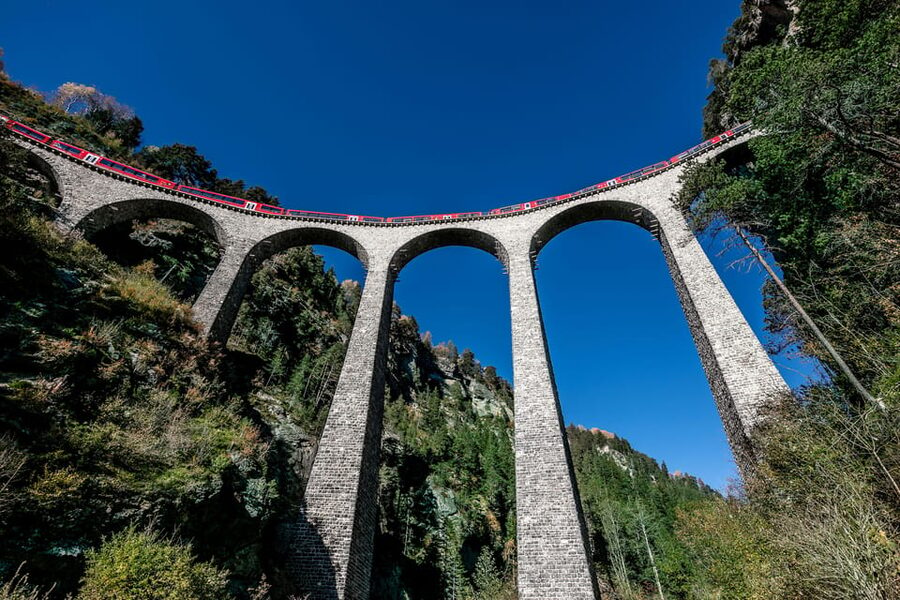
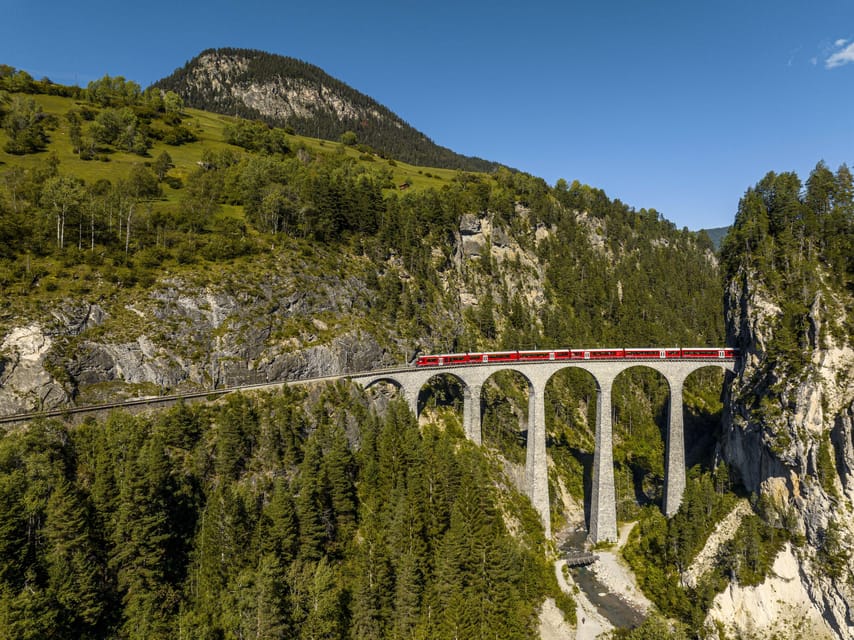
The star moment here is the Landwasser Viaduct. This is the gorge crossing where the tracks curve and the structure sweeps across a deep drop. From the train, it does not feel like a static monument. It feels like a live maneuver, with the view sliding into place as the train approaches and then moves along the viaduct.
The most practical way to think about this: you want to be ready with your camera, but you also want to look with your eyes first. The viaduct works because it is both dramatic and precise. If you spend the whole moment fumbling with settings, you will miss the feeling of scale.
You also travel through gorge country and mountain terrain, with the route passing through places like Bergün along the way. That matters because a scenic railway is not just about one peak. It is about the rhythm of the valleys, the crossings, and the small settlements that the line connects.
On this tour, you also get a strong dose of that UNESCO rail-route context, meaning the views are paired with a sense of why the route matters. Even if you are not a rail nerd, you can still appreciate how the design fits the mountains instead of forcing the mountains to behave.
Fast trains, further-flung days
- Small-Group Lake Como & Lugano by Swiss Train + Boat Cruise
★ 5.0 · 1,084 reviews - From Milan: St Moritz & Alps Day Trip with Bernina Red Train
★ 4.6 · 851 reviews - Intimate Small-Group Bernina UNESCO Scenic Train on Swiss Alps
★ 5.0 · 619 reviews
Bergün, Preda, and the descent toward Chur or Thusis
A big reason people love the Bernina and Albula together is that the route builds up. You rise, you crest, and you then watch the Alps change mood as the train starts dropping toward lower valleys.
Part of that story includes Bergün, known for traditional Swiss architecture and an alpine setting. If you like villages that look like they were designed for postcards, this is the part of the day that makes that obsession feel justified.
Then you reach Preda, described as the highest point on the line. This is where the day’s “up in the mountains” feeling peaks. You get a sense of altitude without needing to hike for it.
After that, the train begins a scenic descent toward Chur, with the day’s end landing in Chur or Thusis. You also get a short break, around 15 minutes, which is not much time, but it is enough to stretch and reset before the coach returns to Milan.
One small caution: if your heart is set on seeing a specific town first, note that the day’s flow can feel different depending on timing. Some people have had frustrations when the order did not match their expectations. The good news is that the rail experience itself is the constant here, with the viaduct and mountain sections being the core moments.
Timing, meeting points, and how the long coach day works
This trip runs about 12 to 13 hours. That sounds simple on paper until you remember it is basically a full day structured around one big alpine reason: two legendary train segments.
Pick-up in Milan can vary by option, with meeting points including the Zani Viaggi locations and the Milan Visitor Center on LakeComo. Drop-offs in Milan also vary, so make sure you know which exact point you are assigned before you show up.
How does the long day feel? Mostly like this: the coach gets you there, the town stop resets you, the trains deliver the main event, and then the return coach brings you back to your normal pace.
Two practical tips can make the coach part easier:
- Bring a layer. Mountain weather can flip even when the valley towns look calm.
- Keep something small to do, because you will have long stretches with nothing to look at except road and occasional scenery.
Also, here is a useful idea if you like total control. One sensible takeaway from people who care about smooth logistics is that going straight to the train station can be less tedious than arriving via coach. If you are already in the area and can manage it, starting at the station may feel tighter. But if you want a guided, low-stress day from Milan, the coach format is exactly what you are paying for.
Finally, the guide’s language support is a real plus: English and Spanish. It helps you follow along and make sense of the route while you are on it.
Value for money: two UNESCO railway segments plus guided ease
I judge value on two things: how much work you save, and how much quality you actually get. This tour saves work because it bundles coach transfers, rail connections, and guided interpretation into one plan. You are not juggling timetables, figuring out which stations make sense, or trying to connect the dots between different mountain segments.
You also get a meaningful content combo. You are not just seeing one scenic rail line. You are experiencing the Bernina line and the Albula line on the broader Glacier-line story, including a signature viaduct crossing and an elevation crest at Preda. That is a lot of “big moments” for one day.
Is it worth it if you hate long days? Maybe not. If you are the type who wants everything short and direct, you might find the overall timing heavy. But if you like full-day experiences and you care more about the rail story than about pacing, this is a strong deal in terms of concentrated sightseeing.
And the team quality can matter. One pair of names that comes up positively is guide Angelo and driver Marcello, praised for keeping the day running well and making the group feel cared for. You cannot count on the same staff for every departure, but it is a good signal that the provider treats the ride as a real experience, not just a ticket drop-off.
Who this tour suits best, and who should think twice
This is a great match for:
- People who want classic Swiss rail views without self-planning
- Travelers who like getting a big engineering moment, not just a town visit
- Couples, friends, and solo travelers who can handle a long day and want one unforgettable rail-focused outing
You might think twice if:
- You are very sensitive to coach time and long stretches of sitting
- You have a strict checklist for where you want to go first, because the day’s flow can feel different for different departures
- You prefer a fully independent rail schedule where you control every minute
This tour sits in the sweet spot for most people doing Switzerland for the first time, especially if your time is limited and you want to maximize mountain railway time in one go.
Should you book this tour?
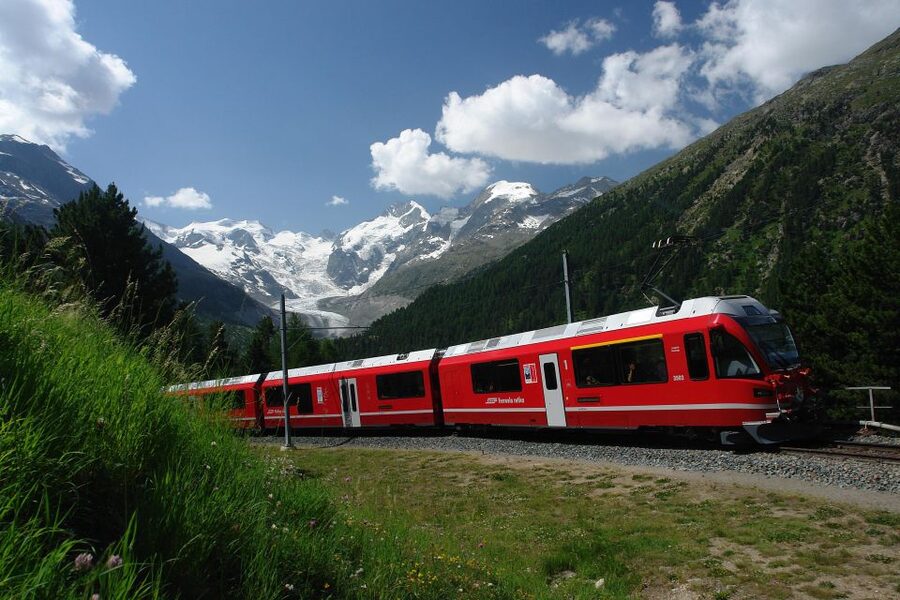
Book it if your priority is a single, guided day that combines St. Moritz plus the Bernina Red train and the Landwasser Viaduct experience on the UNESCO rail route. It is the kind of trip that gives you multiple “stop-and-stare” moments without requiring you to do extra planning.
Skip it or plan differently if you know you cannot handle a long coach day, or if your main goal is only one town and one very specific order. In that case, you may prefer a more direct rail plan or a shorter, station-based approach.
If you do book, pack for cool mountain weather, be ready for a full 12 to 13 hours, and treat this as a rail day first. The trains are why you are here, and everything else is built to set you up for those mountain views.
FAQ
How long is the Milan to St. Moritz and train tour?
It runs about 12 to 13 hours total. The exact schedule depends on the starting time available.
What languages is the live tour guide available in?
The guide provides live commentary in English and Spanish.
Is there free time in St. Moritz?
Yes. You get about two hours of free time in St. Moritz.
Will I ride the Bernina Red train?
Yes. The plan includes riding the Bernina Red train.
Does the route include the Landwasser Viaduct?
Yes. The itinerary includes a panoramic train ride connected to the Landwasser Viaduct.
Where do we end the tour, and how do we get back to Milan?
The day concludes in Chur or Thusis, and then you take a coach back to Milan. Drop-off locations in Milan vary by the option you choose.
Newly Listed

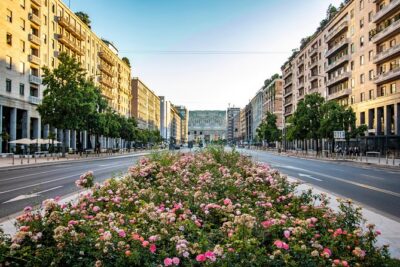
Milan to St Moritz Day Trips, compared.
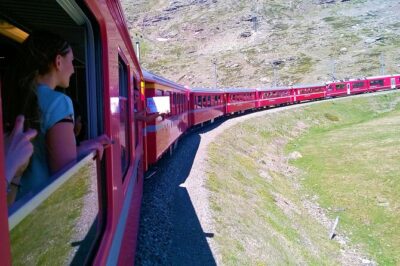
Bernina Red Train, Swiss Alps & St Moritz From Milan
Read our review →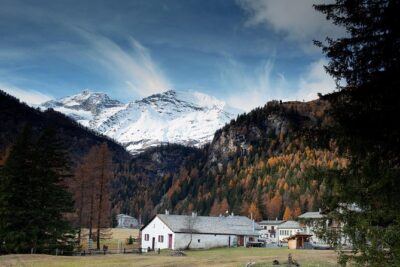
Swiss Alps Bernina Red Train and St.Moritz Tour from Milan
Read our review →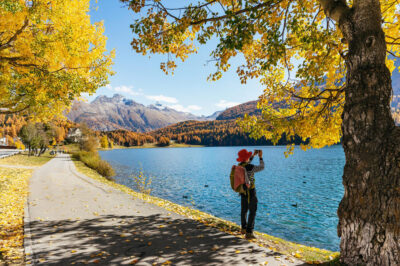
St. Moritz and Panoramic Bernina Express Tour
Read our review →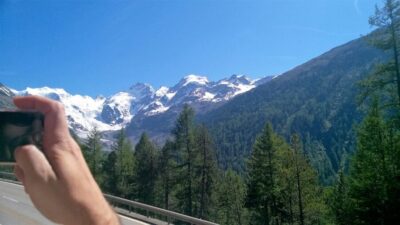
Bernina Train, Swiss Alps & St. Moritz Day Trip
Read our review →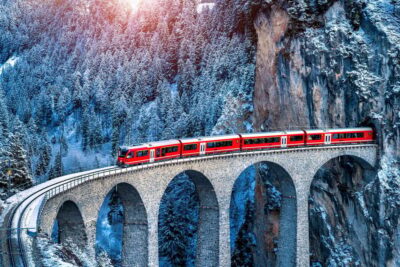
St Moritz & Alps Day Trip with Bernina Red Train
Read our review →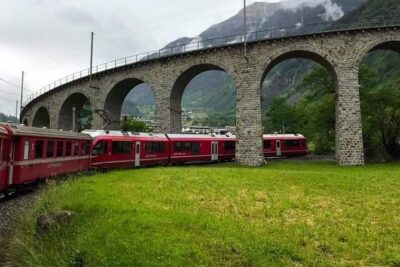
Intimate Small-Group Bernina UNESCO Scenic Train on Swiss Alps
Read our review →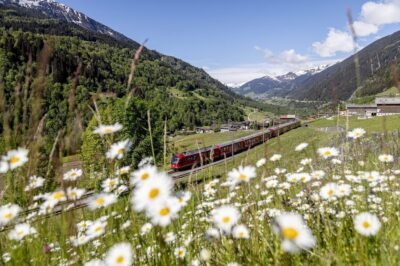
Browse the lists this tour appears in