
Reviewed · HOP-ON HOP-OFF BUS TICKETS
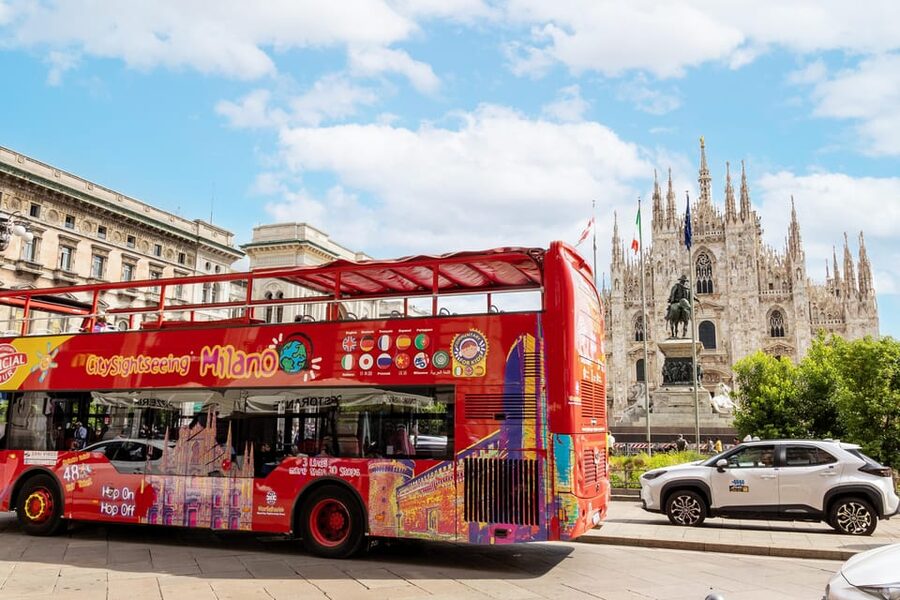
Milan: City Sightseeing Hop-On Hop-Off Bus with Audio Guide
Milan looks best from above, and this bus gets you there. This open-top hop-on hop-off pass lets you stitch together 4 connecting loops at your own pace, with lively audio commentary as the city rolls by. You’ll cover major sights like the Duomo area, Castello Sforzesco, and the neighborhoods people actually wander through.
I especially like the multilingual audio guide, which includes 10 languages plus a children’s audio track, so you can travel without constantly reading your phone. I also like the practical setup: Wi-Fi onboard, a city tour map, and lots of designated stops so you can bail out when something catches your eye.
The one drawback is simple: Milan traffic can slow the ride, and transfers can get crowded. If audio equipment has a dead spot at your seat, you may need to swap headphones or move a little to find it.
In This Review
- Key highlights at a glance
- Why This Milan Hop-On Hop-Off Pass Works So Well for Short Visits
- Getting On the Right Bus: Where Foro Bonaparte and Piazza Duomo Fit In
- Audio Guide, Wi-Fi, and the Comfort Stuff You’ll Actually Notice
- Line A: Castello, Cenacolo, and the Duomo Core That Makes Milan Click
- Line B: Repubblica, Palazzo Lombardia, and Central Station Areas for Big-City Convenience
- Line C: City Life and San Siro for Sports Fans and Modern Milan Views
- Line D: Navigli Canals and Brera Arts Area, a Smart Mix for Evening Energy
- Timing, Transfers, and Milan Traffic: What to Expect in Real Life
- What to Hop Off For, and How to Plan Around Ticketed Attractions
- Seasonal Perks and Winter Olympic Disruptions You Should Check
- Should You Book This Milan Hop-On Hop-Off Bus?
- FAQ
- How long is the Milan hop-on hop-off bus pass valid?
- How much does it cost?
- Where is the first stop for Lines A, C, and D?
- Where is the first stop for Line B?
- What languages are available for the audio guide?
- Is Wi-Fi included on the bus?
- What else is included besides the bus?
- Are attraction tickets included?
- What is the cancellation policy?
Key highlights at a glance
- Four connected lines (A to D) help you cover more ground in fewer hours.
- Audio in 10 languages, plus a children’s commentary track, keeps everyone engaged.
- Frequent stops near big-name areas, from Castello to the Duomo zone, plus Navigli and Brera.
- Wi-Fi onboard and a city map make it easier to plan your next hop.
- Family-friendly extras, including the kids’ audio commentary.
- Some routes repeat sights, so you’ll want a plan for which line you do first.
One ticket, every major stop
- Milan: Gray Line Milan Open Tour Hop-On Hop-Off Bus Tour★ 4.0 · 1,549 reviews
- Milan Hop-On Hop-Off Bus Tour with Four Routes★ 3.5 · 1,214 reviews
- Milan: Duomo & Rooftop Tour with Optional Hop-On Hop-Off Bus★ 4.5 · 262 reviews
- Skip-the-Line Duomo & La Scala Museum Tour + Hop On Hop Off★ 4.3 · 189 reviews
- Milan: Skip-the-Line Duomo Guided Tour & Hop-on Hop-off Bus★ 4.6 · 113 reviews
Why This Milan Hop-On Hop-Off Pass Works So Well for Short Visits
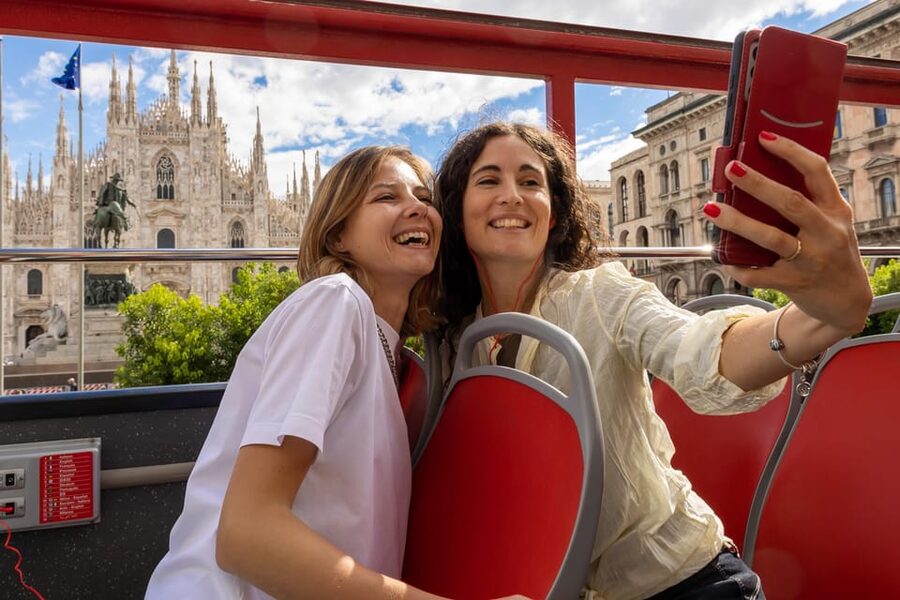
Milan is famous for fashion, art, and big architectural drama. The catch is you can spend too much of your day figuring out transit, crossing busy streets, and fighting traffic lights. This bus pass is built to solve that problem in the most Milan way possible, by giving you an easy view and an easy choice.
You get access to 4 separate but connecting bus loops, valid for 1 to 3 days, so you can do a “light” version if you’re in a hurry or a “full coverage” version if Milan is your main event. At around $26 per person, it’s often the kind of purchase that buys you time. Not every stop is walkable from your hotel, and not every museum is worth a long detour. The bus helps you avoid wasted steps.
The other big win is what the audio actually covers. It doesn’t just name-check monuments. It includes facts about landmarks like the Opera House and Castello Sforzesco, plus local food topics such as Cotoletta alla Milanese and the history of panettone. That makes the ride feel like education, not like background noise.
Getting On the Right Bus: Where Foro Bonaparte and Piazza Duomo Fit In
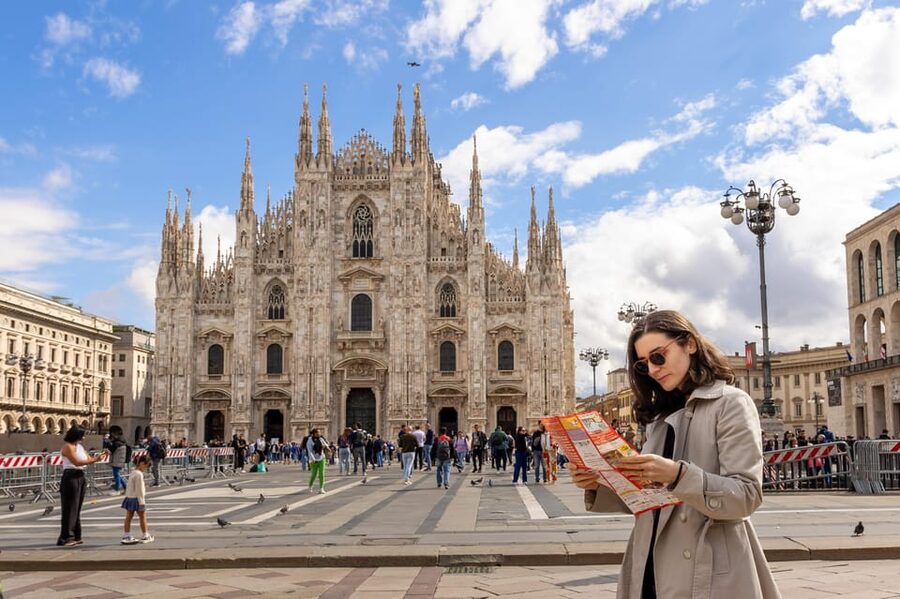
Boarding is straightforward once you know where the first stop is for your line. For Lines A, C, and D, the first stop is Foro Bonaparte. For Line B, the first stop is Piazza Duomo.
The detail that matters: Foro Bonaparte is large, and it can be confusing if you’re relying on a photo posted online. A smart move is to arrive with a few extra minutes and ask a staff member or use the travel information point as your anchor. In the Duomo area, the good news is you’ll find people, signs, and activity. The bad news is it can be hectic, so arriving early helps.
Also note: the host or greeter is listed as Italian, English, and Spanish. That language mix is useful if you want quick help finding the right side of a big hub.
Audio Guide, Wi-Fi, and the Comfort Stuff You’ll Actually Notice
This pass comes with a multilingual audio guide. Audio is offered in Spanish, Chinese, English, French, German, Italian, Russian, Portuguese, Japanese, and Arabic. There is also a special audio commentary for children. If you’re traveling with kids, that extra layer can turn the ride from “how much longer?” into something they actually look forward to.
On top of the audio, you get Wi-Fi onboard and a city tour map. The Wi-Fi is helpful for practical stuff, like checking your next stop and looking up ticket needs for sights you want to enter.
One practical consideration: audio equipment can be finicky. Some people report issues with speakers or audio plugs not working at certain seats. If that happens, don’t panic. Try switching seats or asking staff for assistance, because the problem might be limited to a row rather than the whole bus.
Other ways to fill a Milan itinerary
- Milan: Sforza Castle Entry Ticket with Digital Audio Guide
★ 4.0 · 2,675 reviews - Milan: Museum of the 900 Entry Ticket with Audio Guide
★ 4.4 · 72 reviews - Milan: Natural History Museum Entry Ticket & Audio Guide
★ 4.2 · 25 reviews
Line A: Castello, Cenacolo, and the Duomo Core That Makes Milan Click
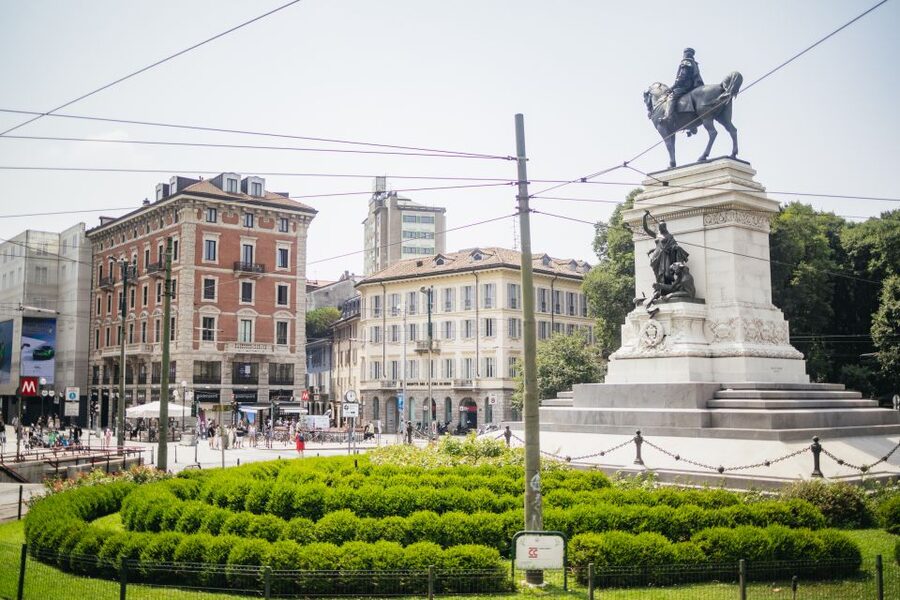
If you want Milan to feel coherent fast, start with Line A. It runs through a classic sequence of landmarks that anchor the city’s “old Milan” feel.
Stops include:
- Castello
- Cadorna
- Cenacolo
- Corso Magenta
- Duomo
- Monte Napoleone
- Manin
- Moscova
Here’s why this line is such a strong first choice. The audio focuses on major cultural landmarks as you pass them, and the stop order naturally threads you from the historic center outward and back again. Castello is the headliner. Cenacolo puts you in the zone associated with one of Milan’s most famous art experiences. Then you hit Duomo, which is the visual center of gravity for most visitors.
When you reach Duomo, you’re also in the best position to decide what you want to do next on foot. The bus doesn’t replace walking, but it helps you arrive in the right mood and the right area. After that, Monte Napoleone is a good “window-shopping reality check” stop. It’s where Milan’s fashion energy becomes obvious even if you’re not buying anything.
Line B: Repubblica, Palazzo Lombardia, and Central Station Areas for Big-City Convenience
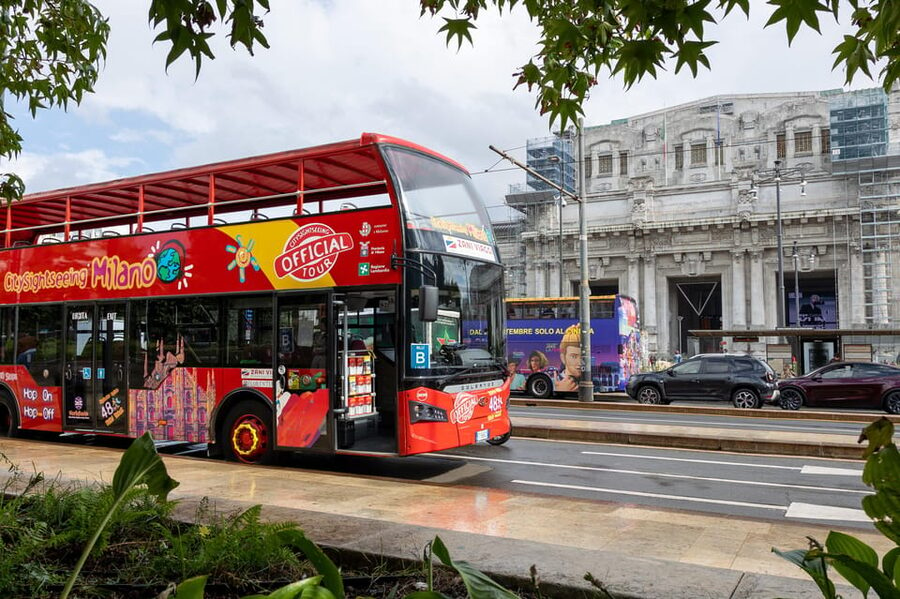
Line B is a great option if you like mixing classic sights with modern Milan and you don’t want to get stuck only in the old-center bubble.
Stops include:
- Duomo
- Monte Napoleone
- Manin
- Repubblica
- Palazzo Lombardia
- Stazione Centrale
- Buenos Aires
- Porta Venezia
- San Babila
This line shines for logistics. Stazione Centrale is a major hub, so if your plans include day trips or you’re using rail to move around, hopping on Line B can simplify your day. Repubblica and San Babila are handy for wandering and transit connections, and the stops help you reach areas that don’t always feel obvious if you’re navigating only by foot.
The audio commentary keeps things lively, and because the route goes through both landmark zones and functional neighborhoods, it’s easier to get a sense of how the city actually works day to day.
If you do only one line and your timing is tight, you can still get plenty out of Line B. But if you want maximum sightseeing density, many people find they prefer combining it with Line A or Line D.
Line C: City Life and San Siro for Sports Fans and Modern Milan Views
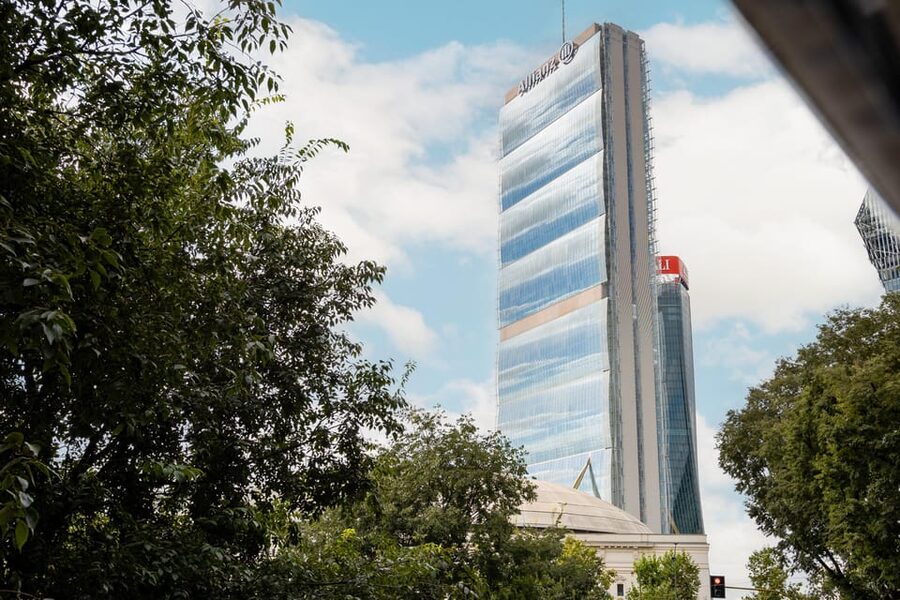
If your Milan list includes San Siro, or you want modern architecture and big-scale districts, Line C is your route.
Stops include:
- Castello
- Triennale
- Arco della Pace
- City Life
- Casa Milan
- Mico – Congress Centre
- Lotto – Montebianco
- Lido
- Ippodromo
- Stadio San Siro
- Lotto – Monterosa
- Buonarroti
- Pagano
- Conciliazione
- Parco Sempione
Line C is a longer, more outward loop. That’s not a bad thing. It means you see Milan beyond the classic postcards. Arco della Pace and Parco Sempione give you open-air viewpoints, while City Life and Casa Milan deliver a very different city vibe than the medieval streets.
The trade-off is time. Some seats will feel like you’re riding rather than hopping. If you’re the type who hates long stretches on a bus, plan to get off at least once at a major “anchor stop,” then walk the area for 30 to 90 minutes, and re-board.
Also, if you’re hoping to photograph San Siro, treat the bus as your approach, not your entire plan. You’ll want to build in time for how long you’ll actually want to linger before you catch the next ride.
Line D: Navigli Canals and Brera Arts Area, a Smart Mix for Evening Energy
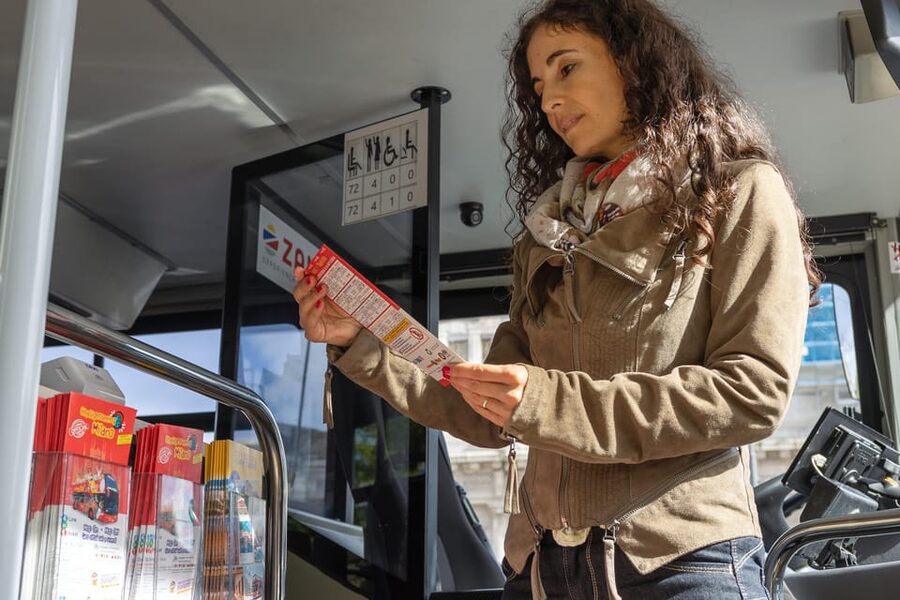
Line D is the best match for people who want Milan to feel romantic and creative, not just monumental. It includes the Navigli canal area and the artsy Brera neighborhood in one connected circuit.
Stops include:
- Castello
- Cadorna
- Cenacolo
- Navigli
- Piazza XXIV Maggio
- Duomo
- Monte Napoleone
- Brera
This line is a strong “two-zone day” route. You can start toward the historic center and then swing down to Navigli, where the vibe is more relaxed and evening-friendly. Piazza XXIV Maggio helps you reach the canal area without needing to memorize every side street.
Then there’s Brera. Even if you don’t plan a museum visit, getting off near Brera is a way to experience Milan as people actually live it: small streets, art atmosphere, and a lot of wandering.
If you’re short on time, Line D is a good choice because it pairs big sights with a neighborhood stop that’s worth extending.
Timing, Transfers, and Milan Traffic: What to Expect in Real Life
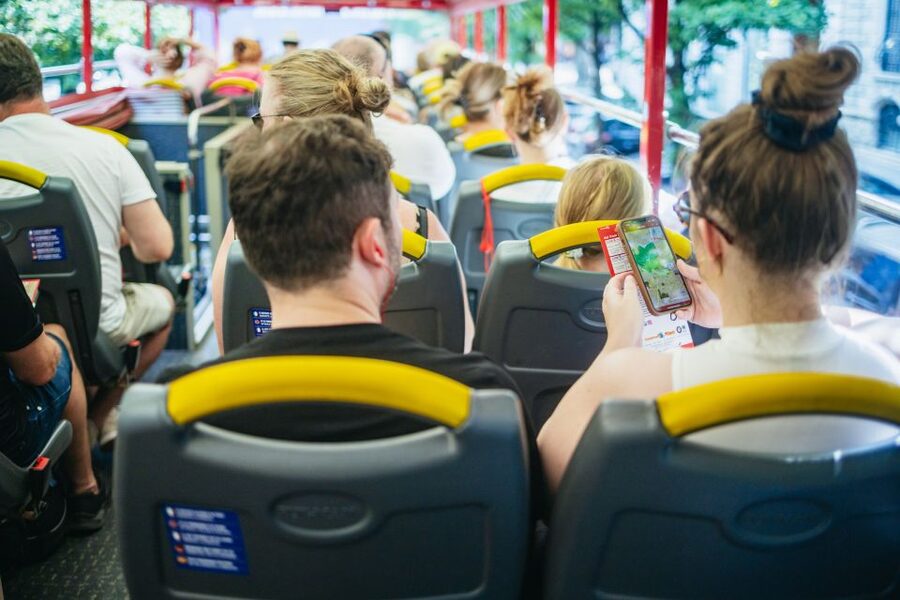
This is one of those experiences where timing matters more than you’d think. Milan’s traffic can be chaotic, and bus delays happen. Some people also note that transfers onto another line can be crowded. In other words, if you’re moving between loops, don’t treat the transfer like an airport shuttle.
A practical tip: when you transfer, assume you might need a little patience. If one bus is packed, wait for the next one instead of squeezing yourself into misery. You’ll enjoy the audio and the views more, and you’ll probably move faster overall.
People also report that the gap between buses can feel long, including around 50 minutes at times. So, if you’re trying to time a specific moment on a specific street, build in a buffer. If you miss a bus, the day isn’t ruined, but you don’t want your whole itinerary hanging on one exact arrival.
Finally, be aware that some of the circuits can overlap in what they show. That’s normal for a city bus system, but it means you should pick your order of operations. Do the line that matches your main priorities first, then use the others to fill gaps.
What to Hop Off For, and How to Plan Around Ticketed Attractions
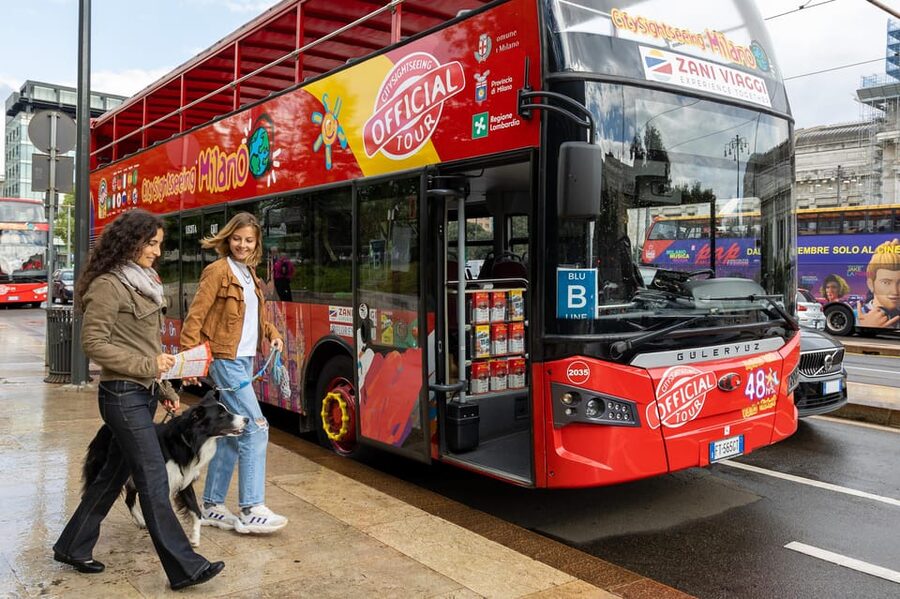
The bus gets you close to the action, but it doesn’t include entry into paid attractions. That’s stated clearly: attraction tickets are not included. So you’ll want to treat the bus as your positioning tool, not your ticket substitute.
The audio helps you decide what to prioritize. It covers major building stories such as Castello Sforzesco and the Opera House. It also brings in food and cultural context, like Cotoletta alla Milanese and the history of panettone. That matters because when you finally get off and walk, you’re not staring at random facades. You’re seeing context.
A good strategy is simple. Ride, hop off when something looks perfect for walking, then plan one ticketed stop per half day. If you try to do five big ticket things, you’ll spend more time in lines and scheduling than enjoying the neighborhoods.
Seasonal Perks and Winter Olympic Disruptions You Should Check
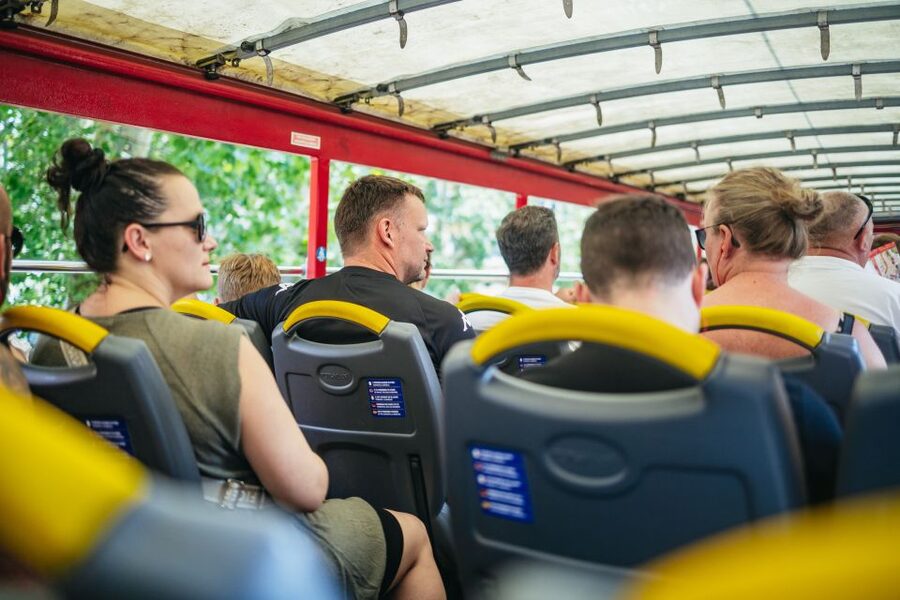
Two time-related notes are worth flagging before you go.
First, if you purchase the 72-hour weekend rate valid for Saturday and Sunday during June to September, the ticket for the Milan Night Tour is included. If a night tour is on your wishlist, that combo can improve the value of the pass.
Second, there are expected disruptions tied to the Winter Olympic Games. The info specifically notes that the Green Line stop number 2 may be closed during the games. It also notes that on Saturday, February 21, the Castello stop may be suspended. If your dates fall near those windows, it’s worth double-checking the active routes and stop status before you build your day around a particular hop.
Should You Book This Milan Hop-On Hop-Off Bus?
Book it if:
- You want an easy way to get oriented quickly, then choose what to do next.
- You’re on a short timeline and want to see Duomo, Castle area, and neighborhoods without walking nonstop.
- You’ll benefit from audio in your language, including kids’ commentary.
- You like the freedom to hop off at major areas, then re-board when you’re done.
Skip or rethink it if:
- You hate any experience that depends on public-traffic timing and transfers.
- Your plan is mostly ticketed “must enter” attractions far from these corridors, because the bus won’t include entry.
- You want a completely unique route every hour. With four loops, there can still be some overlap in what you see.
My take: this is a solid value for first-time Milan planning because it blends panoramic viewing with real stop coverage, and it gives you a decision-making tool via audio. If you treat it as your mobility backbone and not your entire itinerary, it works.
FAQ
How long is the Milan hop-on hop-off bus pass valid?
The ticket options are listed as 1 to 3 days. You should check availability to see the starting times for your chosen duration.
How much does it cost?
The price is listed as $26 per person.
Where is the first stop for Lines A, C, and D?
For Lines A, C, and D, your first stop is at Foro Bonaparte.
Where is the first stop for Line B?
For Line B, your first stop is at Piazza Duomo.
What languages are available for the audio guide?
The audio guide is available in Spanish, Chinese, English, French, German, Italian, Russian, Portuguese, Japanese, and Arabic. There is also a special audio commentary for children.
Is Wi-Fi included on the bus?
Yes, Wi-Fi is included onboard.
What else is included besides the bus?
A city tour map is included, and there is a free walking tour available in the mobile app in 5 languages.
Are attraction tickets included?
No. Attraction tickets are not included.
What is the cancellation policy?
Free cancellation is offered up to 24 hours in advance for a full refund.
More Audio Tours in Milan
- Milano Walking Tour with Audio and Written Guide by a Local★ 4.5 · 13 reviews
- Milan: Sforza Castle Entry Ticket & Audio Guide★ 3.5 · 13 reviews
- Milan: Museum of the 900 Fast-Track Entry Ticket & Audio Guide★ 4.0 · 12 reviews
Newly Listed



Hop-On Hop-Off Bus Tickets, compared.

Gray Line Milan Open Tour Hop-On Hop-Off Bus Tour
Read our review →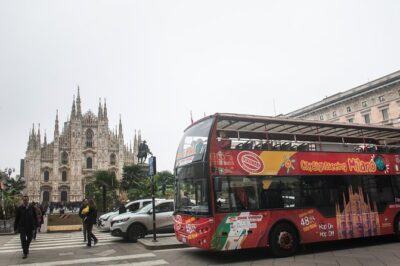
Milan Hop-On Hop-Off Bus Tour with Four Routes
Read our review →
Duomo & Rooftop Tour with Optional Hop-On Hop-Off Bus
Read our review →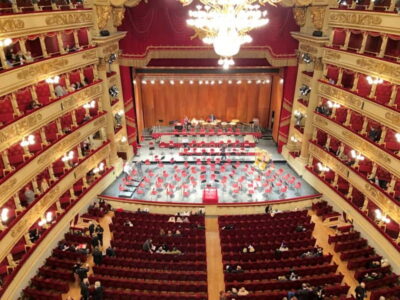
Skip-the-Line Duomo & La Scala Museum Tour + Hop On Hop Off
Read our review →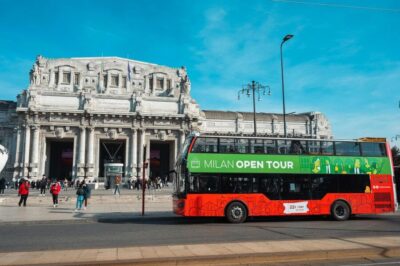
Skip-the-Line Duomo Guided Tour & Hop-on Hop-off Bus
Read our review →
Best of Milan: 3 Icons Tour in 40 Languages + Hop On Hop Off
Read our review →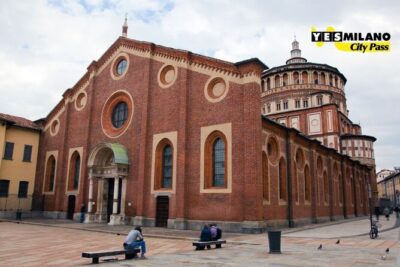
City Pass with 10+ Attractions and Hop-on Hop-off Bus Tour
Read our review →Browse the lists this tour appears in