
Reviewed · WALKING TOURS
Milan : Highlights & Hidden gems Private Walking Tour
Milan clicks faster when you have a local guide. This private 3-hour walk is built around Duomo, Galleria Vittorio Emanuele II, and Milan’s calmer church and castle moments, with room to shape what you see and ask. I like that it is not a rigid checklist, it is a route guided by your interests, so you can spend extra time where your questions actually land.
Two things I especially like: you get story-driven context that connects architecture to how Milan thinks about design, industry, and fashion, and you also get practical, on-the-ground suggestions for what to do after the tour. The downside to consider is language fit. One review mentioned trouble with a guide answering questions in French, so if language matters a lot to you, double-check your guide language before you go in.
In This Review
- Key highlights worth planning for
- Why this Milan walk works in just 3 hours
- Piazza dei Mercanti meeting point and the flow of the route
- Piazza del Duomo: orientation and real-world context from outside
- Galleria Vittorio Emanuele II: walking under a landmark you can use
- Brera District: local streets, art energy, and fewer tourist traps
- Basilica di San Simpliciano: a quieter church stop with strong payoff
- Castello Sforzesco: one landmark, multiple viewpoints in the courtyards
- What the $77 price really buys you
- Languages, private touring, and how to get more out of your guide
- Who should book this Milan Highlights and Hidden gems walking tour
- FAQ
- How long is the private walking tour?
- Where does the tour start and end?
- Is this tour private?
- Which sights are included?
- What languages are available?
- Are food and drinks included?
- Should you book this private Milan walking tour?
Key highlights worth planning for
- Private, exclusive time with a guide, so you can ask follow-up questions without sharing airspace
- Duomo square outside views plus a quick orientation so you understand what matters and why
- Galleria Vittorio Emanuele II as more than shopping, it is a historic architectural stop you can walk through
- Brera District time that shifts you away from the busiest streets and toward a more local rhythm
- San Simpliciano and Sforza Castle courtyards for a mix of spiritual and fortress energy
- Guide advice beyond the stops, including recommendations for cafes, squares, and what to do next
Other ways to fill a Milan itinerary
- Milan: Guided Walking Tour & Last Supper Visit with Ticket★ 4.7 · 5,409 reviews
- Milan: Guided Walking Tour with Last Supper Skip-the-Line★ 4.7 · 1,143 reviews
- Milan: Guided Street Food Walking Tour with Food Tasting★ 4.8 · 654 reviews
- Milan: Guided Walking Tour with Duomo and the Last Supper★ 4.7 · 615 reviews
- Milan: Best of City Walking Tour with Last Supper Tickets★ 4.7 · 359 reviews
Why this Milan walk works in just 3 hours
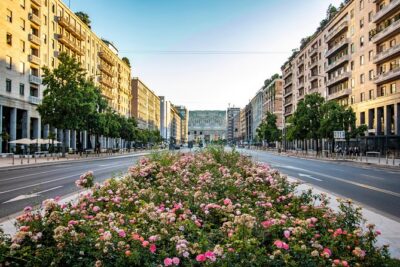
Milan is big, spread out, and full of visual noise. In 3 hours, this tour gives you a clean mental map without trying to swallow the whole city in one go.
The route focuses on a handful of high-impact places, then uses side streets and quieter stops to explain the city, not just photograph it. That is where the private format pays off: you can slow down when something catches your eye, instead of watching everyone else drift along.
Price is $77 per person for a private guide for this time window. That is not cheap compared to group tours, but it is strong value if you want direction, context, and flexibility, especially if you are traveling as a pair and splitting the cost.
Piazza dei Mercanti meeting point and the flow of the route
You start and finish at Piazza dei Mercanti, 1. That is useful because you do not end up stuck across town wondering how to get back, and you are close to the historic core while you walk.
The tour is a walking route that also uses public transport between stops when needed. For a city like Milan, that matters: you avoid turning the day into stair climbing and street crossing math.
This is designed to feel like a conversation. In guide-led Milan tours, the difference is not just information, it is how the guide reacts to your questions. Reviews mention guides like Davide and Rosaria telling stories along the way and answering questions about Milanese architecture, industry, and fashion, which is exactly the kind of momentum you want early in your trip.
Piazza del Duomo: orientation and real-world context from outside
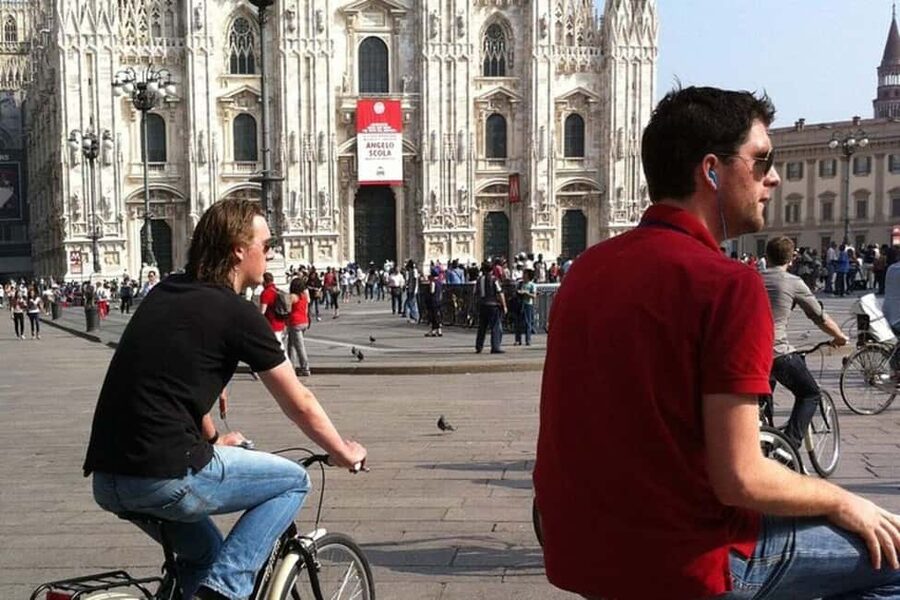
The tour begins at Piazza del Duomo, where you admire the Duomo cathedral from the outside. Even if you plan to visit inside later, this outside start helps you understand where you are standing and what the cathedral represents in the city.
From there, you get guided context that makes the building feel less like a postcard. You learn what to pay attention to as you look around the square, and you get a sense of Milan’s civic pride built into the stone.
A practical tip: treat the first 20 to 30 minutes as your visual warm-up. Take a moment to look up, then around. If you are the type who likes details, ask your guide what specific features people usually miss while they are hunting for the perfect angle.
The Duomo is the start of the story, not the whole of it.
- Milan: Cathedral and Duomo’s Terraces Entrance Ticket
★ 4.6 · 61,054 reviews - Milan: City Sightseeing Hop-On Hop-Off Bus with Audio Guide
★ 4.0 · 6,256 reviews - Milan: Milan Cathedral Direct Entrance – Terrace Excluded
★ 4.5 · 5,782 reviews
Galleria Vittorio Emanuele II: walking under a landmark you can use
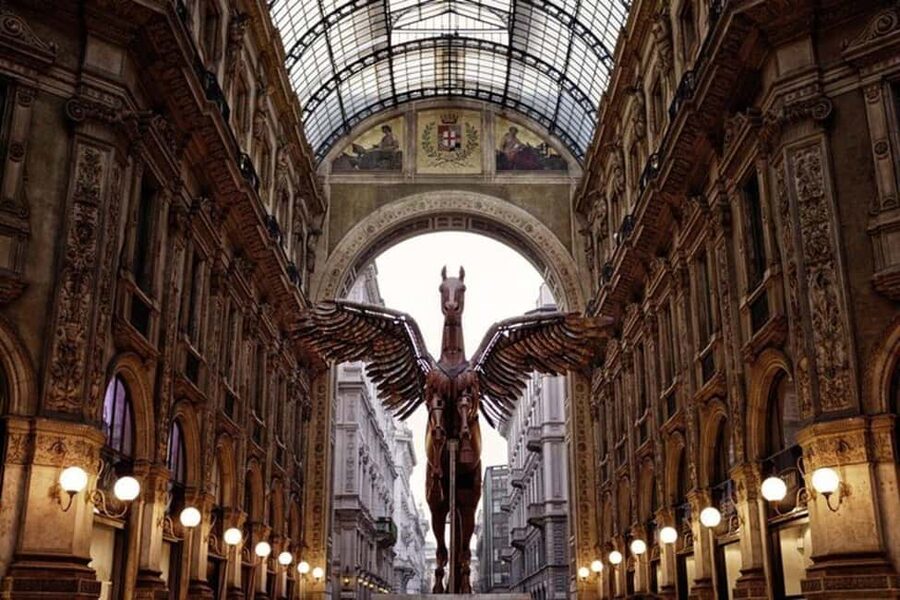
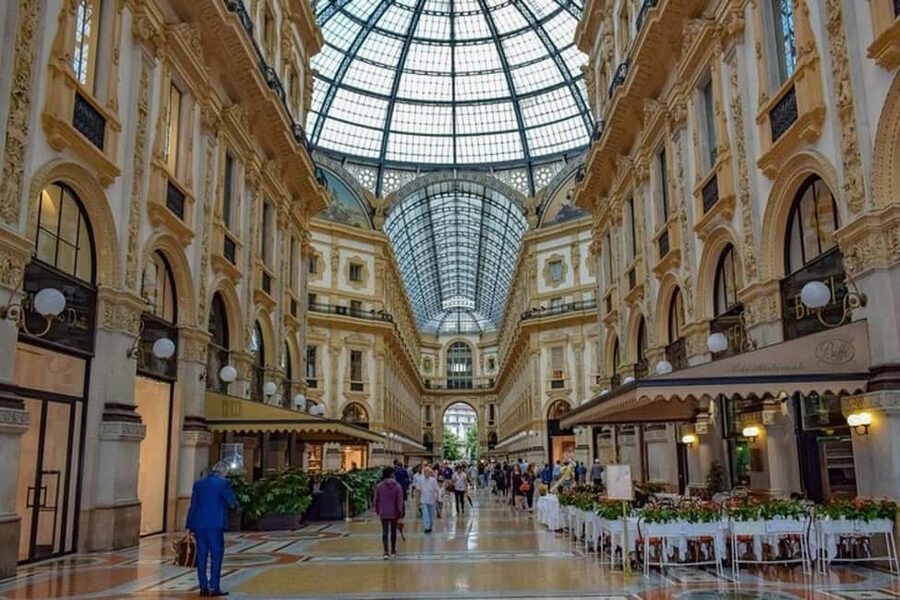
Next comes the Galleria Vittorio Emanuele II, a historic shopping arcade you tour on foot inside. This is not just a pretty corridor, it is a major Milan landmark that shows how the city built for public life.
The best part about walking the Galleria during a guided tour is that you are moving through the space while it is explained. You get architecture and design context while you can actually see it, which is more satisfying than reading about it later.
One reason I like including this stop early is that it gives you a break from open-air exposure. It also breaks up the day with an indoor walking rhythm, so your feet and patience get a chance to reset.
If you are photo-focused, expect crowds at peak times. Plan to keep your camera down for a few minutes while your guide is talking, then do your shots once you know what you are looking for.
Brera District: local streets, art energy, and fewer tourist traps
After the headline sights, you shift to the Brera District. This part of the tour is valuable because it is where Milan starts to feel like a place you could actually live in, not just a list of monuments.
Brera is known for its artistic heritage and a lively atmosphere, and the tour’s aim is to show you the district without getting stuck in the most crowded lanes. You get a local lens that helps you notice small details like how streets connect, where people gather, and how the neighborhood’s character shows up in everyday life.
Reviews also highlight that guides like Davide and Rosaria point guests toward special squares and cafes. That is the kind of advice you can use right away when you want dinner or a quick espresso after the tour, without guessing.
A small drawback to keep in mind: this is still Milan, and Brera can be busy. If you are sensitive to crowds, ask your guide to guide you through the quieter side streets during the walk, since the tour is customizable.
Basilica di San Simpliciano: a quieter church stop with strong payoff
Then you visit the Basilica di San Simpliciano, presented as Milan’s most important church with history dating back centuries. This stop gives your tour a different flavor from the commercial and civic sights, and it adds depth without adding complexity.
What makes this kind of church visit work on a short tour is pacing. You are not stuck for hours inside. Instead, you get guided explanation while you see the church as a living landmark in the city.
Also, churches in Milan often reward slower looking. If you enjoy symbolism, ask your guide what features you should pay attention to as you move through the space. Even if you do not catch everything, you will leave with a clearer sense of how religion shaped public life here.
If you have mobility needs, it’s worth noting the tour is listed as wheelchair accessible. The exact walking surfaces and steps can vary by route, but having accessibility built into the tour planning is a helpful signal.
Castello Sforzesco: one landmark, multiple viewpoints in the courtyards
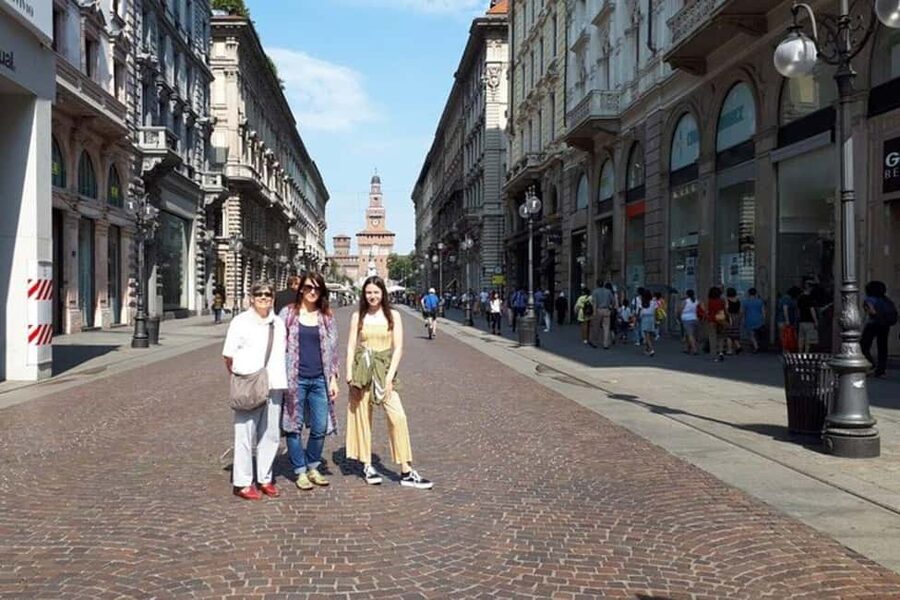
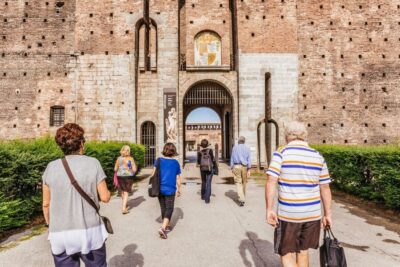
Finally, the tour heads to Castello Sforzesco, one of Milan’s iconic landmarks. You wander the main courtyards, which is a smart choice for a 3-hour experience, because you get castle atmosphere without trying to do every museum room.
This is also a great moment to regroup your understanding of Milan. Earlier you saw the civic identity of the Duomo square and the design identity of the Galleria. At Sforza, you see the city’s historical power made stone and space.
Courtyards are perfect for photographs because you can step back and frame the view. They are also where you get natural pauses for your guide to point out what you should remember from earlier, like how the city’s architecture has consistent themes even across wildly different buildings.
A practical consideration: the courtyards can feel busy in tourist season. If crowds get thick, your guide can usually help you time your viewing and angle your photos.
What the $77 price really buys you
At $77 per person for a private 3-hour walk, the value depends on how you travel. If you prefer to wander and figure things out yourself, a self-guided plan can be cheaper. But if you want someone to connect the dots fast, a private guide is often the better deal.
The tour includes a private and exclusive format, meaning you are not mixing with strangers. That matters because Milan is a walking city. With a small group, you can move at a pace that works for you, and you can ask questions without the pressure of a crowd.
It is also customizable. That is not just marketing language, it is practical. If you care about fashion, architecture, or how Milan evolved, you can steer the conversation, instead of being forced through the same script every time.
Two additional value boosters are transportation and planning support. The tour includes walking and public transport between stops, and the team can help book tickets for the visits you want. Since ticket needs can change day to day, having help reduces friction.
One thing not included is food or drinks. That is normal for a walking tour, but it means you should bring a water bottle or plan to grab something after the tour. If you tend to get hungry, I suggest eating something light before you start so your energy stays up.
Languages, private touring, and how to get more out of your guide
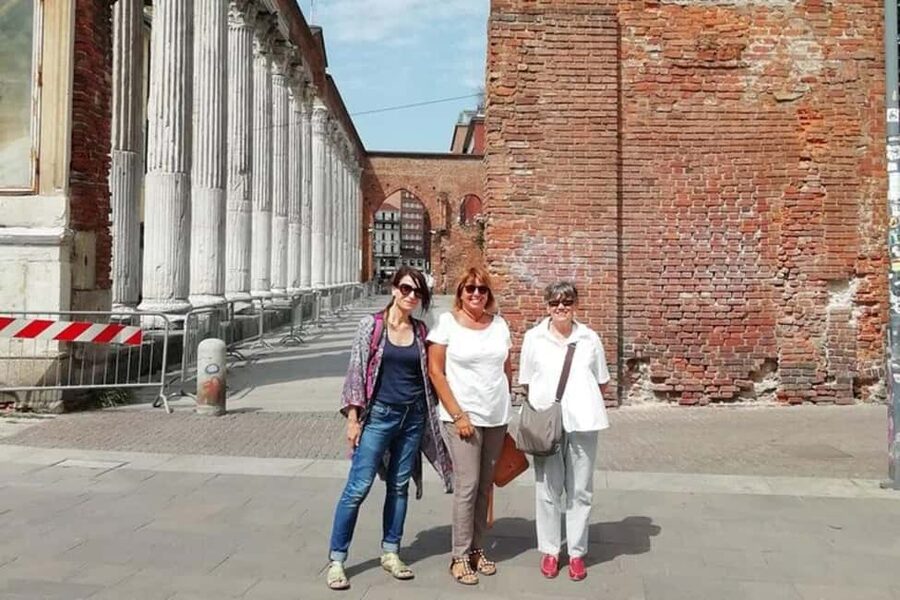
The tour guide is available in English, French, Spanish, and Italian. Reviews mention English and French-speaking experiences, including a guide named Davide, so you should have options if you want to ask detailed questions about design and history.
Because this is private, your questions are part of the experience. If you want real answers, ask concrete things like what makes a building feel Milanese, how the city’s industry influenced its design choices, or what you should see next based on what you liked most during the walk.
One more detail that shows up in reviews: guides often share recommendations for best cafes, special churches, and squares, not just the listed stops. That can turn your tour from a sightseeing session into a launchpad for the rest of your trip.
The only caution I’d repeat from feedback is language comprehension. If you are booking in a language where you are comfortable but not fluent, consider sending a short note ahead with your main interests so your guide can match your needs.
Who should book this Milan Highlights and Hidden gems walking tour
Book this tour if you are doing Milan for the first time and want a structured orientation without feeling boxed in. It’s also a great fit if you like design-related stories and want help connecting what you see, to how Milan thinks.
It is ideal for couples, friends, and solo travelers who want the flexibility of a private guide. If you are traveling with kids, it could work too, as long as you are comfortable with 3 hours of walking and a mix of outdoor sightseeing and church visits.
If you already know Milan well and want major museum deep dives, this may feel too short. But for getting your bearings, learning what to notice, and leaving with a list of places to return to, it hits the mark.
FAQ
How long is the private walking tour?
The tour duration is 3 hours.
Where does the tour start and end?
It starts and ends at Piazza dei Mercanti, 1.
Is this tour private?
Yes, it is a private and exclusive tour with your own group, with no one else added to your party.
Which sights are included?
The tour includes Piazza del Duomo, the Galleria Vittorio Emanuele II, the Brera District, the Basilica di San Simpliciano, and Castello Sforzesco.
What languages are available?
The live tour guide is available in English, French, Spanish, and Italian.
Are food and drinks included?
No, drink or food is not included.
Should you book this private Milan walking tour?
If your priority is a smart intro to Milan that mixes the big names with quieter, more personal stops, I think you should book it. The private format is the real advantage here: you get a guide who can answer your questions and steer you toward cafes and squares, not just march you from place to place. At $77 per person, it is best value when you want clarity fast and plan to build the rest of your Milan day around what your guide recommends.
Newly Listed

Walking Tours, compared.
Guided Walking Tour & Last Supper Visit with Ticket
Read our review →
Guided Walking Tour with Last Supper Skip-the-Line
Read our review →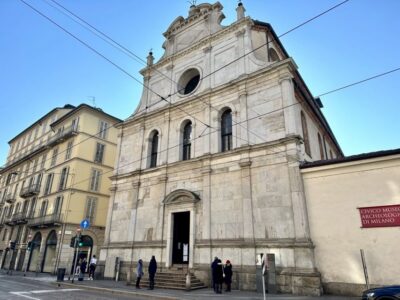
Guided Street Food Walking Tour with Food Tasting
Read our review →
Guided Walking Tour with Duomo and the Last Supper
Read our review →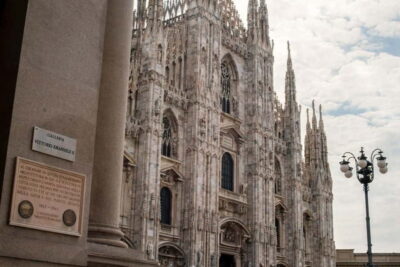
Best of City Walking Tour with Last Supper Tickets
Read our review →
Milan Highlights and Hidden Gems Private Guided Walking Tour
Read our review →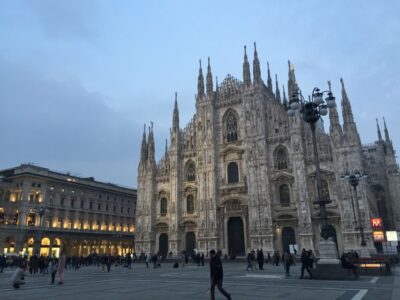

Browse the lists this tour appears in