
Reviewed · COOKING CLASSES
Milan: Share Your Pasta Love in a Local’s Home
A few hours can change how you think about pasta. This Milan class puts hands-on fresh pasta in a local family home, with a certified home cook guiding you and a proper sit-down meal at the end.
I love how the evening starts with a warm welcome, usually an aperitivo plus a small appetizer, then moves fast into rolling, kneading, and shaping. I also love the way the host teaches you the practical rhythm of Northern Italian cooking, and you get to taste what you make with wine included.
One thing to consider: because it is a private home experience with a short 1.5-hour format and small group limits, the final meal may feel lighter than a full restaurant dinner. If you want a lot of instruction time in English or a big multi-course feast, it’s worth setting expectations ahead.
In This Review
- Key Points That Matter
- Milan Pasta Class in a Local Home, What It Feels Like
- The Welcome Aperitivo, Before the Dough Gets Serious
- Rolling, Kneading, Shaping, The Real Skills You Carry Home
- What the Class Actually Makes, Tagliatelle, Fettuccine, or Ravioli
- The Meal, Wine, Coffee, and the Part You’ll Remember
- Why the Home Setting Beats a Typical Cooking Workshop
- Price in Milan, Is $65 Good Value Here?
- English Instruction and the Pace, Set Your Expectations
- Small Group Comfort, and Why It Helps Your Pasta
- Practical Tips for a Smooth Night in Lombardy
- Who Should Book This Milan Pasta Cooking Class
- Should You Book It, or Skip It?
- FAQ
- How long is the pasta cooking class in Milan?
- How big is the group?
- Where does the class take place?
- What language is the instructor?
- What’s included in the price?
- Is wine included?
- Can I cancel for a refund?
- Do I have to pay right away?
Key Points That Matter
- Small group size, up to 10 people, keeps the class personal
- Aperitivo and appetizer first, then you get your hands dirty
- Certified home cook in the role of instructor, so the techniques feel authentic
- Northern Italian pasta styles like tagliatelle, fettuccine, or ravioli, depending on the class flow
- Wine and beverages included, plus coffee with the meal
- You eat what you make, so the effort turns into dinner you can trust
More noodles worth ordering twice
- The Secrets to Learn Fresh Pasta and Tiramisù in a Glam Home★ 5.0 · 1,182 reviews
- Milan: Pasta and Tiramisu Cooking Class with Wine★ 4.8 · 1,106 reviews
- Gnocchi, Pasta, Tiramisù and Wine Class★ 5.0 · 691 reviews
- Milan: Pasta and Tiramisu Small Group Cooking Class with Wine★ 5.0 · 660 reviews
- Milan Culinary Experience: Pasta & Gelato or Tiramisù Class★ 5.0 · 337 reviews
Milan Pasta Class in a Local Home, What It Feels Like
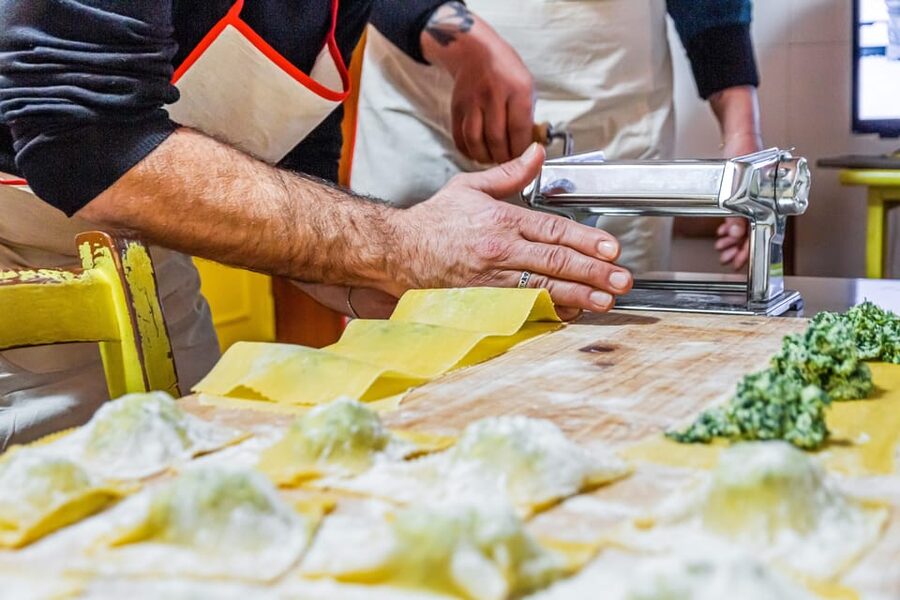
This is the kind of experience that skips the performance and goes straight to the good part: you learn real technique, then you eat real food you shaped yourself. It happens in Lombardy at a local family home, so the setting feels lived-in, not staged. You get that Italian home-cooking vibe where people actually talk while they cook.
The format is tight and efficient. In about 1.5 hours, you go from welcome drinks and a first taste of the evening to rolling dough, forming pasta, and finishing with a homemade pasta meal. It is ideal if you want something memorable in Milan without spending your whole day in transit or standing in line.
Also, the group is small. With a maximum of 10 participants, you are not one more body in a long queue. You are there to learn, ask questions, and get feedback while your dough is still soft enough to fix.
The Welcome Aperitivo, Before the Dough Gets Serious
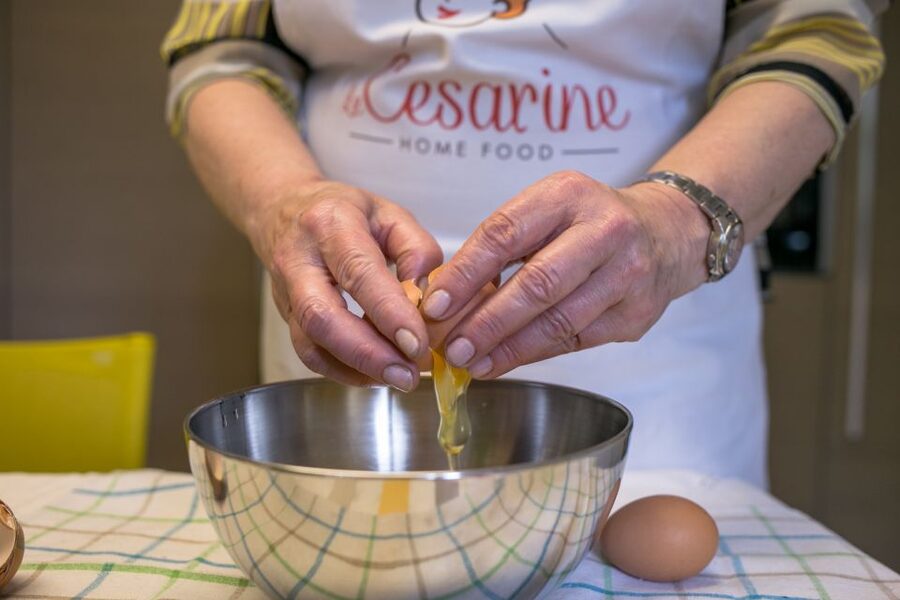
Your night begins with a welcome from your host. In practice, that means you arrive, get greeted like a friend, and start with a small appetizer and an aperitif. The goal is simple: you warm up, chat a bit, and settle into the rhythm of a home kitchen.
This part matters more than it sounds. In Italian cooking, the details live in the temperature, timing, and how the dough feels in your hands. If you start stressed or hungry, you rush. If you start relaxed with an aperitivo and a small bite, you pick up the technique faster.
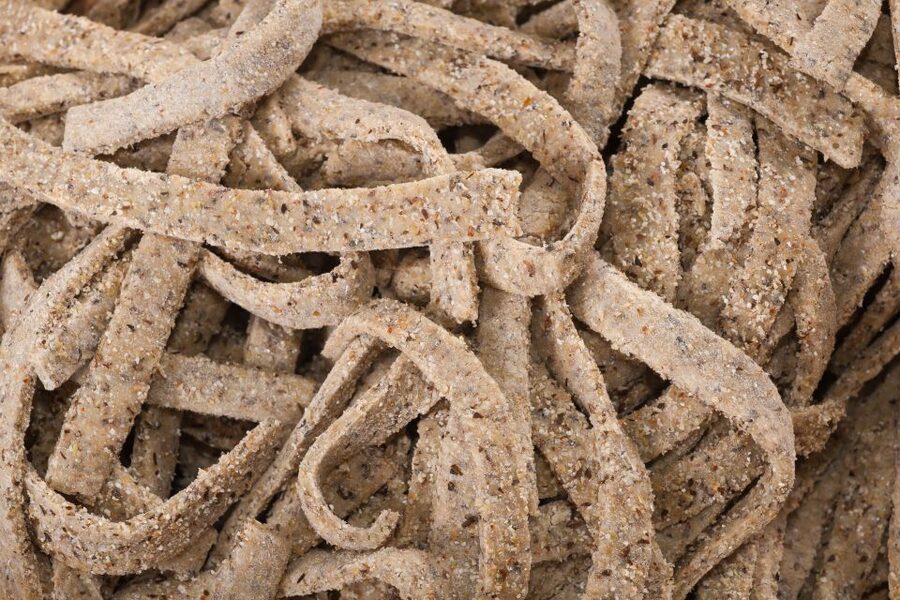
You will also be introduced to the evening’s pasta plan. The class typically focuses on Northern Italian styles such as tagliatelle, fettuccine, or ravioli. Which one you make can vary, but the teaching approach stays the same: your host walks you through the steps, then you practice.
Rolling, Kneading, Shaping, The Real Skills You Carry Home
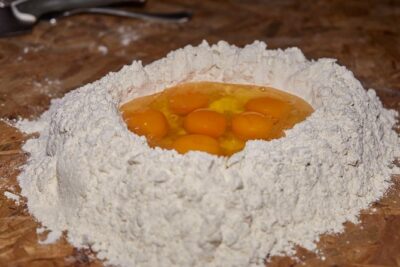
Once you’re settled, you start the hands-on work. This is not just watching. You mix, knead, and shape the pasta under guidance. The host is there to correct your technique as you go, so you learn what changes when the dough is too dry, too wet, or rolled too thick.
Here’s what you can expect to learn in an Italian home setting:
- How to mix dough ingredients into the right texture before you ever roll
- How to knead for elasticity, so the pasta can be shaped without tearing
- How to roll and cut pasta to a consistent thickness
- How to shape something like tagliatelle or form ravioli, depending on the class flow
In past sessions connected to this experience, hosts like Valentina have guided guests step-by-step through making tagliatelle alla crema di parmigiano. Another host, Rosa, has been praised for sweet, patient hospitality and turning the whole class into an easy, friendly night. Simona has also been part of the experience, with guests enjoying the pacing and learning enough to feel comfortable.
That matters for you because it is not about fancy theory. It’s about getting your hands to do the right thing without overthinking.
Other ways to fill a Milan itinerary
- Milan Cooking Class: Authentic Pizza & Gelato Making
★ 5.0 · 582 reviews - Milan: Italian Cooking Class with Food and Wine
★ 4.7 · 509 reviews - Milan: Traditional Pasta and Tiramisù Masterclass
★ 5.0 · 307 reviews
What the Class Actually Makes, Tagliatelle, Fettuccine, or Ravioli
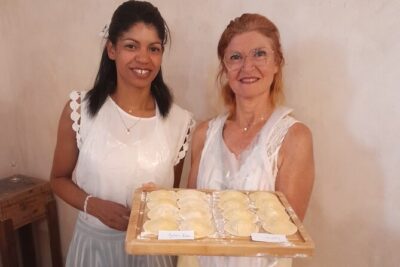
The pasta choices are classic. You might make tagliatelle or fettuccine, or you might go for ravioli. Whatever you end up shaping, the focus stays on technique plus a recognizable, Northern Italian flavor profile.
Why that’s a good use of your time in Milan: you get a skill you can repeat at home, and you also learn how Italians think about dinner. They do not treat pasta like a side dish. In a good home meal, pasta is the center, and the sauce or filling is part of the same craft.
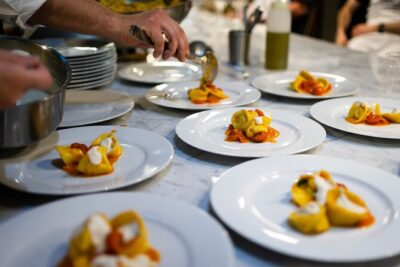
The host also prepares the meal so you can sit down and eat what you made. That means your class time leads directly into dinner, rather than ending with dough sitting in a container while you go find food elsewhere.
The Meal, Wine, Coffee, and the Part You’ll Remember
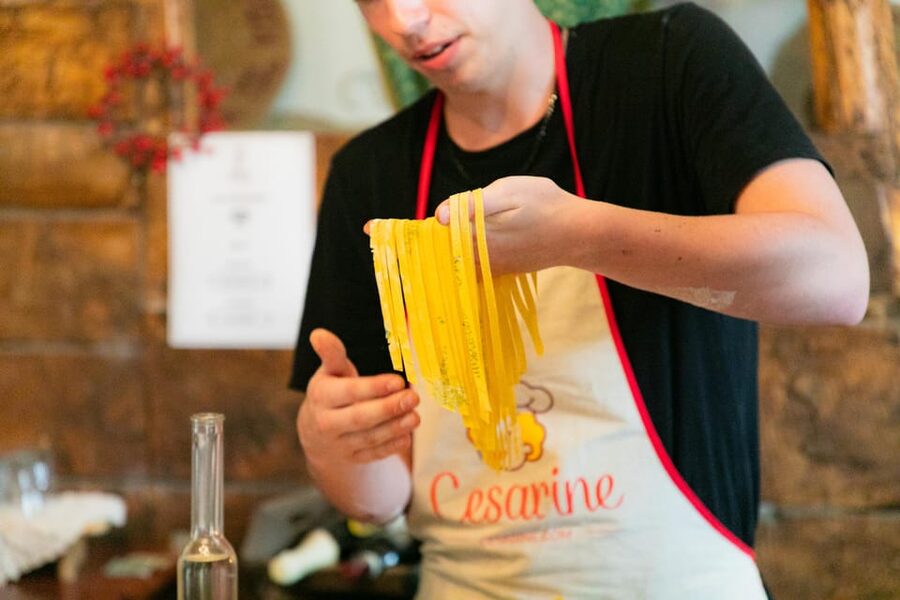
After the pasta work, it is time to celebrate. You sit down in the home and eat the dish you helped create. This is where the whole experience clicks.
Wine is included. The plan is one bottle of wine per three guests, plus water and coffee. You do not need to order anything or decide what pairs with what. Someone has already built the flow of the evening.
In some of the experiences associated with this class, hosts have also prepared a dessert to close the night. You should treat that as a nice bonus, not a guaranteed second course, but it matches the warm, full-evening feel many people describe.
If you care about value, this meal piece is key. A cooking class that ends at the prep stage is a demo with extra steps. This one ends with a proper meal. You taste what you made while it is fresh and still aligned with the host’s cooking decisions.
Why the Home Setting Beats a Typical Cooking Workshop
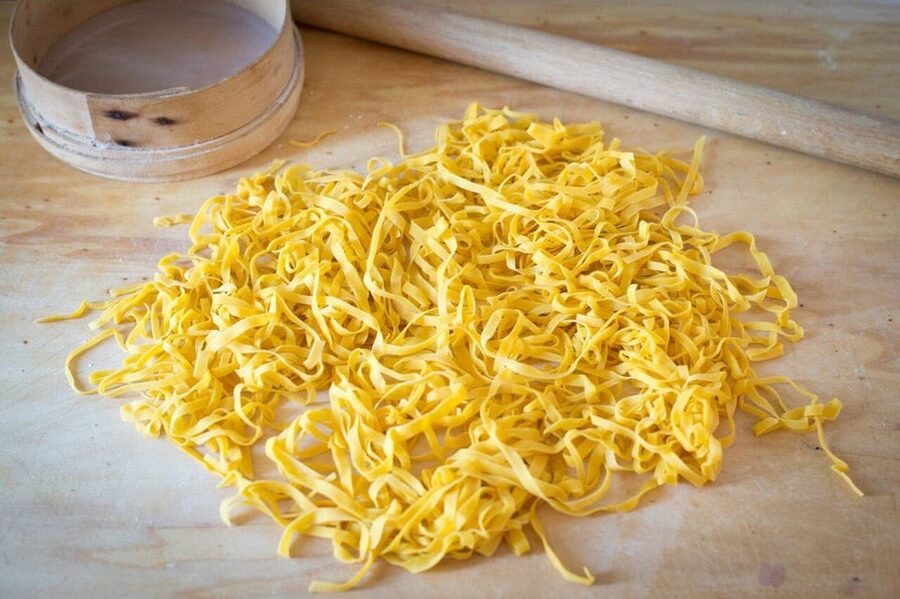
There is a reason this type of class keeps getting strong marks. The location is not a studio or a rented classroom. It’s a real Milan home, with real hospitality and a personal atmosphere.
That shows up in small ways:
- You get attention as an individual, not just as a timer on a schedule
- The host can explain things in a friendly way because you are not in a big group
- The kitchen feels authentic, so the experience doesn’t feel like a script
Also, you get to meet other people in the group. Since the group is limited, the conversation often comes naturally. People talk while you work, then you share the meal you created.
The hosts in the past have been described as generous, patient, and welcoming. One reviewer highlighted how the hosts were attentive and how the evening extended from wine and pasta through dessert. Another noted how the host was very kind and guided them clearly through the pasta steps.
Price in Milan, Is $65 Good Value Here?
Let’s talk about the number plainly: it is $65 per person for 1.5 hours in a small group, in a local home, with ingredients, wine, and a meal included.
Is it cheap? No. Milan has plenty of low-cost experiences. But cooking classes in homes have costs that are hard to copy in a warehouse-style setup: the host’s time in their own kitchen, the shopping and preparation, and the fact that you are limited to a small number of seats.
For the value check, focus on what you’re getting for your money:
- Welcome aperitivo and an appetizer
- Hands-on pasta making, not just watching
- Beverages including water, wines, and coffee
- A homemade pasta meal with wine
Then weigh the tradeoff. The class is only 90 minutes, so it is not a deep masterclass lasting half a day. If you want hours of sauce experiments, multiple pasta types, and a big dinner spread, you may want a longer format. One person felt the pricing did not match the quantity of food, and another found the English explanations less detailed than expected. Those are the main reasons value can feel uneven.
So here’s my practical take: this is a strong value when you want a memorable, personal night that ends with a real meal. It is a less perfect match if you are mainly hunting for maximum food volume or maximum lecture time.
English Instruction and the Pace, Set Your Expectations
The instructor supports both Italian and English. That’s great if you do not speak Italian. Still, teaching styles can vary by host and how the evening flows.
From experience patterns tied to this class, instruction tends to be friendly and practical. But one review criticized the English explanations as not very detailed, and another person noted that the pasta-making time felt short.
So what should you do? Ask questions early. When you arrive, tell your host what you want most, like learning how to roll pasta to the right thickness, or how to form ravioli without sealing mistakes. If you want deeper explanations, speak up before the pace moves past you.
If you’re the type who learns by doing, you’ll likely love this format.
Small Group Comfort, and Why It Helps Your Pasta
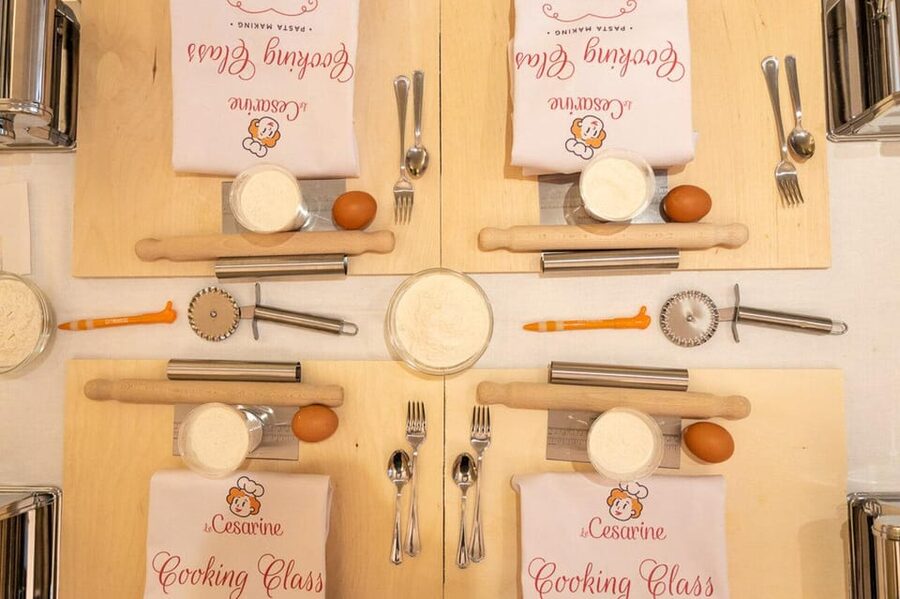
With a cap of 10 participants, you get more coaching and less crowding. That matters a lot when you’re kneading dough and working with hands-on steps. In a bigger group, someone always ends up waiting, or you watch someone else do the trick you needed.
The small-group size also helps with the home setting. Kitchens are smaller than you expect. The host can manage the workspace because the class stays within a realistic number.
This is also why people describe it as a warm and friendly way to meet others. You’re not stuck next to strangers in a loud environment for hours. You work together, then eat together.
Practical Tips for a Smooth Night in Lombardy
A couple of logistics points can make your evening smoother, and none are scary.
First, you meet in the host’s home, but for privacy the full address comes after booking. Plan to check your confirmation instructions before you head out. In a dense city like Milan, knowing exactly where to go helps a lot.
Second, come with a hunger level that matches the format. You’ll have an appetizer and aperitivo, then you’ll work for about 90 minutes, then you’ll eat the pasta meal. If you are used to restaurant portions, you might still feel you want more food after. That does not mean it’s bad, it just means you should know what kind of evening it is.
Third, wear something comfortable. You’ll be standing at a table, handling dough, and moving around a small kitchen space.
Finally, bring curiosity. The best moments usually happen when you ask about local preferences and techniques, like why certain pasta shapes show up in Northern Italy or how the sauce style fits the pasta texture.
Who Should Book This Milan Pasta Cooking Class
This experience fits best if you:
- Want authentic home hospitality over a formal workshop setting
- Enjoy learning by doing, and you like getting your hands involved
- Prefer a short, memorable evening instead of a long day tour
- Value eating what you made while the food is fresh and the host guides the full meal flow
You might rethink booking if you:
- Want a long, multi-course cooking marathon with lots of instruction time
- Expect a very large dinner portion in the end
- Need extremely detailed lecture-style teaching in English, every step with lots of explanation
If you’re unsure, this is still an easy “yes” for most food lovers who want a genuine Milan evening.
Should You Book It, or Skip It?
Book it if you want a friendly Milan night that combines technique, local hospitality, and dinner you helped make. The price is reasonable for what’s included, especially because you get aperitivo, wine, and a homemade meal, all wrapped into a small-group home setting.
Skip it only if your priority is maximum food quantity or a very long lesson plan. Otherwise, this is exactly the kind of experience that gives Milan a personal flavor, not just a postcard one.
FAQ
How long is the pasta cooking class in Milan?
The experience lasts 1.5 hours.
How big is the group?
It is a small group with a limit of 10 participants.
Where does the class take place?
It takes place in a local family’s home in Lombardy, Italy. For privacy reasons, you receive the full address after you book.
What language is the instructor?
The instructor speaks Italian and English.
What’s included in the price?
Local taxes, a welcome appetizer and aperitivo, hands-on pasta making, beverages (water, wines, and coffee), and the homemade pasta meal with wine.
Is wine included?
Yes. Wine is included, with one bottle per three guests.
Can I cancel for a refund?
Yes. Free cancellation is available up to 24 hours in advance for a full refund.
Do I have to pay right away?
No. You can reserve now and pay later, meaning you can book and pay nothing today.
Newly Listed




Cooking Classes, compared.
The Secrets to Learn Fresh Pasta and Tiramisù in a Glam Home
Read our review →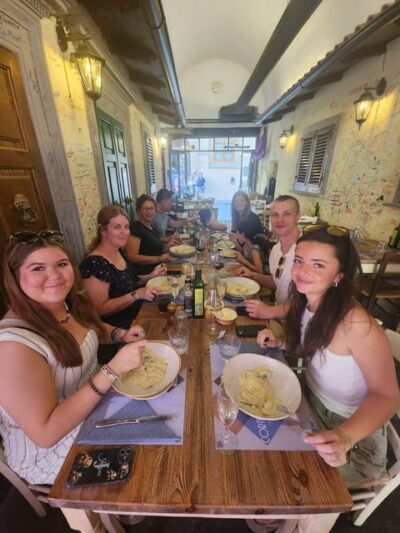
Pasta and Tiramisu Small Group Cooking Class with Wine
Read our review →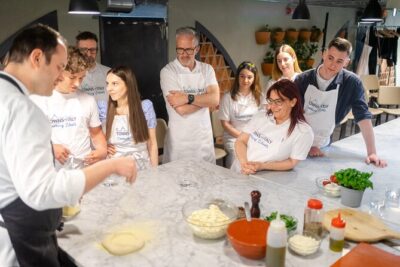
Milan Cooking Class: Authentic Pizza & Gelato Making
Read our review →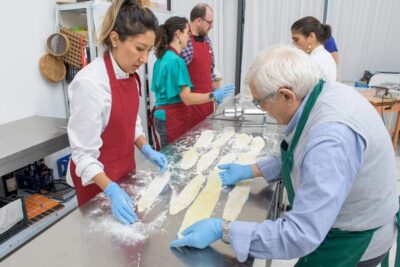
Milan Culinary Experience: Pasta & Gelato or Tiramisù Class
Read our review →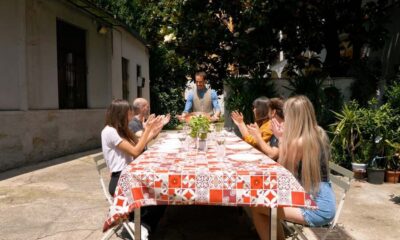
Small Group Cozy Cooking Class in a Typical Milanese Home.
Read our review →Browse the lists this tour appears in