
Reviewed · COOKING CLASSES
Milan: Italian Cooking Class with Food and Wine
Fresh pasta happens fast here. In Milan, this hands-on class teaches you how to make three traditional dishes under an Italian chef’s guidance, then you eat what you cook with wine. It’s built around a modern take on Italian cooking, with a strong focus on smart, low-waste habits.
I especially like the way you work at your own station while you learn. You’re not just watching, you’re kneading dough, shaping pasta, and getting practical technique tips you can actually use later at home. You also leave with a full set of recipes, which turns the experience into something repeatable, not just a fun night out.
One consideration: the kitchen is a working lab with rules like no drinks or food while cooking, no tasting until instructed, and no luggage or large bags. If you’re sensitive to that kind of tight workflow, or you need wheelchair access, this may feel restrictive.
In This Review
- Key highlights you should care about
- Finding Chef and the City, then settling into a real kitchen vibe
- How the 3-hour flow actually works
- Fresh pasta from scratch at your own station
- Turning pasta technique into real flavor: cacio e pepe and ragù
- Building a starter and a main the Milan way
- Dessert, coffee, and the included drinks that make the evening work
- What the included gear and recipes mean for your budget
- Group size and teaching style: why you feel guided, not rushed
- Rules to note before you go (so you’re not surprised)
- Who should book this cooking class in Milan
- Price and value check, from a practical point of view
- Should you book Chef and the City cooking class?
- FAQ
- What is the duration of the Milan Italian cooking class?
- How much does the experience cost?
- Where is the meeting point?
- What do I learn and cook during the class?
- What is included in the price?
- What is the language used during the experience?
- Can the class accommodate dietary restrictions like gluten free?
- Are pets and luggage allowed?
- Is it suitable for young children and for mobility needs?
Key highlights you should care about
- 3 dishes in 3 hours, with hands-on cooking and a shared meal at the end
- Fresh pasta made from scratch, not just assembling ingredients
- Italian chef-led guidance with technique tips and cultural context
- Wine included with the sit-down meal, plus coffee and other drinks during breaks
- Recipes provided to take home, so you can rebuild the dishes later
- Professional kitchen setup, including aprons and gloves, plus clear conduct rules
Try your hand at a Milanese craft
- Milan: Pasta and Tiramisu Cooking Class with Wine★ 4.8 · 1,106 reviews
- Gnocchi, Pasta, Tiramisù and Wine Class★ 5.0 · 691 reviews
- Milan: Pasta and Tiramisu Small Group Cooking Class with Wine★ 5.0 · 660 reviews
- Milan Cooking Class: Authentic Pizza & Gelato Making★ 5.0 · 582 reviews
- Milan Culinary Experience: Pasta & Gelato or Tiramisù Class★ 5.0 · 337 reviews
Finding Chef and the City, then settling into a real kitchen vibe
This class meets at Chef and the City, a street-level shop with big windows and red signage. When you arrive, ring the bell at the main window door, then look for the team to bring you in.
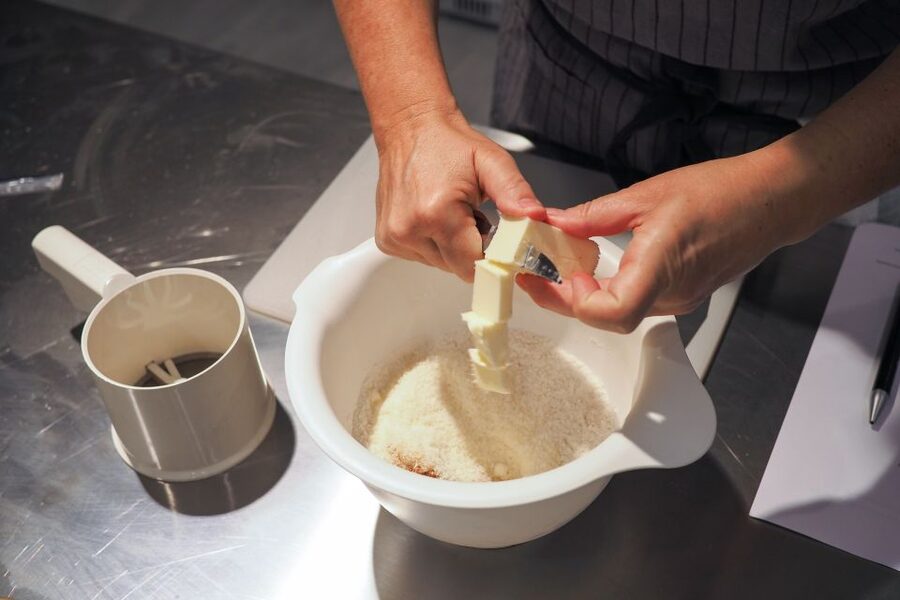
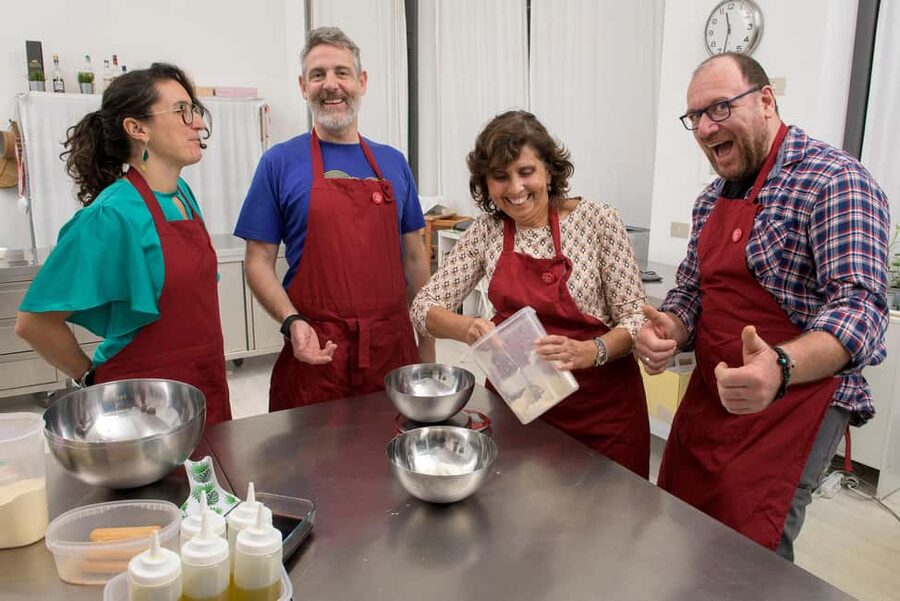
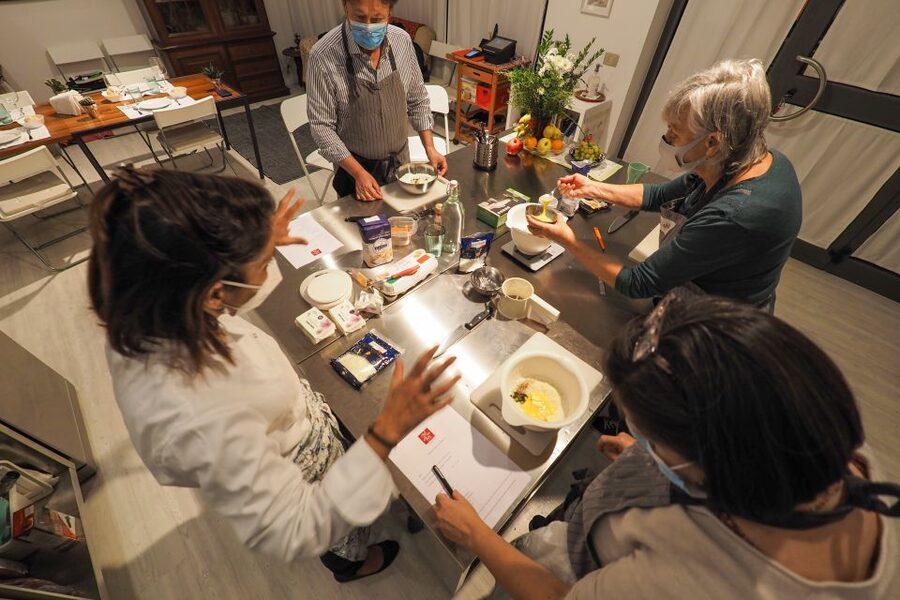
What I like about the setup is that it feels like a working culinary space, not a classroom pretending to be a kitchen. You get cooking tools and protective basics like aprons and gloves, and you move through the night with your station set up to actually cook.
The location itself helps if you want a low-stress evening in Milan. You’re not hopping across the city at multiple stops. You just show up, get organized, and start.
How the 3-hour flow actually works
This workshop runs for about 3 hours, and the rhythm is simple: learn, cook, snack, then sit down and eat together with wine.
You begin with prep and lighter bites, then the main work kicks in: the pasta, the sauces, the assembly, and the finishing steps. During breaks, you’ll have snack-style items like cheese, dry tomatoes, mortadella, and olives, plus drinks like coffee, teas, infusions, and water.
By the time you reach the dining portion, you’re not waiting around hoping it tastes good. You’re eating the dishes you made, while chatting with the group and sipping included wine.
One extra detail worth knowing: instructions are clear about timing, including when you can taste. That can slow you down a bit early on, but it’s also how you end up with consistent results.
Fresh pasta from scratch at your own station
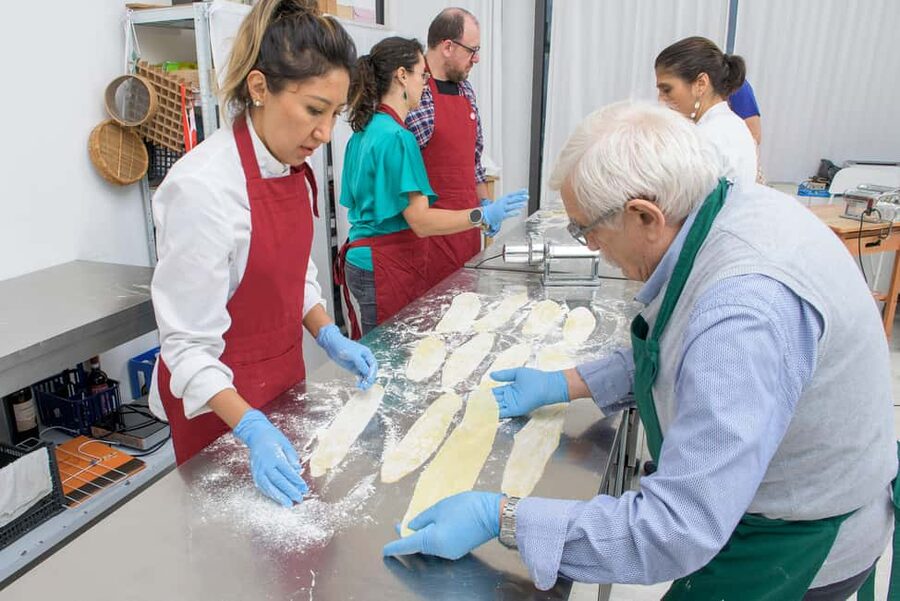
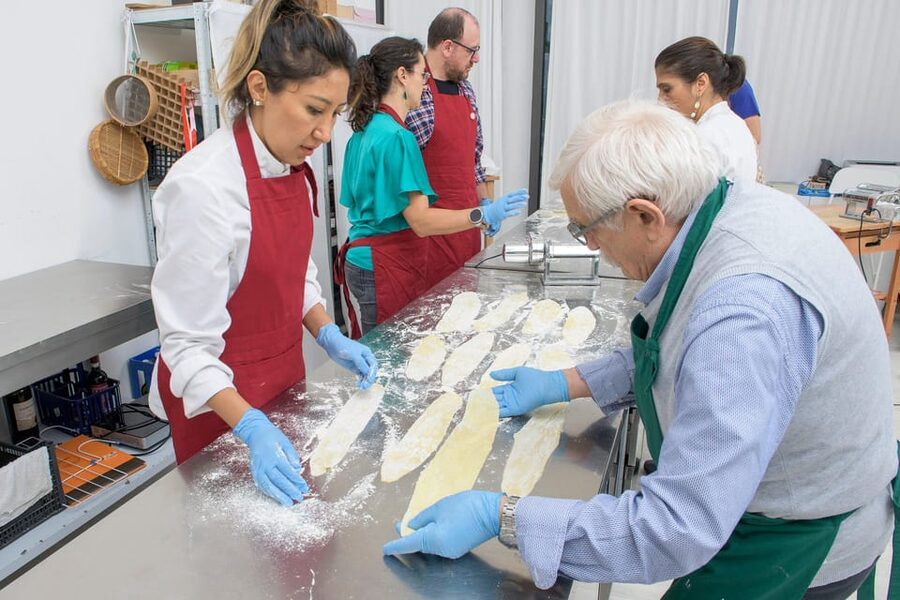
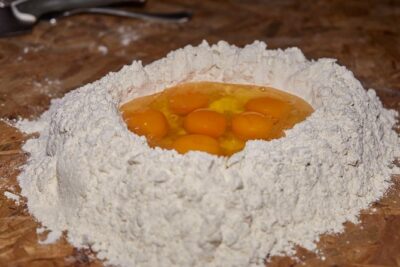
The star skill here is making pasta from the start. You work at a personal desk, so you’re not stuck hovering behind someone else’s shoulder.
Depending on the exact menu for your date, you may learn pasta shapes like tagliatelle, gnocchi, and ravioli. Even when the specific dish list shifts, the method taught is the same idea: understand the dough, handle it properly, and learn what the texture should feel like as you go.
This matters for value. Cooking classes can turn into ingredient dumping. Here, you’re getting the muscle memory for dough and shaping, so the next time you want fresh pasta, you know what to look for instead of just following steps blindly.
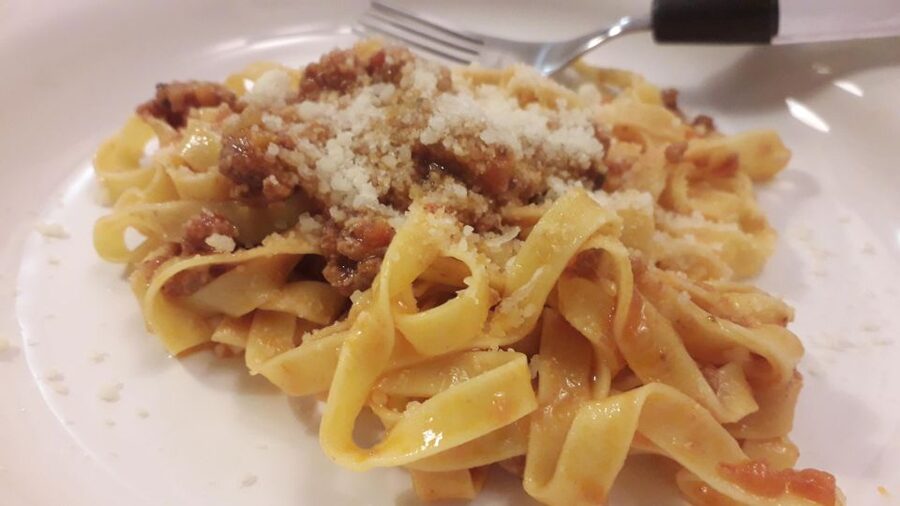
You’ll also make classic components and sauces, often including options like cacio e pepe (pepper and cheese style) and ragù. In one class flow, you may even get homemade sauce preparation guidance that helps you understand why the flavors build over time, not just what to do.
And yes, people really geek out over the details. One chef tip that sticks is the idea behind what does and does not belong in a famous sauce style. Even when it isn’t carbon-copy traditional, it gives you a lens for how Italians think about correctness and technique.
More of what Milan eats
- Milan’s Authentic Street Food tour: A Gourmet Experience
★ 4.5 · 717 reviews - Milan: Guided Street Food Walking Tour with Food Tasting
★ 4.8 · 654 reviews - Milan: Sunset Navigli Food & Drinks Tour by Do Eat Better
★ 4.5 · 517 reviews
Turning pasta technique into real flavor: cacio e pepe and ragù
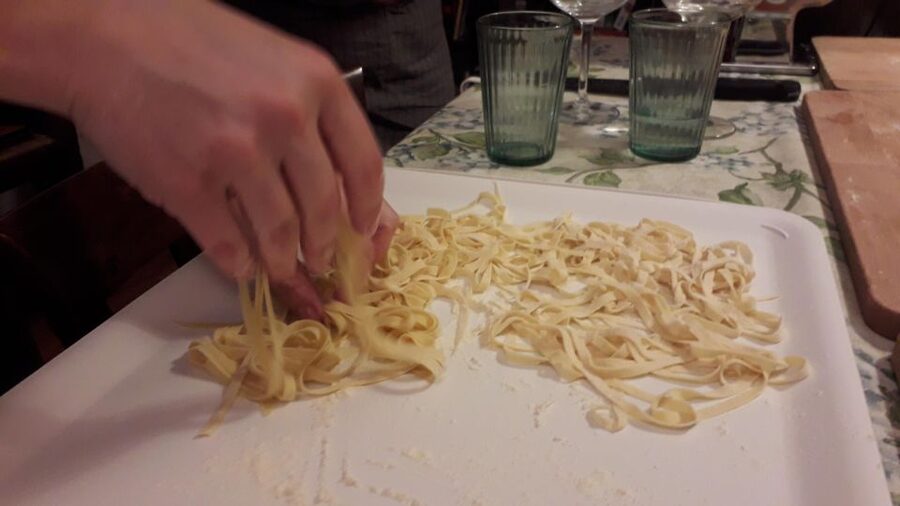
Fresh pasta is only half the story. The other half is how you season and finish so the dish tastes like Italy, not like flour with toppings.
For sauces, you’ll focus on approaches that give you structure:
- Cacio e pepe emphasizes balance between cheese, pepper, and timing so the sauce clings properly instead of turning grainy.
- Ragù teaches patience and layering, so you get depth rather than a rushed, one-note result.
This is where the “secrets” and pro tips matter. You’re learning cues, not just measurements. When to adjust heat, when to add components, and how to make sure the final dish holds together once plated.
If you love the idea of cooking like a grown-up, this part will make you happy. You’re not just combining ingredients, you’re managing texture and flavor development.
Building a starter and a main the Milan way
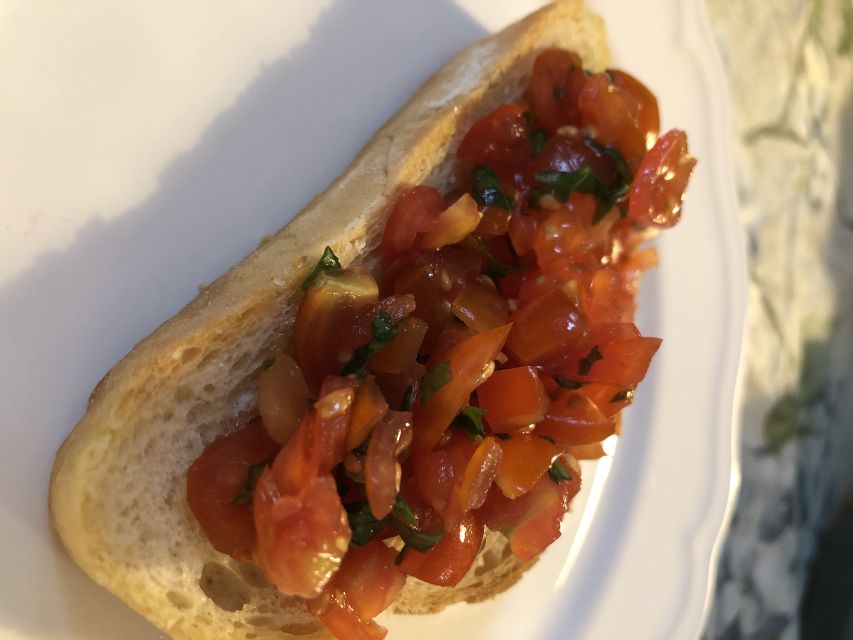
Alongside pasta, the class commonly includes a range of Italian favorites. Your exact dishes can vary across sessions, but you should expect a mix of starter and main-course cooking.
Items you may see include:
- Bruschetta for the starter portion, usually taught with attention to freshness and assembly timing
- Focaccia as a practical, teachable bread element
- Eggplant parmigiana style cooking (in some class menus) with focus on layering and bake results
Bruschetta is a good example of why this class is more than a party trick. It’s simple on paper, but it depends on the details, like how you prepare components so they don’t turn soggy and how you balance toppings.
Also, the class aims for a healthy, no-waste approach. In practice, that often means using ingredients thoughtfully and not treating scraps like leftovers from a tutorial.
Dessert, coffee, and the included drinks that make the evening work
Dessert is where the class gets fun. Many sessions include tiramisù, and you may also encounter classic sweets like cookies, biscuits, or candies paired with drinks.
Coffee and tea show up during breaks, and the dessert portion keeps the pacing relaxed enough that you’re not just racing to finish.
There are also helpful tradition notes that make dessert tips easier to apply at home. One example from prior sessions is the guidance around alcohol choice in tiramisù, which can explain why some versions taste different across countries.
Then the bigger payoff hits at the end: you sit down together and enjoy what you made with wine. Wine is included, and it’s part of how the night transitions from work mode to dinner mode.
What the included gear and recipes mean for your budget
The price is $80 per person for a roughly 3-hour class. On paper, that’s not “cheap.” But look at what’s included: food, beverage, cooking tools, gloves, aprons, and wine, plus recipes you can recreate at home.
That recipe handoff changes the economics. If you just pay for a one-time meal, you lose the value after you leave the kitchen. If you can cook these dishes again, the class becomes a skill purchase.
In the kitchen, the included tools and protection reduce friction. You don’t need to bring anything besides yourself and a willingness to follow kitchen rules. That’s a real savings when you’re already spending on lodging and transport in Milan.
Group size and teaching style: why you feel guided, not rushed
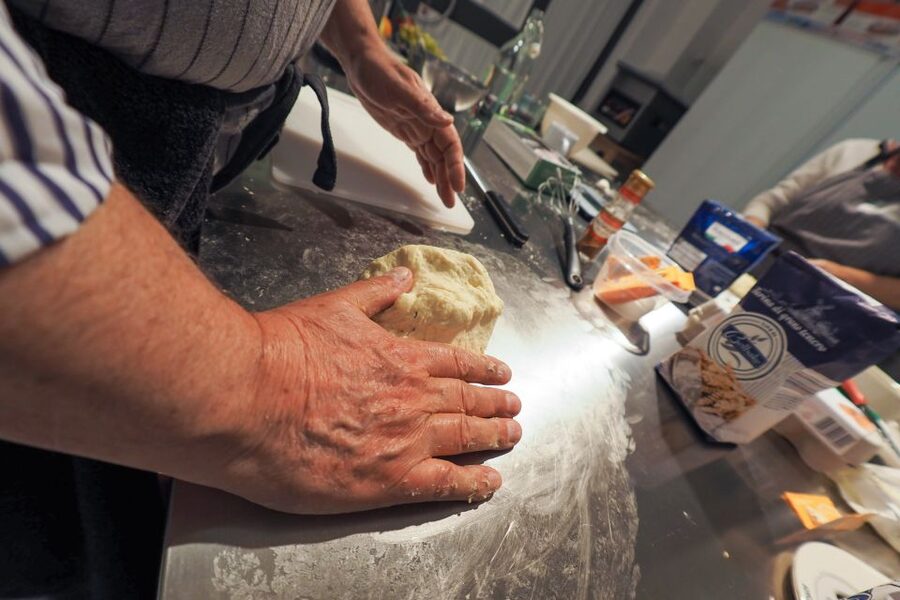
One recurring theme is the personal, hands-on teaching. In some sessions, the group can be small, even just a couple of people, which naturally increases how much direct attention you get.
The chef lead is often lively and animated, using clear explanations and practical corrections as you cook. You’ll also hear cooking context and small historical notes that make techniques make more sense, not less.
Even better, support staff may help with ingredients and getting utensils ready. That matters because it keeps the pace steady and reduces the awkward downtime that can drag some classes.
If you like learning by doing, this class is built for you. You’re expected to actively cook, and that keeps you engaged for the whole evening.
Rules to note before you go (so you’re not surprised)
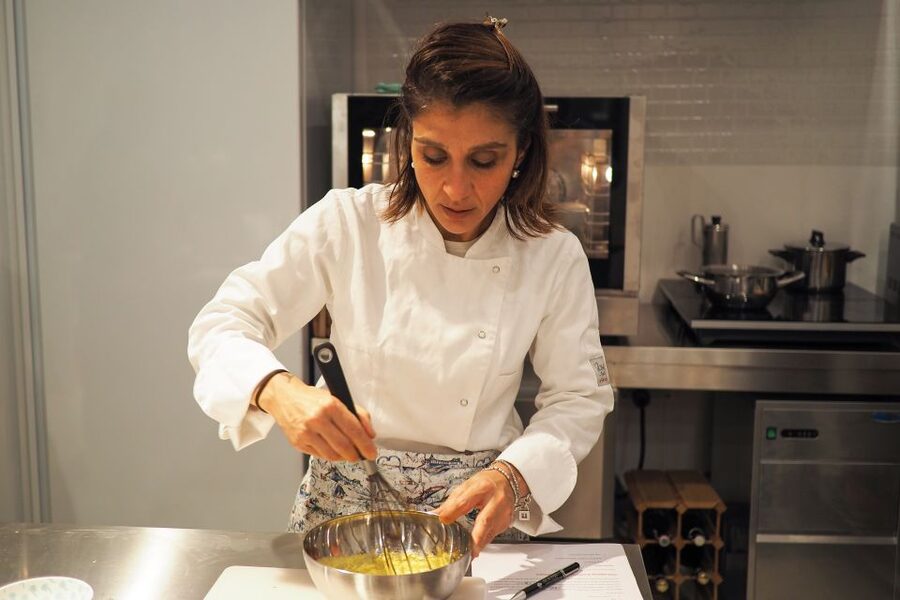
The kitchen follows professional lab behavior, and you should plan accordingly.
You’ll be asked to follow rules such as:
- No drinks or food while cooking
- No tasting while cooking unless instructed
- Tie up long hair
- No luggage or large bags
- No smoking
- Pets are not allowed
Also, this experience is not wheelchair accessible and is not suitable for people with mobility impairments. It’s also not suited for children under 10.
If you’re coming with a backpack, keep it small. Large bags are not allowed, and that can affect what you bring from your hotel.
Who should book this cooking class in Milan
This is a strong pick if you want:
- a hands-on Italian food experience with real technique
- fresh pasta skills you can repeat
- a dinner-style finish with wine included
- a structured class that gives you recipes to take home
It’s also great if you’re traveling solo. Small groups can make it easier to talk, share stations, and feel like you’re part of the night, not just passing through.
If you’re traveling with friends, it’s a fun shared activity because you’ll all end up eating together and comparing results. If your group has different cooking skill levels, you still get something valuable since the class focuses on technique cues, not just recipes.
Price and value check, from a practical point of view
At $80 for 3 hours, you’re paying for three things:
- Chef-led instruction
- Ingredients, tools, and wine
- A recipe pack that lets you reproduce the outcome later
For me, the best value piece is the recipes. Without that, cooking classes can turn into memories only. With it, you can rebuild the dishes for friends, adjust to your own pantry, and keep the learning curve going.
If you’re the type of traveler who likes to bring home something useful, not just photos, this hits the mark.
The only time I’d hesitate is if you strongly dislike structured kitchen rules or you need accessibility accommodations. In those cases, you’d be better off looking for a more flexible food experience.
Should you book Chef and the City cooking class?
I’d book this class if you want a true Milan cooking night where you make fresh pasta, cook classic Italian dishes, and leave with recipes you can actually follow at home. The included wine and sit-down meal turn it into dinner, not just a demo.
Skip it if you need wheelchair access or mobility-friendly conditions, or if strict lab-style rules about food and tasting will frustrate you.
If you’re deciding between “eat your way through Milan” and “learn how to cook what you ate,” this one gives you both. You’ll taste the result, and you’ll understand the technique behind it.
FAQ
What is the duration of the Milan Italian cooking class?
The class lasts about 3 hours.
How much does the experience cost?
The price is listed as $80 per person.
Where is the meeting point?
The meeting point is Chef and the City, a street-level shop with three big windows and three red signs on top. Ring the bell at the main window door when you arrive.
What do I learn and cook during the class?
You learn to prepare 3 traditional Italian dishes under the chef’s supervision. The class often includes fresh pasta from scratch and sauces such as cacio e pepe and ragù, along with other classic dishes that can vary by session (for example bruschetta and tiramisù).
What is included in the price?
Food and beverage are included, along with cooking tools, gloves, aprons, and wine.
What is the language used during the experience?
The host or greeter provides instruction in Italian and English.
Can the class accommodate dietary restrictions like gluten free?
There are indications that dietary restrictions and allergies can be handled, including gluten free needs.
Are pets and luggage allowed?
Pets are not allowed, and luggage or large bags are not allowed.
Is it suitable for young children and for mobility needs?
It is not suitable for children under 10, and it is not wheelchair accessible. People with mobility impairments should also consider this before booking.
More Cooking Classes in Milan
- The Secrets to Learn Fresh Pasta and Tiramisù in a Glam Home★ 5.0 · 1,182 reviews
- Milan: Traditional Pasta and Tiramisù Masterclass★ 5.0 · 307 reviews
- Small Group Cozy Cooking Class in a Typical Milanese Home.★ 5.0 · 302 reviews
Wine Tours Near Milan
- Small-Group Barolo Wine Tasting, Alba & UNESCO Piedmont Hills★ 5.0 · 689 reviews
- Milan: Wine Lovers Experience at Cantina Urbana Winery★ 4.6 · 454 reviews
- Milan Centre Food Tour of 7+ Italian Tastings with Risotto & Wine★ 5.0 · 264 reviews
Newly Listed




Cooking Classes, compared.
The Secrets to Learn Fresh Pasta and Tiramisù in a Glam Home
Read our review →
Pasta and Tiramisu Small Group Cooking Class with Wine
Read our review →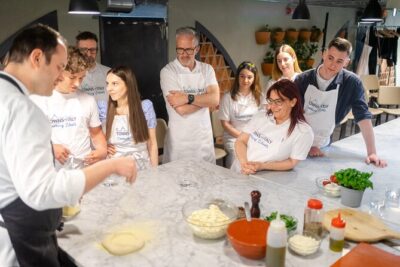
Milan Cooking Class: Authentic Pizza & Gelato Making
Read our review →
Milan Culinary Experience: Pasta & Gelato or Tiramisù Class
Read our review →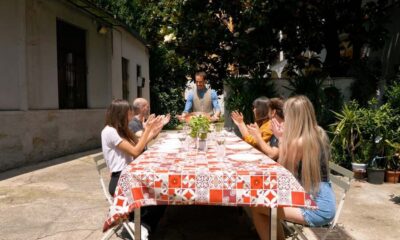
Small Group Cozy Cooking Class in a Typical Milanese Home.
Read our review →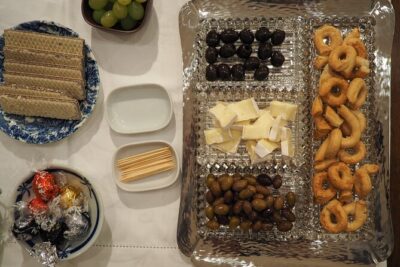
Learn to Cook Italian Recipes with an Italian Chef
Read our review →Browse the lists this tour appears in