
Reviewed · COOKING CLASSES
Learn to Cook Italian Recipes with an Italian Chef
Cooking Italian food in Milan, the practical way. This class is hands-on, relaxed, and you get the real craft of Italian cooking, not just a demo. You also won’t know the exact menu until you arrive, and that surprise element keeps it from feeling like a copy-paste cooking show.
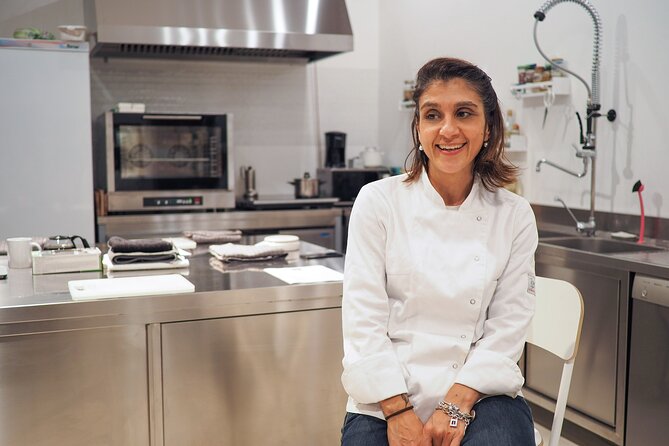
I especially like two things. First, the focus is on how, when, and why each step happens, so you leave with technique you can repeat at home. Second, the teaching is direct and question-friendly, with an instructor moving around the room while you work, whether you are comfortable in a kitchen or totally new.
One consideration: the dishes can vary day to day, and the wine is not presented as unlimited for personal sipping all through the class. It is typically shared, with the dinner portion being the big food-and-wine moment.
In This Review
- Key highlights to look for
- Milan cooking lab setup: finding Via Laura Ciceri Visconti without stress
- A surprise menu that actually teaches, not just entertains
- Starter time: from bruschetta and focaccia to parmigiana (and beyond)
- Main course craft: fresh pasta or dumplings, made by your hands
- Dessert class: tiramisu, cantucci, pan meino, and chocolate tortini
- Lunch plus dinner: the part where you finally relax and eat
- What you take home: recipes for next time
- Price and value: why $82.27 can make sense in Milan
- Who this works for (and who should look elsewhere)
- Possible drawbacks to know before you book
- Should you book this Milan cooking class?
- FAQ
- How long is the cooking class?
- Is the class offered in English?
- What food and drinks are included?
- Do you receive recipes to take home?
- Is transportation included?
- Where does the class meet in Milan?
Key highlights to look for
- Surprise menu on arrival, so you do not just follow a fixed script
- Three-course lesson style (starter, main, dessert), all cooked by you
- Hands-on by hand prep, with guidance on technique, timing, and pacing
- Small groups up to 20, with a class atmosphere that feels workable and social
- Recipes provided at the end, so you can rebuild your meal later at home
- Italian wine with your meal, served during the dining portion (shared wine approach)
Other ways to fill a Milan itinerary
- The Secrets to Learn Fresh Pasta and Tiramisù in a Glam Home★ 5.0 · 1,182 reviews
- Milan: Pasta and Tiramisu Cooking Class with Wine★ 4.8 · 1,106 reviews
- Milan: Pasta and Tiramisu Small Group Cooking Class with Wine★ 5.0 · 660 reviews
- Milan Cooking Class: Authentic Pizza & Gelato Making★ 5.0 · 582 reviews
- Milan: Italian Cooking Class with Food and Wine★ 4.7 · 509 reviews
Milan cooking lab setup: finding Via Laura Ciceri Visconti without stress
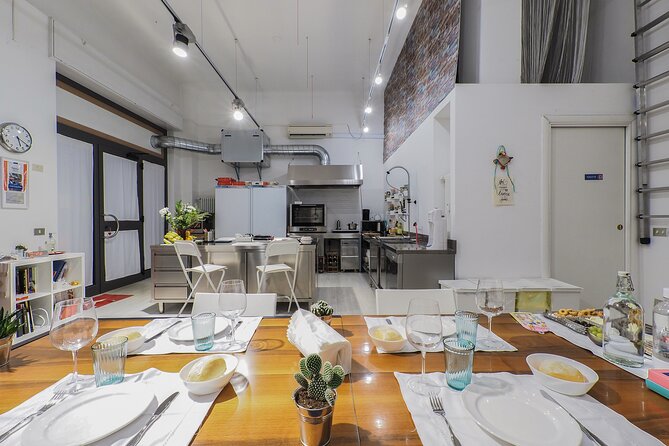
This experience takes place at a street-level kitchen near public transport in Milan, at Via Laura Ciceri Visconti, 4, 20137 Milano. The location has three windows with a red CHEF AND THE CITY sign, and you ring the front door bell to get in. If you arrive early, you will have time to get oriented, because once the class starts, the pace is practical and hands-on.
The class has a maximum of 20 travelers, so you are not stuck in a giant crowd while trying to learn. You also get a mobile ticket, so you should have your phone handy when you arrive. One small but important detail: no luggage is allowed, and animals are not permitted. Smoking is prohibited. Plan to show up light.
Why this matters: cooking classes go better when you can move freely and focus on what is happening in front of you. This setup aims to keep the logistics simple, so you can spend the time learning and eating.
A surprise menu that actually teaches, not just entertains
A lot of cooking classes feel pre-planned, meaning you can almost guess what you will make before you arrive. Here, you learn three typical Italian courses, but you do not get the full menu ahead of time. The starter could be something like bruschetta, focaccia, or parmigiana. The main might be fresh pasta or handmade dumplings like gnocchi, ravioli, or tagliatelle. Dessert might include tiramisu, cantucci, pan meino (a Milanese specialty), or chocolate tortini.
That day-to-day flexibility is not random. It is meant to teach the building blocks of Italian cooking. The instructor emphasizes how, when, and why you do each step, and that is the difference between memorizing a recipe and actually understanding what makes the food work.
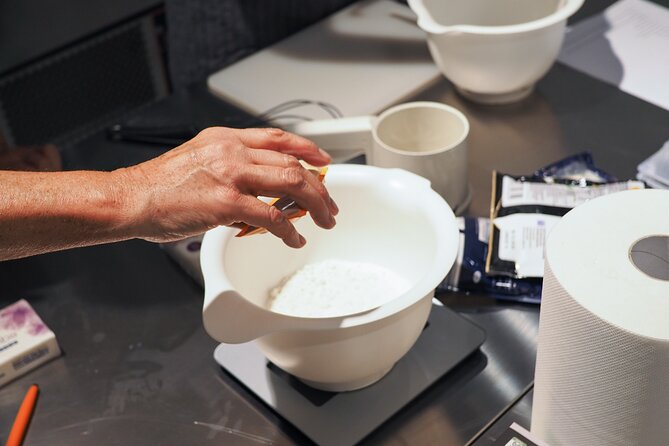
In practice, the lesson works like this: you prep alongside the chef with direct assistance. You can ask questions, and you can take notes as you cook. You are not just watching a person do everything in front of you.
Why it is valuable for you: Italian cooking is technique-heavy. If you only follow steps, it can fall apart at home. If you understand the timing and the logic, you can adapt. This format is built for that.
Starter time: from bruschetta and focaccia to parmigiana (and beyond)
Expect a hands-on starter session where you make Italian appetizers from scratch and mostly by hand. Based on the menu examples, you might do something classic like bruschetta, which usually means building flavor in layers, then assembling right when it will taste best. You might also tackle focaccia, which is as much about texture and handling dough as it is about toppings. Or you could cook parmigiana, where the rhythm of prep and the way ingredients are layered are the whole point.
In the real world of menus, you might also see other starter variations, including chickpea-based items. Some participants describe chickpea appetizers and similar small bites as part of the course. The key is that you are learning a style, not only one exact dish.
You will likely get guidance on cleanliness and workflow too. Several people highlight the kitchen habits, including staying organized while moving between prep tasks. That matters, because Italian cooking often involves multiple components at once, and a busy station can make you feel clumsy if nobody sets the pace.
A practical takeaway for you: pay attention to the moment the starter comes together. If something is assembled too early, it can lose its best texture. If something needs resting, rushing it changes the result. This class is set up to teach that timing, not just the final look.
The Duomo is the start of the story, not the whole of it.
- Milan: Cathedral and Duomo’s Terraces Entrance Ticket
★ 4.6 · 61,054 reviews - Milan: City Sightseeing Hop-On Hop-Off Bus with Audio Guide
★ 4.0 · 6,256 reviews - Milan: Milan Cathedral Direct Entrance – Terrace Excluded
★ 4.5 · 5,782 reviews
Main course craft: fresh pasta or dumplings, made by your hands
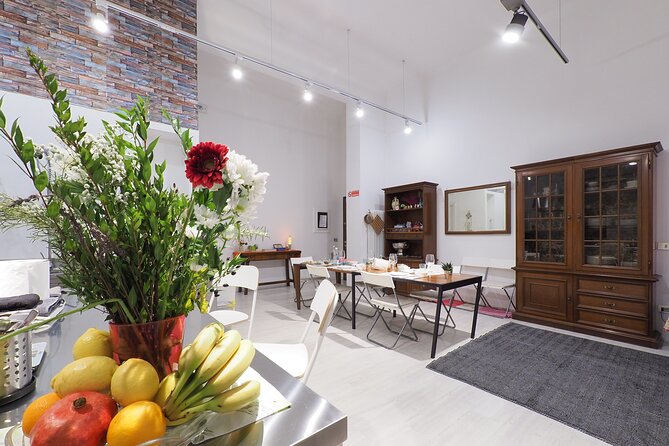
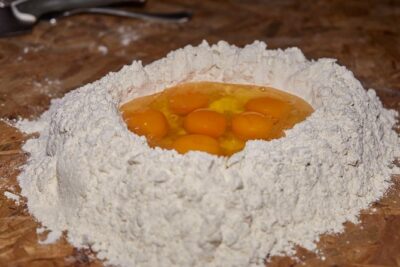
The main course is where many people feel the wow moment. You will make traditional pasta by hand or handmade dumplings, with options such as gnocchi, tagliatelle, or ravioli. You will also make a dressing or sauce together, so the main course is not just dough work. It is dough plus pairing.
If you are a beginner, do not worry. The format is built for mixed skill levels. People mention that even those with little cooking experience managed the session. The chef’s job here is to keep you moving step by step, and to correct the small details that make dough behave.
What you learn in this kind of pasta session usually comes down to a few repeatable ideas:
- how to handle dough without overworking it
- how to recognize the point where it is ready (texture, feel, and consistency)
- how shaping affects cooking time and final texture
- how the sauce timing matters, so everything hits the plate together
One other detail that comes up in the feedback: people really enjoy the pasta making part because it feels active and social. You work with others, share space in a practical way, and you get to taste what your effort creates when you sit down at the end.
Dessert class: tiramisu, cantucci, pan meino, and chocolate tortini
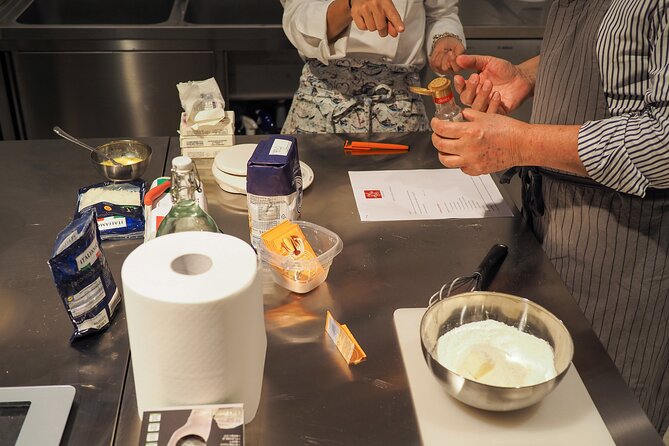
Dessert is not an afterthought here. It is one of the three courses you cook. Depending on the day, you could make tiramisu, Tuscan cantucci, pan meino (Milanese), or chocolate tortini.
Here is why dessert is a smart choice for a learning class:
- Tiramisu and similar layered desserts teach assembly discipline and timing.
- Cantucci-style cookies teach how dough should feel before baking, and how to treat them after.
- Pan meino is a reminder that regional Italian cooking has strong local identities, even within one city like Milan.
- Chocolate tortini teaches something different again, where oven timing can make or break the texture.
If you are the kind of traveler who thinks you cannot cook dessert, this is also where you build confidence. Several people say the recipes were easy to repeat later, and that the class gave them a real method rather than a vague suggestion.
Lunch plus dinner: the part where you finally relax and eat
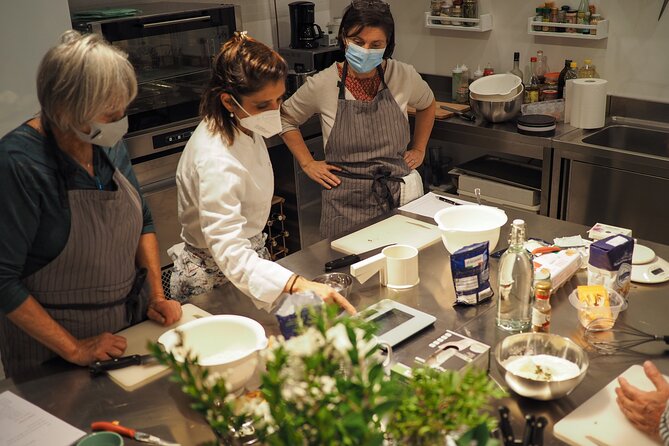
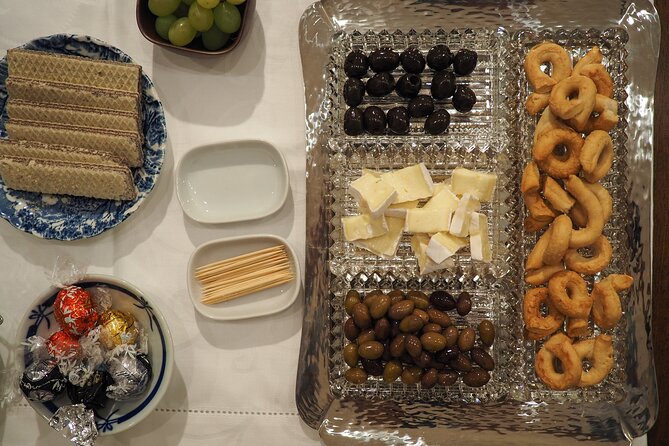
The experience includes dinner and lunch, plus Italian-style welcome snacks at the start. After cooking, you sit down together for the meal. Alcoholic beverages are included, including Italian wines and spirits, and coffee and/or tea are provided. Bottled water is also included.
Wine is where expectations matter. One criticism that came up is that wine may feel shared rather than unlimited for personal sipping. The clearer take to use for planning is this: the class provides wine, but it is not guaranteed as unlimited personal pours throughout the entire time. The dining portion is the big moment when everyone gets to enjoy the meal and wine together.
You can use this as a guide when deciding how much you drink. If wine is your top priority, ask yourself whether shared wine works for you. If you want the food experience first, then the class hits the right balance for most people.
Also, you get to eat what you made, which is not always true at cooking classes. Here, the dinner is connected to the work you did earlier, so the flavor makes sense and the timing feels rewarding.
What you take home: recipes for next time
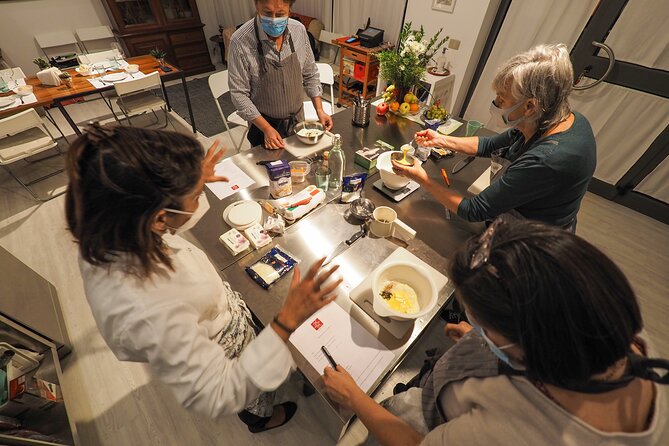
All recipes are delivered at the end of the experience. That matters a lot, because cooking is not only about one good meal. It is about going home with something you can actually reproduce for friends and family.
Some participants also mention that the recipes help them cook again, and that the dishes feel simple once you learn the key steps. That aligns with what the course is trying to do: teach technique and decision-making, not just outcomes.
If you like practical souvenirs, this is a good one. A recipe packet can turn into a habit, and that habit is the kind of memory that sticks.
Price and value: why $82.27 can make sense in Milan
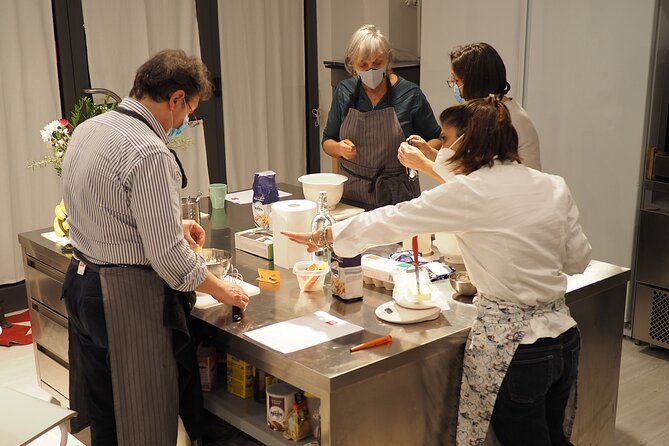
At $82.27 per person, you are paying for three things at once: instruction, ingredients, and a meal with drinks. The class also includes tools in the cooking course and an apron for each participant. That can make a difference in real value, because you do not have to show up with kitchen gear.
The duration is about 3 hours, which is a nice time block when you are touring Milan. You are not stuck for half a day, but you still get enough time to cook and eat. You also benefit from a small group cap of 20 travelers, which keeps the instruction more personal than you would get in very large classes.
To judge value, I suggest thinking like this:
- If you would pay for a nice Italian meal plus a guided food activity, this often lands in a similar mental category.
- If you want hands-on technique you can use later, the recipe delivery plus the structured steps push it toward good value.
Who this works for (and who should look elsewhere)
This class tends to suit people who want real kitchen work, not only a food tasting. It is also a strong match for beginners. People mention that the experience works across different levels, including those with basic skills.
It is also a good option if you are in Milan with a tight schedule and want something different from fashion shopping. One participant even used a layover day as a reason to choose the class.
You may also appreciate the social side. Even in small groups, you are working alongside other people who share food interests, and that can turn an Italian cooking class into a memorable evening quickly.
Possible mismatch: if you want a guaranteed, fixed menu every single time, this is not that kind of class. If you want a wine-heavy experience with unlimited pours, you should temper expectations and plan for shared wine.
Possible drawbacks to know before you book
Here are the practical issues to consider before you commit.
The menu can change. The class does not lock your exact dishes ahead of time, even though it follows a clear structure of starter, main, and dessert. If you have your heart set on one specific item, it might not be the one you cook that day.
Wine is not unlimited personal pours. The experience includes Italian wines and spirits, and the dinner portion is when everyone enjoys the meal together. But wine is not necessarily presented as endless personal consumption throughout the whole class. If you want more, you may need to pay extra.
Shared class means shared timing. Because it is a shared experience, the chef may need the room to quiet down so instructions land clearly. That can feel strict if you prefer constant conversation, but it is also what keeps everyone safe and moving.
One more note for food lovers: while the cooking style aims for traditional results, taste preferences vary. Some people loved everything. Others felt seasoning was on the mild side for their own palate. If you are the type who likes strong flavors, keep in mind that you can always adjust at home later using what you learn.
Should you book this Milan cooking class?
Book it if you want:
- hands-on Italian cooking with real technique guidance
- a three-course meal built around what you cook
- recipes you can take home and use
- a small-group class in Milan that does not require you to be a serious chef
Skip it if:
- you only want a fixed, pre-announced menu
- you want a wine-focused experience with unlimited personal pours
- you prefer a quiet lecture style instead of working at the counter
If your goal is to leave Milan with a skill you can repeat, this class is a very practical way to do it. You get the comfort of familiar Italian dishes, plus the confidence of learning the steps that make them work.
FAQ
How long is the cooking class?
It lasts about 3 hours.
Is the class offered in English?
Yes, it is offered in English.
What food and drinks are included?
You get lunch, dinner, Italian-style welcome snacks, alcoholic beverages (Italian wines and spirits), coffee and/or tea, and bottled water.
Do you receive recipes to take home?
Yes, all recipes are delivered at the end of the experience.
Is transportation included?
No, private transportation is not included.
Where does the class meet in Milan?
The start location is Via Laura Ciceri Visconti, 4, 20137 Milano MI. You ring the front door bell, and the lab is street level with red CHEF AND THE CITY sign windows.
Newly Listed




Cooking Classes, compared.
The Secrets to Learn Fresh Pasta and Tiramisù in a Glam Home
Read our review →
Pasta and Tiramisu Small Group Cooking Class with Wine
Read our review →
Milan Cooking Class: Authentic Pizza & Gelato Making
Read our review →
Milan Culinary Experience: Pasta & Gelato or Tiramisù Class
Read our review →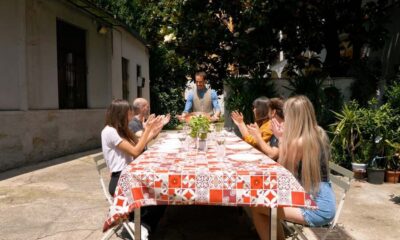
Small Group Cozy Cooking Class in a Typical Milanese Home.
Read our review →Browse the lists this tour appears in