
Reviewed · COOKING CLASSES
Cesarine: Cooking Class with tasting at Local’s Home in Milan
Milan cooking gets real in someone’s home. In this private Cesarine cooking class, you learn Italian techniques by doing them, then sit down to eat the results with local wine. I like the hands-on rhythm, from prep to plating, and I love that the meal happens right where you cooked.
The only real thing to consider is that the class follows a set menu structure, with choices mainly among the main and dessert. You will not be ordering a custom à la carte meal like a restaurant, so come hungry and open-minded.
In This Review
- Key highlights worth planning around
- Why a Milan home kitchen beats a cooking demo
- Le Cesarine meeting point, getting oriented fast
- A quick note on home-kitchen rules and spacing
- The 3-hour structure: how the class moves from prep to the table
- Starter plus aperitivo: your first Milan flavor test
- Main course hands-on options: pizzoccheri, risotto, or lasagna
- Pizzoccheri: hearty comfort you can actually reproduce
- Risotto: the patience lesson that pays off
- Lasagna: structure, layers, and sauce control
- Dessert finale: sbrisolona, tiramisu, or a typical local choice
- The sit-down tasting with local wine
- What makes the hosts matter: examples of the teaching style
- Price and value: what you are really paying for
- Practical tips so the class feels easy (not stressful)
- Arrive ready to cook
- Bring curiosity, not perfection
- Ask about what you taste
- Who should book this Milan class, and who should skip it
- Should you book this Milan cooking class?
- FAQ
- Where does the cooking class take place?
- How long is the class?
- Is this a private tour?
- What dishes will I cook and eat?
- Is the class offered in English?
- Will there be wine with the meal?
- What is the cancellation policy?
Key highlights worth planning around
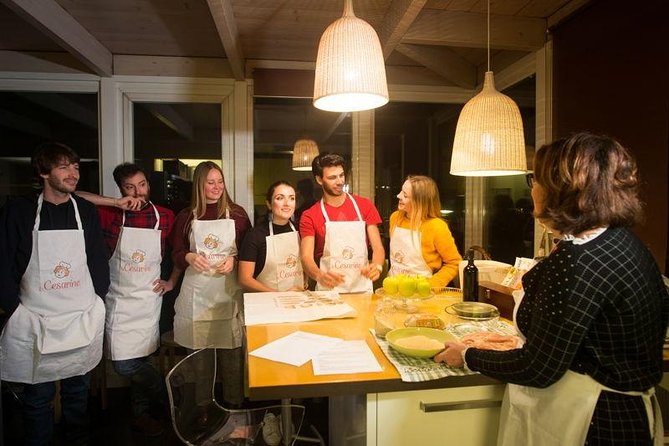
- Private, small-group feel in a local home kitchen with only your group
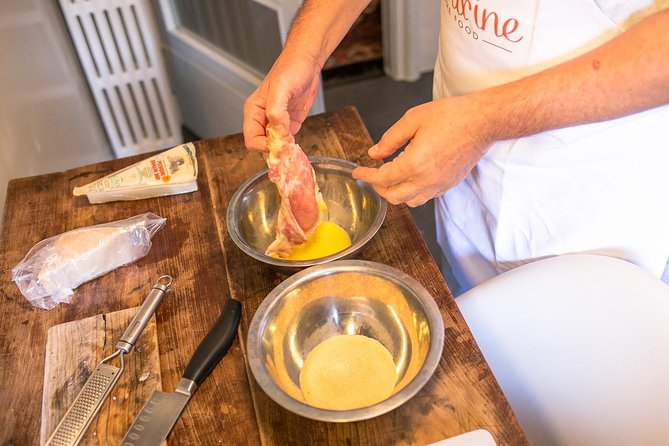
- Hands-on cooking from start to finish for three traditional dishes
- Local wine tasting paired with the meal you make
- Seasonal ingredients and real kitchen techniques, not just a demo
- Host-led personality, with names like Fabio, Beatrice, and Sandra showing up in the experience style
Try your hand at a Milanese craft
- Milan: Pasta and Tiramisu Cooking Class with Wine★ 4.8 · 1,106 reviews
- Gnocchi, Pasta, Tiramisù and Wine Class★ 5.0 · 691 reviews
- Milan: Pasta and Tiramisu Small Group Cooking Class with Wine★ 5.0 · 660 reviews
- Milan Cooking Class: Authentic Pizza & Gelato Making★ 5.0 · 582 reviews
- Milan: Italian Cooking Class with Food and Wine★ 4.7 · 509 reviews
Why a Milan home kitchen beats a cooking demo
A big reason this class works is simple: you learn by making. You are not watching someone else do it while you stand there with your phone. You mix, roll, cook, and taste as you go, which makes the techniques stick.
In Milan, that matters even more. Italian cooking can look flexible on paper, but the details are where flavor lives, from dough texture to how long you build a sauce. In a home setting, those details are easier to understand because the process is close to how real people cook.
Le Cesarine meeting point, getting oriented fast
You start in Milan, and the activity ends back at the meeting point, so you are not left trying to figure out your way home while hungry. It is also noted as being near public transportation, which is a practical win if you are using trams or the metro.
You will receive confirmation at booking, and you get a mobile ticket, which is convenient when you are bouncing between sights. Also, because this is a private class, you are not sharing the kitchen flow with strangers.
A quick note on home-kitchen rules and spacing
Homes provide basic sanitary items like paper towels for washing hands and hand sanitizing gel. The experience also asks you to keep 1 meter distance when needed, and to wear masks and gloves if you cannot. If you travel with a sensitive schedule or you hate being “the respectful one,” this is the moment to be ready for some simple rules that help everyone feel comfortable.
Other ways to fill a Milan itinerary
- The Secrets to Learn Fresh Pasta and Tiramisù in a Glam Home
★ 5.0 · 1,182 reviews - Milan Culinary Experience: Pasta & Gelato or Tiramisù Class
★ 5.0 · 337 reviews - Milan: Traditional Pasta and Tiramisù Masterclass
★ 5.0 · 307 reviews
The 3-hour structure: how the class moves from prep to the table
This is listed as about 3 hours, which is a sweet spot. You get enough time to learn, cook, and eat without it turning into an all-day cooking marathon.
The flow is straightforward:
- You begin with a seasonal starter.
- Then you move into one main course (with options).
- Finally you wrap with a classic dessert.
- Then you sit down and taste what you made, paired with local wine.
Even if you have never cooked pasta by hand, the pace is manageable because the host is guiding you through each stage.
Starter plus aperitivo: your first Milan flavor test
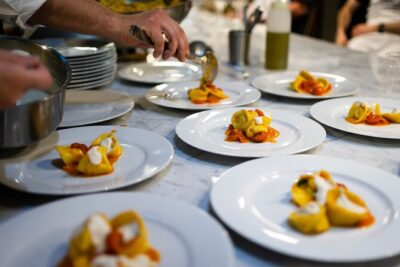
Your class begins with a seasonal starter. In some host setups, this can include a more substantial savory bite, like the combination of sautéed polenta with stracciatella and anchovy that one host prepared in their home kitchen. That kind of starter is a great way to set the tone, because it shows you how Milan-area ingredients can be bold and comforting at the same time.
A detail I really appreciate: some hosts also add an aperitivo moment before the main cooking. One class style includes an aperitif mixed by Fabio, which makes the start feel social and relaxed without turning it into a party that eats your cooking time.
If you like travel meals that feel like a real evening at someone’s place, this is where the experience starts clicking.
Main course hands-on options: pizzoccheri, risotto, or lasagna
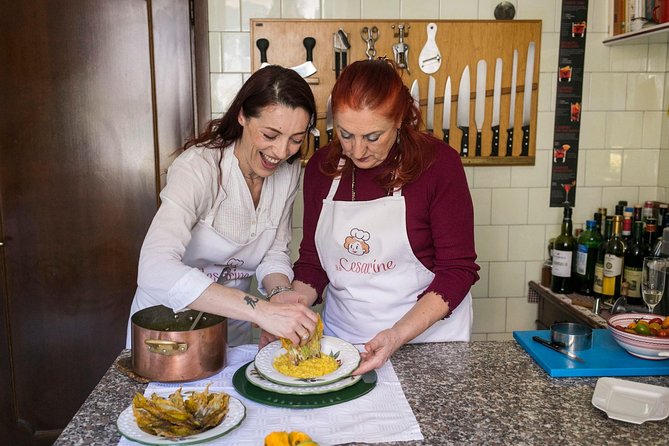
For the main course, you prepare one of these:
- Pizzoccheri
- Risotto
- Lasagna
Each one teaches different things, so pick the option you are most curious about.
Pizzoccheri: hearty comfort you can actually reproduce
Pizzoccheri are built for people who like thick textures and satisfying mouthfeel. If your host guides you through them, you’ll learn how the dough and cooking timing affect the bite. It is the kind of dish that tastes complex, but the method is learnable when you do it yourself.
Risotto: the patience lesson that pays off
Risotto is famous for a reason: it rewards attention. The method usually involves steady heat, careful stirring, and adding liquid so the rice releases the right starch. When you make it in a real class, you start understanding why people talk about timing instead of just ingredients.
Lasagna: structure, layers, and sauce control
Lasagna teaches a different skill set: layering and consistency. Even if you are not thinking about it while eating, the difference between good and great lasagna often comes down to moisture control and how evenly the layers cook. You will learn that the assembly step is not just busywork, it is flavor.
No matter which main you cook, the value is that you are practicing the method, not just chasing a one-time recipe.
Dessert finale: sbrisolona, tiramisu, or a typical local choice
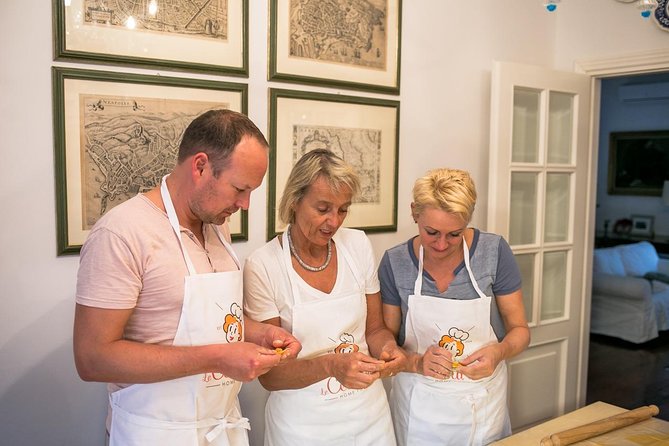
Dessert closes the experience in a way that feels satisfying, not rushed. You will make one of the listed options:
- Sbrisolona cake
- Tiramisu
- Or similar typical dessert
Tiramisu is the kind of classic where people often get results that are too soggy or too stiff. Making it yourself helps you understand how the texture should feel, and how the cream, soaking, and assembly work together.
Sbrisolona, on the other hand, is great for showing how Milan desserts can be rustic. It is the sort of cake where technique and texture matter, especially with how it comes together and how it breaks.
Either way, dessert is a chance to taste your work immediately, so you can connect what you did with how it ended up.
The sit-down tasting with local wine
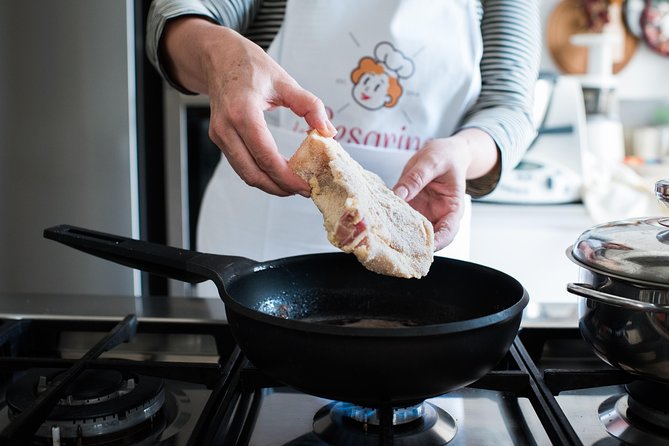
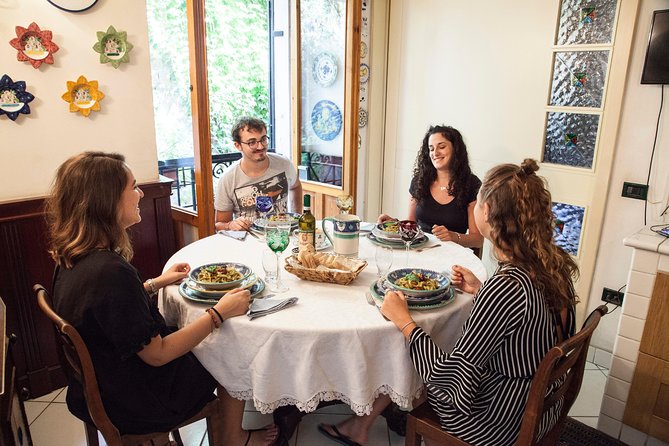
After you cook, you get to sit down and enjoy the meal you made. This is not a quick handoff, it is a proper tasting paired with a glass of local wine.
That matters for two reasons:
- You can evaluate the food while it is at its best temperature.
- You get the chance to ask questions as you eat, which is where hosts often share the small tips people usually skip.
In at least one class setup, hosts also share travel stories during the aperitivo and meal, so it can feel warm and personal instead of strictly instructional.
What makes the hosts matter: examples of the teaching style
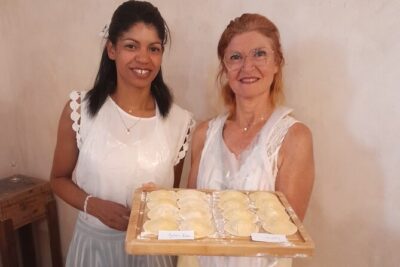
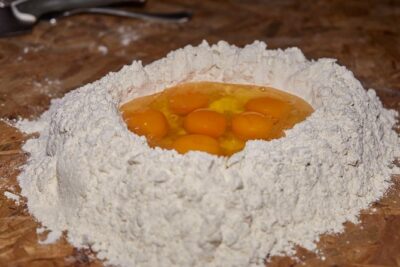
The names that show up in the experience style are telling. Fabio and Nicoletto are described as exceptional hosts, with a class that includes making fresh pasta like spinach and ricotta ravioli from scratch. Beatrice is noted for teaching with a focus on seasonal local ingredients, including different flours and how they behave. Sandra is praised for keeping things fun while also offering regional context, even suggesting a day trip to Desenzano del Garda.
You do not need to be a cooking nerd to appreciate this. What you want is a host who can translate technique into something you can repeat, and who does it in a way that feels friendly.
Price and value: what you are really paying for
At $174.61 per person for about 3 hours, this is not the cheapest food activity in Milan. But it can be good value because it includes:
- a private class in a local home
- hands-on instruction while you cook
- a meal you actually make
- pairing with local wine
Compare this to paying separately for a cooking class plus dinner, and you start to see why it can make sense. You are buying an experience where the kitchen, the food, and the eating moment are connected.
Also, the class is typically booked ahead, with an average booking window around 20 days in advance. That usually means demand is steady, so if you want a specific date, plan early.
Practical tips so the class feels easy (not stressful)
A home cooking class can feel different from a restaurant tour. Here are the things that make it smoother.
Arrive ready to cook
Wear comfortable clothes and shoes you do not mind getting a little flour-dust near. If you are used to sightseeing in clean outfits all day, treat this as a separate plan and dress accordingly.
Bring curiosity, not perfection
You do not need to be good at cooking. You just need to be willing to learn the method while you do it. If you mess up a step, it is still part of the teaching process.
Ask about what you taste
When the wine arrives and you sit to eat, ask why something works the way it does. If you cooked the risotto or assembled the lasagna, this is when you understand what your hands did to the final result.
Who should book this Milan class, and who should skip it
This fits best if you want:
- a hands-on food experience in a real local home
- a meal experience tied directly to what you made
- a private setting where you can ask questions and move at a comfortable pace
It may not fit if you want:
- a large group, city-guide style walking tour
- a restaurant menu where you can order exactly what you feel like
- a hands-off sightseeing day where cooking is mostly observation
If you are celebrating something, this is also a strong choice, because the sitting-down meal feels like an event.
Should you book this Milan cooking class?
I think this is a great booking for most travelers who like food and want something more personal than a standard restaurant dinner. The combination of private home instruction, a cook-to-eat structure, and local wine makes the time feel worthwhile.
Book it if you are open to cooking a set menu and you want techniques you can reuse at home. Skip it if you dislike being in a domestic setting, you want strict restaurant-style choices, or you know you will not enjoy hands-on prep.
If you do book, plan ahead, show up with comfortable clothes, and treat the meal as part of the lesson, because that is where the experience lands.
FAQ
Where does the cooking class take place?
The experience is in Milan, Italy, and it starts in Milan. It also ends back at the meeting point.
How long is the class?
The cooking class is approximately 3 hours.
Is this a private tour?
Yes. It is a private tour or activity, so only your group participates.
What dishes will I cook and eat?
You will prepare a starter, a main dish, and a dessert. The main is listed as pizzoccheri, risotto, or lasagna. The dessert is listed as sbrisolona cake, tiramisu, or a similar typical dessert.
Is the class offered in English?
Yes, the experience is offered in English.
Will there be wine with the meal?
Yes. After cooking, you sit down to enjoy the meal paired with a glass of local wine.
What is the cancellation policy?
Free cancellation is available up to 24 hours before the experience’s start time for a full refund. If you cancel less than 24 hours before, the amount paid is not refunded.
More Food & Drink in Milan
- Milan’s Authentic Street Food tour: A Gourmet Experience★ 4.5 · 717 reviews
- Small-Group Barolo Wine Tasting, Alba & UNESCO Piedmont Hills★ 5.0 · 689 reviews
- Milan: Guided Street Food Walking Tour with Food Tasting★ 4.8 · 654 reviews
Newly Listed




Cooking Classes, compared.
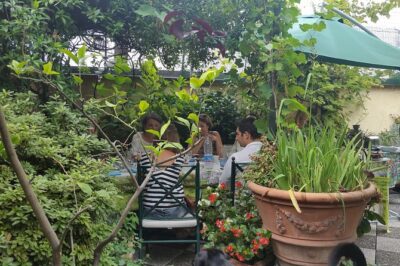
The Secrets to Learn Fresh Pasta and Tiramisù in a Glam Home
Read our review →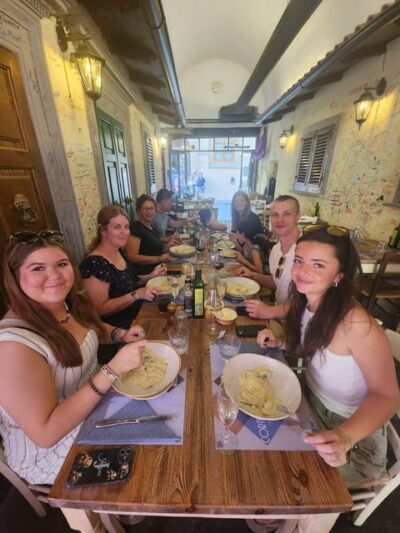
Pasta and Tiramisu Small Group Cooking Class with Wine
Read our review →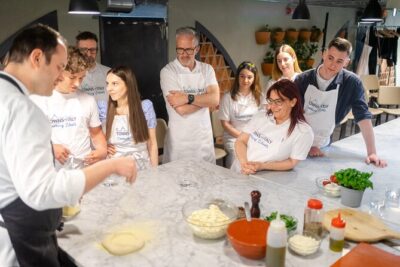
Milan Cooking Class: Authentic Pizza & Gelato Making
Read our review →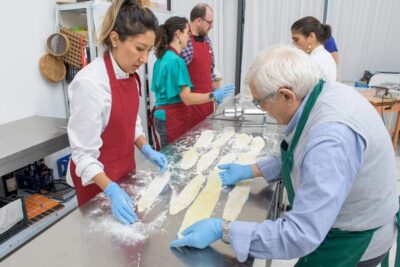
Milan Culinary Experience: Pasta & Gelato or Tiramisù Class
Read our review →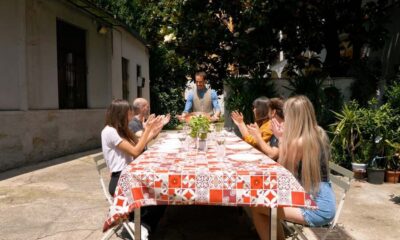
Small Group Cozy Cooking Class in a Typical Milanese Home.
Read our review →Browse the lists this tour appears in