
Reviewed · COOKING CLASSES
Cooking class The Rockin Kitchen
If you like your dinner with a soundtrack, this works. This hands-on class in a Milanese loft next to the famous Balera dell’Ortica turns fresh pasta into a timed, music-led lesson. I like the small group setup, and I also love how you make cappelletti and tagliatelle by hand instead of watching from the sidelines. One consideration: it is not a fit if you are vegan, need gluten-free, or have other food-medical restrictions.
I went in expecting cooking, and I ended up with a whole evening. Simone and Matteo run the session in English and Italian, and the music is used to guide pacing so you know when to move on to the next step. The kitchen is kept sanitized, and while the house is inhabited by cats, they are not present during the experience.
You are in and out in about 3 hours, starting with pasta prep, then a 40-minute aperitif, then finishing with your own tiramisu. If you hate messes or cannot stand flour in your clothes, plan to wear something you can live with.
In This Review
- Key points to know before you go
- Rockin Kitchen in a Milan loft near Balera dell’Ortica
- The hands-on menu: fresh pasta, cappelletti, tagliatelle, and tiramisu
- Simone and Matteo: how the lesson style keeps you on track
- The music-led pasta timing, from dough to shaped pasta
- Aperitivo in the middle: wine, piadina romagnola, and Italian snacks
- Cappelletti and tagliatelle: what you actually do with your hands
- Dessert payoff: tiramisu at the end of the night
- Price and value: is $112.15 reasonable for 3 hours in Milan?
- Who should book The Rockin Kitchen, and who should skip
- Practical tips for your 3-hour night in the loft
- Should you book this class or look elsewhere?
- FAQ
- How long is The Rockin Kitchen cooking class?
- What pasta dishes will I learn to make?
- Is wine included?
- What is included in the price?
- Is it suitable for vegans or gluten intolerance?
- Where is the meeting point and how do I get back afterward?
Key points to know before you go
- Song-timed pasta steps that help you keep pace and remember the procedure
- Small group limit of 10 so you actually get hands-on help
- Aperitivo included, with wine and piadina romagnola made in front of you
- Two pasta styles by hand, cappelletti plus tagliatelle
- Tiramisu for dessert, tasting what you made rather than just learning it
Try your hand at a Milanese craft
- Milan: Pasta and Tiramisu Cooking Class with Wine★ 4.8 · 1,106 reviews
- Gnocchi, Pasta, Tiramisù and Wine Class★ 5.0 · 691 reviews
- Milan: Pasta and Tiramisu Small Group Cooking Class with Wine★ 5.0 · 660 reviews
- Milan Cooking Class: Authentic Pizza & Gelato Making★ 5.0 · 582 reviews
- Milan: Italian Cooking Class with Food and Wine★ 4.7 · 509 reviews
Rockin Kitchen in a Milan loft near Balera dell’Ortica
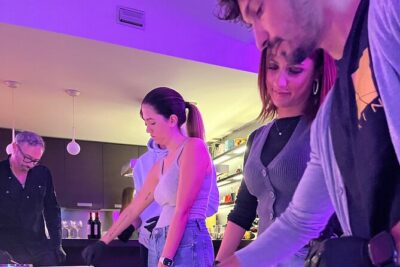
This is a Milan experience with an attitude. The class happens in a Milanese loft that sits adjacent to the well-known Balera dell’Ortica, so the setting feels like part kitchen, part evening scene. You are not stuck in a sterile classroom. You are inside a working food space where the goal is to keep the energy up and get you moving.
That matters because pasta making is not just about ingredients. It is about rhythm, texture, and repetition. When an instructor gives timing cues through a playlist, it changes how you learn. You are less likely to panic when the dough sticks, or when you are unsure whether you are supposed to rest, roll, or fill.
The group stays small, limited to 10 participants. That is a big deal. In bigger classes, you can end up waiting for help. Here, you can get feedback on how you shape dough, seal cappelletti, and handle the rolling process for tagliatelle.
One more nice touch is the environment: it is always sanitized, and the house is inhabited by cats but they are not present during the experience. If you are picky about cleanliness, you will likely feel comfortable.
The hands-on menu: fresh pasta, cappelletti, tagliatelle, and tiramisu
This is not a one-pasta workshop. It is a full cooking-and-tasting arc built around three main outcomes: two kinds of fresh pasta and a classic Italian dessert.
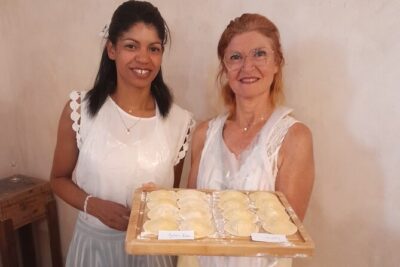
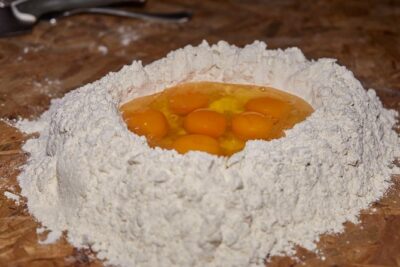
First, you learn how to prepare fresh pasta dough by hand. Then you make cappelletti and tagliatelle. Cappelletti gives you the satisfying work of shaping and filling small pasta pieces. Tagliatelle shifts the focus toward rolling and cutting, so you practice a different technique and texture control.
Dessert finishes the night: tiramisu. The value here is simple. When the dessert is part of the same evening, you taste the full payoff of your effort. You are not just leaving with recipes you might try someday. You are eating what you made that night.
And yes, there is an aperitif before the second pasta round. You get a 40-minute break that is built into the flow rather than something tacked on at the start.
Simone and Matteo: how the lesson style keeps you on track
The instructors, Simone and Matteo, teach in English and Italian. That dual-language setup matters for confidence. Even if you understand Italian cooking terms, you will still benefit from having key steps repeated in plain English.
Their style is practical. They guide you through each stage of pasta preparation, and they help you keep your hands doing the right thing at the right moment. When the pace is driven by a soundtrack, it is also easier to remember the sequence later. You can often replay the steps in your head because the song cues become mental anchors.
There is also a social angle built in. The class is described as engaging and fun, with companionship and music called out as major highlights. In a small group, that turns into a more relaxed learning vibe, not a stiff, sit-and-watch experience.
If you are the type who learns by doing, this kind of coaching suits you. If you want a silent, strictly technical workshop, you might find the music-driven method a little more playful than you expected. Most people, though, seem to enjoy the release valve it creates.
Other ways to fill a Milan itinerary
- The Secrets to Learn Fresh Pasta and Tiramisù in a Glam Home
★ 5.0 · 1,182 reviews - Milan Culinary Experience: Pasta & Gelato or Tiramisù Class
★ 5.0 · 337 reviews - Milan: Traditional Pasta and Tiramisù Masterclass
★ 5.0 · 307 reviews
The music-led pasta timing, from dough to shaped pasta
Here is what makes this class feel different: the soundtrack is studied for timing. The steps are defined by most famous songs to give you a rhythm. You are not just listening to music while you cook. You are cooking along with it.
That changes how difficult pasta making feels. Pasta dough can be forgiving, but it also punishes indecision. If you roll too soon, it can fight back. If you fill too quickly, you end up rushing the shaping. Song cues help you move through stages without constantly checking the clock or second-guessing yourself.
You start with pasta preparation in the loft. As you work, the instructors guide you through the process step-by-step, and the music keeps you from getting stuck. The goal is not perfection. The goal is confidence. By the time you reach cappelletti and tagliatelle, you should feel like you understand the logic behind the technique, not just the movements.
Also, flour is part of the deal. Even if you keep your station tidy, you may end up with traces on sleeves or pants. Wear clothes that tolerate a little mess. It is part of the experience, not a side effect you need to fear.
Aperitivo in the middle: wine, piadina romagnola, and Italian snacks
Before you switch from dough work to shaping and cutting, you get a 40-minute aperitif. This is more than a break. It is a reset, and it also supports the overall rhythm of the evening.
During the aperitivo, you taste good wine and you get piadina romagnola prepared live in front of you. On top of that, there are other topical Italian foods. The exact menu items beyond piadina are not listed, but the intent is clear: you get a savory, local-style snack lineup that pairs with wine and keeps you fueled for the next pasta stage.
Value-wise, this matters because many cooking classes focus only on the kitchen work. Here, the aperitif feels like part of the same evening culture: drink, talk, eat, then go back to cooking with steadier energy.
If you do not typically drink much, you can pace yourself. If you do like wine, it complements the lesson rather than turning the class into a drinking night.
Cappelletti and tagliatelle: what you actually do with your hands
This class breaks pasta learning into two distinct skills.
Cappelletti is your shaping and filling challenge. You practice making small filled pasta pieces, which means you need to work carefully enough to seal properly, while still moving at the evening’s pace. The instructors guide your technique, and the music helps you keep a steady rhythm so you are not constantly stopping.
Tagliatelle is a different kind of control. You roll and shape into longer strips. This stage is where you notice dough texture and handling. If your dough is too dry, it cracks. If it is too soft, it sticks and deforms. With the guidance and timing, you should understand the difference quickly.
The class is built for a small-group pace, limited to 10. That keeps the lesson from becoming chaos, which is important. Pasta making goes faster when everyone is coordinated, and slower when someone needs help finding their flow again.
When you finish shaping, you then taste what you made. That is a key part of the value. You get immediate feedback through flavor and texture, and you also leave with an evening memory that feels more real than a recipe book.
Dessert payoff: tiramisu at the end of the night
The night ends with tiramisu. Since the evening includes pasta making, aperitivo, and dessert, it feels like a complete Italian dinner experience rather than a cooking tutorial with food at the margins.
Tiramisu is also a smart ending choice because it is familiar but still deeply tied to Italian home cooking traditions. Eating it right after your pasta tasting makes the final segment feel like a reward for the work, not a random dessert handed to you.
And if you are tempted to judge cooking classes by the food quality, this one gives you multiple chances to form an opinion: aperitivo bites, your fresh pasta, and then tiramisu.
Price and value: is $112.15 reasonable for 3 hours in Milan?
At $112.15 per person, the price is not the cheapest way to spend a Milan evening, but it is easier to justify when you see what is included. You get:
- The cooking class itself
- Food throughout the experience
- Wine
- An apron
You also get a small-group setup and a full arc: pasta preparation, aperitivo with live food (piadina romagnola), two pasta types made by hand, and tiramisu. That is a lot for a 3-hour slot.
Where value can go wrong in some classes is when the meal is minimal or when “hands-on” is mostly theoretical. Here, the whole point is hands-on pasta work. The music timing is also part of the value because it is not just entertainment, it is a pacing tool that supports learning.
If you come to Milan mainly for museums, this is a different kind of cultural experience. It is about how Italians eat, talk, and celebrate daily food skills. For the right traveler, that is worth paying for.
Who should book The Rockin Kitchen, and who should skip
This class fits best when you want a fun, interactive evening and you learn by doing.
You should consider it if:
- You want to make fresh pasta with an instructor, not just watch
- You like the idea of music-led timing to help you follow steps
- You are okay with a lively atmosphere and a small group
- You enjoy wine and want a built-in aperitivo
You should skip or think twice if:
- You are vegan, since it is not suitable for vegans
- You need gluten-free options, since it is not suitable for people with gluten intolerance
- You have diabetes-related needs, since it is not suitable for people with diabetes
- You use a wheelchair, since it is not suitable for wheelchair users
- You are over 95, since it is not suitable for people over 95 years
Also consider practical comfort. You will be working with dough, flour, and kitchen mess. Wear something comfortable and expect you might need to touch up your outfit afterward.
Practical tips for your 3-hour night in the loft
A few small choices will make your evening smoother.
Start point: you meet by ringing the bell at Riva. If you are arriving early, take a moment to find the exact door, because you want to walk in when the lesson is already underway.
Timing: the experience runs about 3 hours. It includes the pasta prep, then a 40-minute aperitif, then the second pasta part, and it ends with tiramisu back at the meeting point.
Language: instructors teach in English and Italian. If you understand some Italian, you will still benefit, but you will not be left out if you do not.
What to wear: plan for flour. Even with careful handling, you are making hand pasta. Comfortable clothes and shoes you do not mind getting a bit dusty are the smart move.
Expect the vibe: the music is designed to guide timing and encourage dancing and singing. If you love that, you will likely have a great time. If you prefer quiet, you might find it a bit noisy.
Should you book this class or look elsewhere?
Book it if you want an evening that mixes real cooking skill with a social, music-driven approach. The small group limit, the fact that you make cappelletti and tagliatelle by hand, and the inclusion of aperitivo and tiramisu add up to strong value for the time.
Skip it if your needs are food-restrictive (vegan, gluten intolerance, diabetes) or if accessibility matters for you (not suitable for wheelchair users). Also skip if you dislike active, hands-on kitchen work.
If you fall into the first group, this is the kind of Milan experience that sticks. Not because it is flashy, but because you leave with pasta you made, dessert you ate, and a set of steps you can remember thanks to the song timing.
FAQ
How long is The Rockin Kitchen cooking class?
The experience lasts 3 hours.
What pasta dishes will I learn to make?
You will learn to prepare fresh pasta and create cappelletti and tagliatelle.
Is wine included?
Yes. Wine is included, and there is also a 40-minute aperitif period where you taste wine along with piadina romagnola and other Italian foods.
What is included in the price?
Included are the cooking class, food, wine, and an apron.
Is it suitable for vegans or gluten intolerance?
No. It is not suitable for vegans, people with gluten intolerance, or people with diabetes.
Where is the meeting point and how do I get back afterward?
You start at the Ring bell Riva. The activity ends back at the meeting point.
Newly Listed




Cooking Classes, compared.
The Secrets to Learn Fresh Pasta and Tiramisù in a Glam Home
Read our review →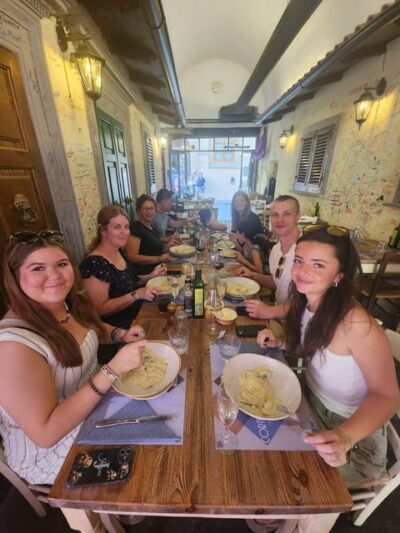
Pasta and Tiramisu Small Group Cooking Class with Wine
Read our review →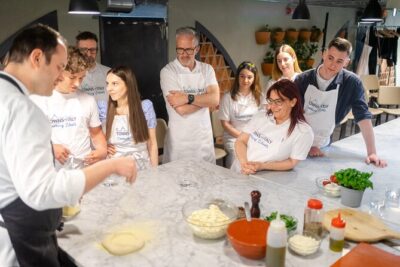
Milan Cooking Class: Authentic Pizza & Gelato Making
Read our review →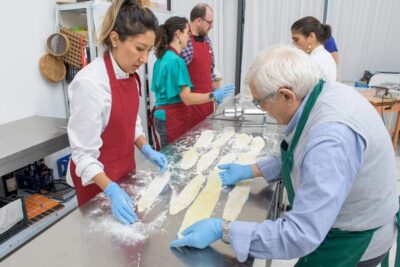
Milan Culinary Experience: Pasta & Gelato or Tiramisù Class
Read our review →
Small Group Cozy Cooking Class in a Typical Milanese Home.
Read our review →Browse the lists this tour appears in