
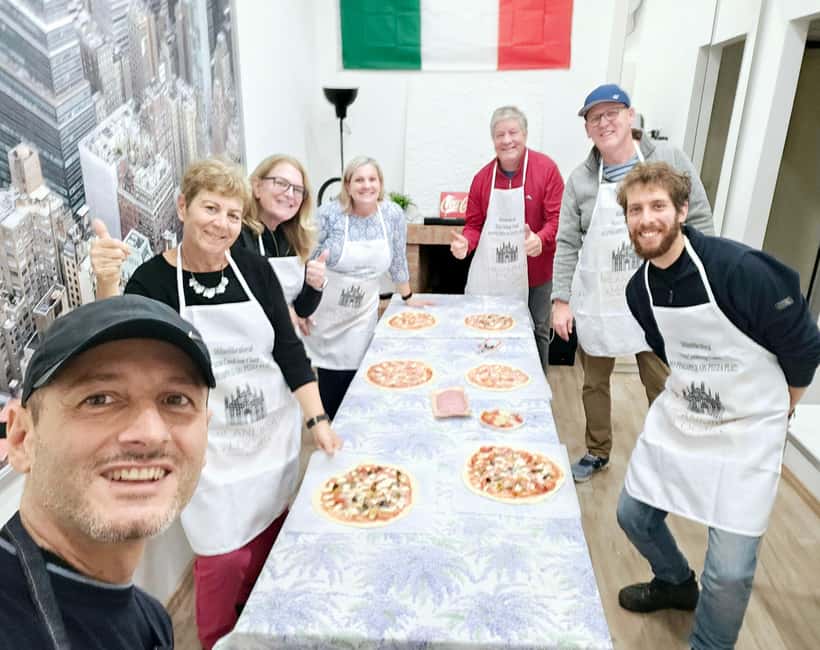
Reviewed · COOKING CLASSES
Mamma Mia – Bake The Real Italian Pizza
Homemade pizza starts with the right hands. This 2-hour Lombardy class in a private pizza studio is led by Armando Arena, and it’s built around learning how Italians actually make pizza, not just watching from your seat. I love the hands-on, interactive teaching style, and I love that you end with your own pizza as a satisfying meal, plus wine. One possible drawback to plan for: it’s not a public restaurant experience, so you’ll be fully in kitchen mode.
You’ll also get a fun, opinionated vibe. The class comes with a no-pineapple-on-pizza attitude, which might sound silly until you realize how seriously Italians take pizza texture, timing, and ingredients.
In This Review
- Key Points Worth Booking
- A Private Pizza Studio in Lombardy, Not a Public Restaurant
- Meet Armando Arena and Get the Italian Pizza Context
- What You’ll Cook: Different Flavours and a Real Main Meal
- Mixing Dough Like an Italian Home Cook
- Kneading Tips That Change Your Results at Home
- Baking for That Crunch You Can Taste
- Eating Your Work, Plus Wine Included
- The Recipe and Fun Facts You Actually Use
- Price and Value: Is $93 Per Person Fair?
- Who This Class Suits Best (and Who Might Not)
- Should You Book Mamma Mia Bake The Real Italian Pizza?
- FAQ
- Where does Mamma Mia – Bake The Real Italian Pizza take place?
- Is this experience held in a restaurant?
- How long is the pizza making class?
- What is included in the price?
- Does the class include wine?
- What languages is the instructor able to teach in?
- Who is the instructor and what about pineapple pizza?
Key Points Worth Booking
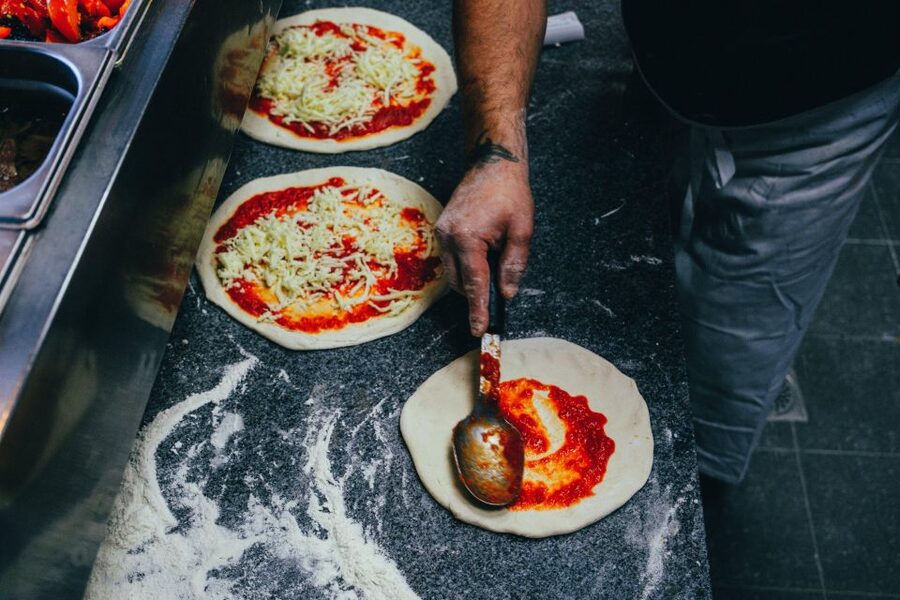
- Private studio setting where you work like a home cook, not a dinner audience
- Armando Arena’s teaching style, patient and clear, with hands-on help throughout
- Dough skills: mixing and kneading taught step by step so you understand what to feel for
- Bake-and-eat payoff: you enjoy the crunchy pizza right after learning to make it
- Wine and soft drinks included, so the class feels like dinner with a lesson
- Recipe take-home, plus pizza trivia and differences you can brag about later
Other ways to fill a Milan itinerary
- The Secrets to Learn Fresh Pasta and Tiramisù in a Glam Home★ 5.0 · 1,182 reviews
- Milan: Pasta and Tiramisu Cooking Class with Wine★ 4.8 · 1,106 reviews
- Milan: Pasta and Tiramisu Small Group Cooking Class with Wine★ 5.0 · 660 reviews
- Milan Cooking Class: Authentic Pizza & Gelato Making★ 5.0 · 582 reviews
- Milan: Italian Cooking Class with Food and Wine★ 4.7 · 509 reviews
A Private Pizza Studio in Lombardy, Not a Public Restaurant
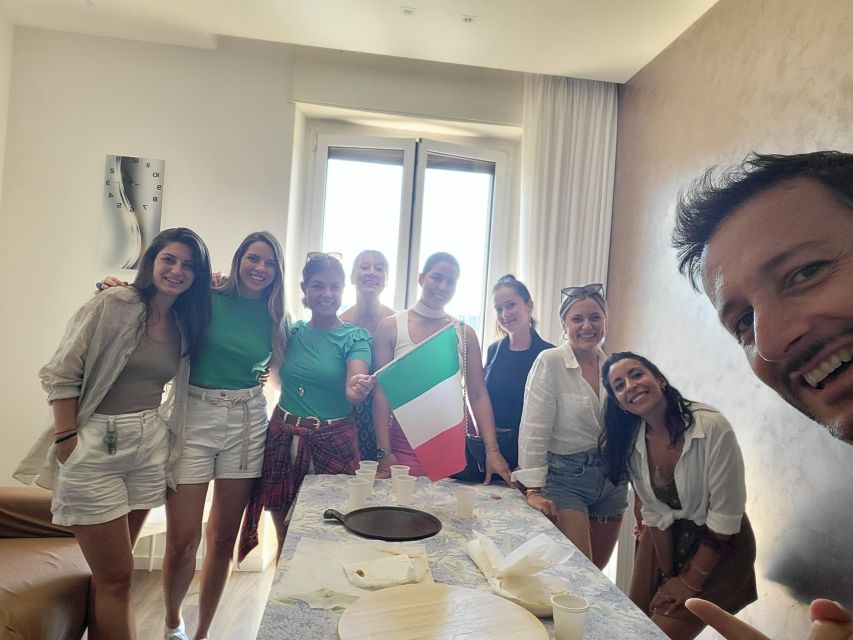
This experience happens in a private pizza studio in Lombardy. That matters more than it sounds. A restaurant class can feel rushed or more like a performance. Here, you’re in a kitchen setup built for cooking, so you can actually do the work: mix dough, knead it, then bake it.
And because it is private studio style, you also tend to get closer instructor attention. The teaching approach described by guests points to that relaxed but focused feel. Armando is known for being kind and patient, and for explaining things in a way that puts you at ease, even if you’ve never made dough before.
If you want a sit-back, scenic food tour, this is not that. It’s a cooking class where the fun comes from doing. If you’re excited by flour on your hands and learning by repetition, you’re in the right place.
Meet Armando Arena and Get the Italian Pizza Context
Before you touch dough, you get the background that makes the rest of the class click. Armando shares differences between pizza types and talks about how Italian cuisine varies across Italy. The point is not to overwhelm you with facts. It’s to help you understand why people care about crust texture, fermentation, and choosing the right method for the style.
From what guests highlight, this is where Armando’s personality really helps. People describe him as welcoming, supportive, and entertaining, with stories, songs, and humor that keeps things light while still educational. That blend is important. Pizza is one of those foods where the technique is simple but the results depend on small details. If you’re comfortable, you’re more likely to remember the key cues.
You’ll also get fun facts that go beyond the basics. Think: quick pizza distinctions you can explain at home, plus a better sense of how Italian cooking changes by region. Even if you only make pizza occasionally, this context makes your next attempt more intentional, not random.
What You’ll Cook: Different Flavours and a Real Main Meal
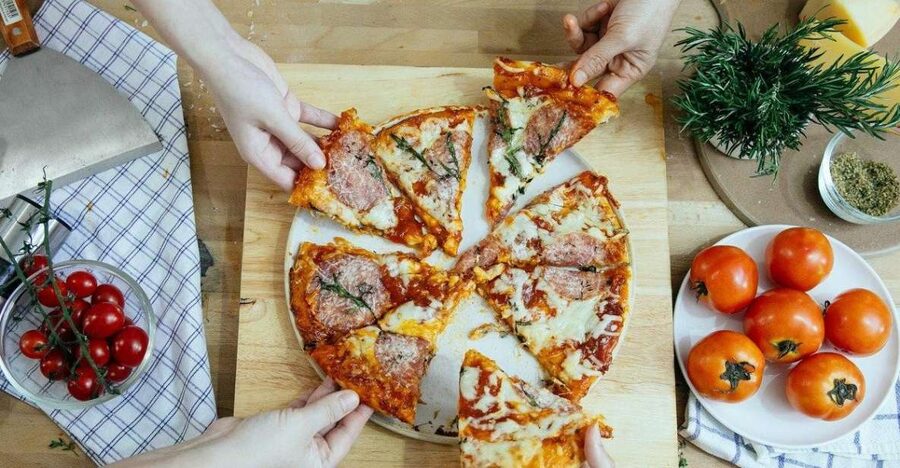
The experience includes pizza in different flavours, plus a main meal. So you’re not just tasting tiny bites. You’re actually eating what you helped make, in a structured class format.
That is one of the practical advantages of booking a class like this. If you only do a restaurant tasting, you may come away hungry and still unsure why your favorite slice works. Here, the meal is part of the lesson. You see dough behavior, learn the baking approach, and then taste the results immediately.
The included equipment means you’re not hunting for gear or guessing how to use it. The class also includes soft drinks, and wine is part of the deal too, which turns the cooking session into something closer to a home dinner night with a chef-guide.
One thing to watch is the expectation around pizza preferences. The class comes with a playful rule: no pineapple pizza eaters allowed. If you love Hawaiian-style pizza, you might want to keep that part of your personality on vacation. The upside is that you’ll probably become more curious about why Italians lean hard into ingredient choice and balance.
The Duomo is the start of the story, not the whole of it.
- Milan: Cathedral and Duomo’s Terraces Entrance Ticket
★ 4.6 · 61,054 reviews - Milan: City Sightseeing Hop-On Hop-Off Bus with Audio Guide
★ 4.0 · 6,256 reviews - Milan: Milan Cathedral Direct Entrance – Terrace Excluded
★ 4.5 · 5,782 reviews
Mixing Dough Like an Italian Home Cook
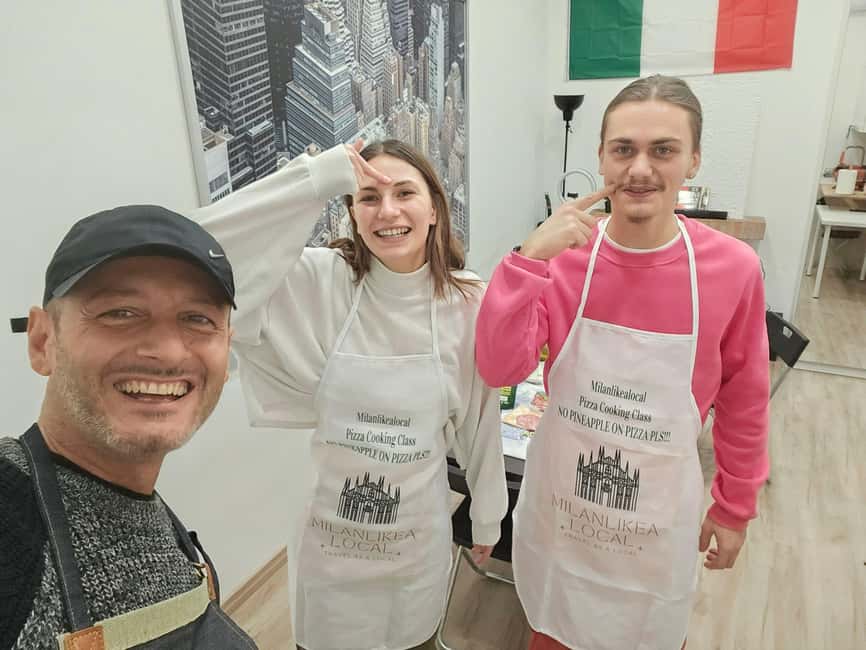
Dough is where most people get stuck. Even good bakers can struggle with texture and handling if they do not understand what they are aiming for.
In this class, you’ll learn how to mix your dough. Then you’ll knead it like a pro. The teaching approach described by guests emphasizes clear instructions, and individual help after demonstrations. That’s exactly what you need, because kneading is partly technique and partly feel.
Why this matters: once you learn what dough should look and feel like at each stage, you stop treating dough as a mystery. You start making adjustments based on reality, not guesses. That is how you get a crust that is crunchy in the right places, instead of dense or chewy in the wrong ones.
Also, you get to learn in a private studio environment. That means less waiting around. The pace described is that the time can feel like it flies by, because the class stays interactive and keeps you moving toward the end goal: baked pizza you can enjoy while it is still fresh.
Kneading Tips That Change Your Results at Home
Kneading might sound like one of those steps people oversimplify, but it’s central to texture. In this class, kneading is taught as a skill, not a chore. You get coached on how to handle dough properly and how to bake it to perfection afterward.
Guests repeatedly call out that the instructions are very clear and that the host takes time to help people feel comfortable. Even when a group is small, it’s not just a quick demo, then hands off. The teaching style is described as encouraging and supportive, with a lot of attention during the process.
So what should you pay attention to, as a future you making pizza at home?
- Watch how dough stretches and responds when you knead, not just how long you knead
- Trust the cues you learn in class, then reuse them later when you’re testing your own dough
- Treat kneading as part of the flavor and texture equation, not only a pre-bake task
If you’ve never made pizza before, this is a big confidence builder. Once you understand dough handling, most of the other steps become easier because you’re building on a foundation that actually works.
Baking for That Crunch You Can Taste
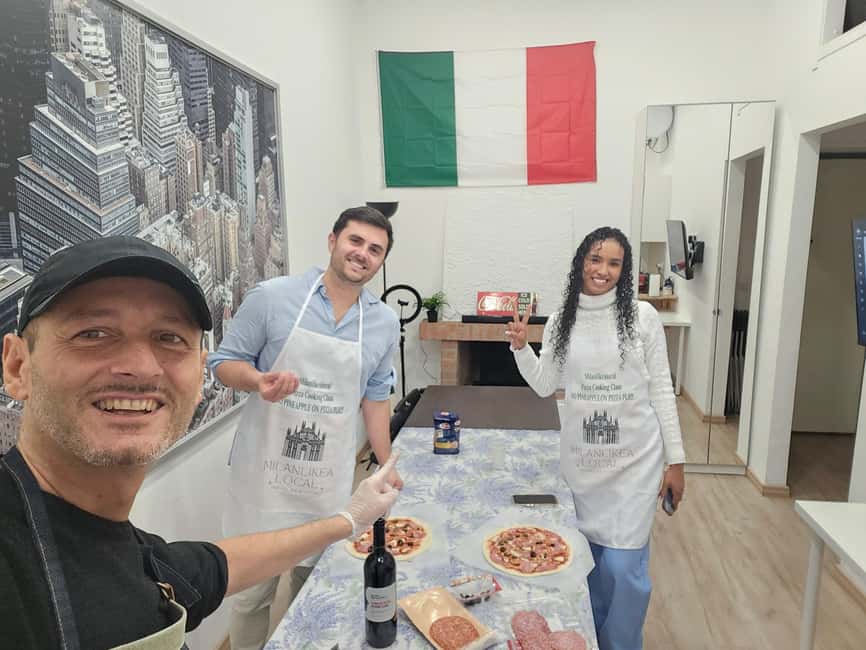
After mixing and kneading, it’s time to bake. The class is designed so you don’t just get theory. You see the oven process and learn how to bake to perfection.
Guests highlight the finished results, especially the crunchy, amazing taste of homemade Italian pizza. That feedback is valuable because it tells you this class is not only about technique. It’s about delivering flavor and texture.
Here’s what you can infer about why the pizza tastes right: when a class teaches dough prep with real instruction, the baking step has a chance to land. Under-mixed or mishandled dough makes baking harder. But when you start with dough you know how to handle, you’re more likely to get the kind of crust Italians aim for.
Also, the studio format helps. You’re not competing with a restaurant’s timing or kitchen chaos. The flow is built around your experience, so you can focus on learning the moment where pizza transforms.
Eating Your Work, Plus Wine Included
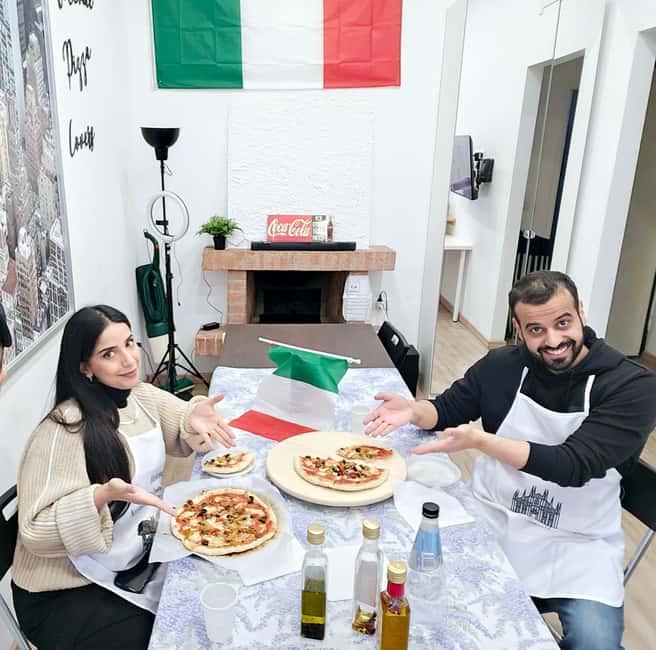
This is where the experience shifts from lesson to reward. Once you finish, you sit back and enjoy the fruits of your labor with a tasty glass of wine. Wine and soft drinks are included, and guests note that Armando keeps the wine flowing.
That matters because it changes the vibe. You’re not just eating quickly and leaving. You’re tasting and reflecting on what you learned. It’s also a fun way to connect with other people at the table, because pizza is a universal conversation starter.
You’ll likely appreciate how the class frames pizza as a main dish, not an appetizer snack. That makes the price feel more reasonable, because you’re not paying only for instruction. You’re also paying for an included meal with drinks.
If you’re a wine fan, this is a plus. If you’re not, soft drinks are included too, so you are not forced into a wine-heavy experience.
The Recipe and Fun Facts You Actually Use
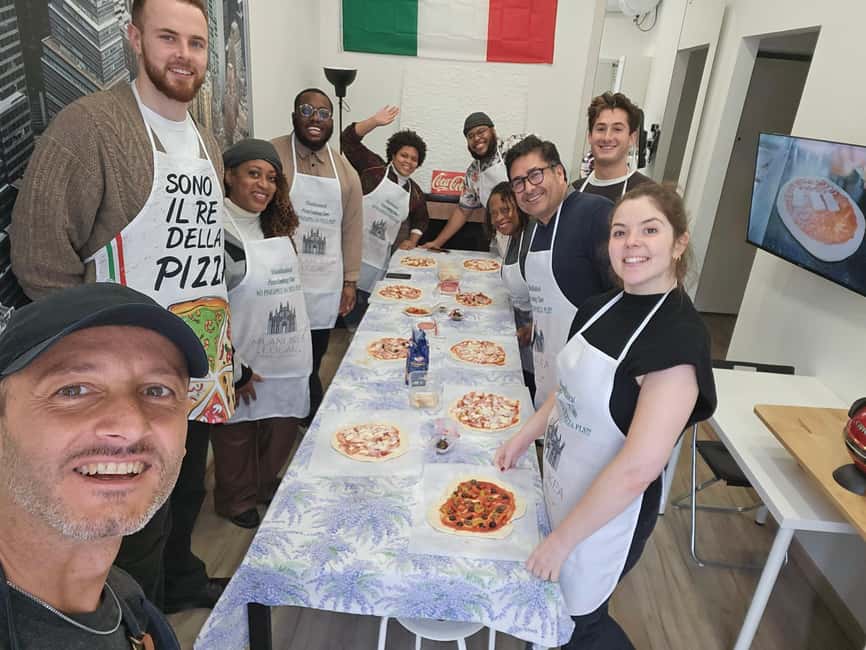
One of the best parts of this class is that you leave with the know-how, plus a recipe. That means you can recreate the process later, not just remember the taste.
Guests also describe Armando sharing recommendations for the rest of the trip, which adds a nice extra layer. Even without specifics on every suggestion, the fact that he talks shop with you in a thoughtful way is a good sign. A good host doesn’t only teach pizza. He helps you see the city through a local lens.
You’ll also pick up pizza trivia and differences in Italian cuisine across regions. Those are the kinds of details that make you feel more connected to the food, and less like you just consumed it.
Practical takeaway: if you plan a pizza night at home, this class gives you a starting point. The recipe plus the dough handling cues help you reduce the guesswork that usually turns homemade pizza into a one-time experiment.
Price and Value: Is $93 Per Person Fair?
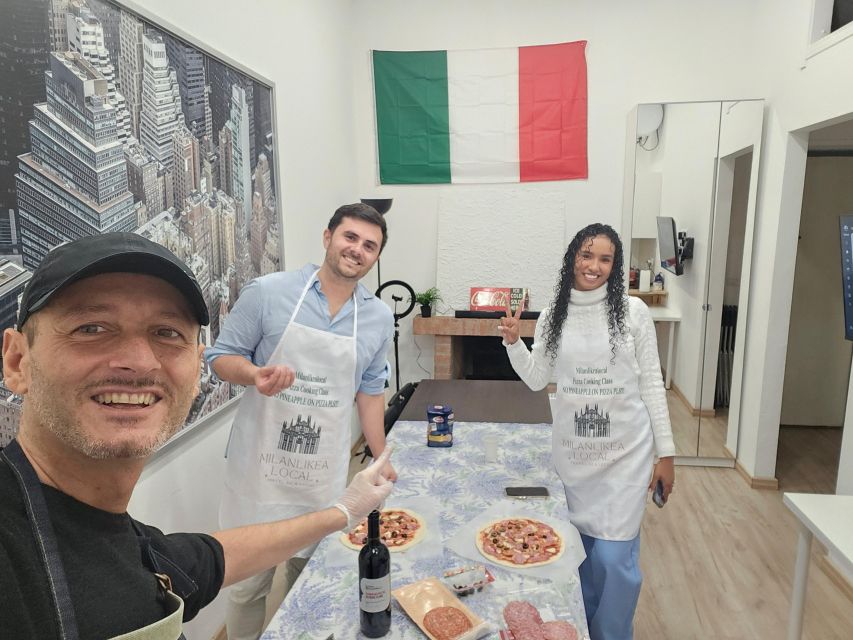
At $93 per person for a 2-hour experience, this class sits in the mid-to-high range for food activities. The value comes from what you get included:
- Pizza, served as a main meal, with different flavours
- Equipment to cook with
- Wine and soft drinks
- A recipe to take home
- A private studio setting led by Armando Arena
When you break it down, you’re paying for more than ingredients. You’re paying for guided technique, hands-on coaching, and a meal that uses what you made. If you’ve ever tried to learn pizza from random online videos, you know how hard it is to translate text and timing into real results. A live instructor turns that uncertainty into something you can actually feel.
So who gets the best value? People who want real skills, not only a taste. If you’re curious about dough, fermentation, crust texture, and how Italian pizza differs by approach, the class is a strong fit. If you only want a quick eat-and-leave experience, you might feel like you’re paying for a hands-on workshop you did not ask for.
Who This Class Suits Best (and Who Might Not)
This is ideal for:
- Foodies who want authentic method, not just a casual meal
- Beginners who need someone to coach kneading and explain the logic
- Couples or small groups who enjoy interactive activities and conversation
- Anyone who wants to take a recipe home and actually use it
It might be less ideal if:
- You want purely sightseeing and do not want cooking involvement
- You dislike any pineapple debate and would rather avoid that kind of playful rule
- You prefer learning through watching only, because this is hands-on by design
Because the instructor is described as patient and supportive, first-timers usually feel comfortable. And because the studio setting is private, it’s easier to get help when you need it.
Should You Book Mamma Mia Bake The Real Italian Pizza?
Yes, if you want a practical, authentic pizza-making experience in Lombardy where you learn and then eat what you make. The standout strengths are the interactive teaching style and the quality of the end result, especially the crunchy homemade pizza. Armando Arena’s approach is consistently described as welcoming, clear, and supportive, with extra touches like humor and trip recommendations.
Book it sooner if:
- You’re in town for a short stay and want a high-impact activity
- You want a mix of cooking skills, good food, and included wine
- You care about pizza method and crust texture, not only toppings
Skip it if:
- You’re hoping for a restaurant tasting with no hands-on cooking
- You strongly prefer a hands-off activity where you never touch dough
If you fit the first group, this class is one of those activities that pays off twice, once during the meal and again the next time you try pizza at home.
FAQ
Where does Mamma Mia – Bake The Real Italian Pizza take place?
The activity takes place at a private pizza studio in Lombardy, and you are welcome by the host.
Is this experience held in a restaurant?
No. It is in a private pizza studio, not at a public restaurant.
How long is the pizza making class?
The duration is 2 hours.
What is included in the price?
Included are pizza with different flavours, the main meal, equipment to cook, wine, soft drinks, and a recipe.
Does the class include wine?
Yes. Wine is included, along with soft drinks.
What languages is the instructor able to teach in?
The instructor speaks English, French, Italian, and Spanish.
Who is the instructor and what about pineapple pizza?
The instructor is Armando Arena. The class includes a playful rule that no pineapple pizza eaters are allowed.
Newly Listed



Cooking Classes, compared.
The Secrets to Learn Fresh Pasta and Tiramisù in a Glam Home
Read our review →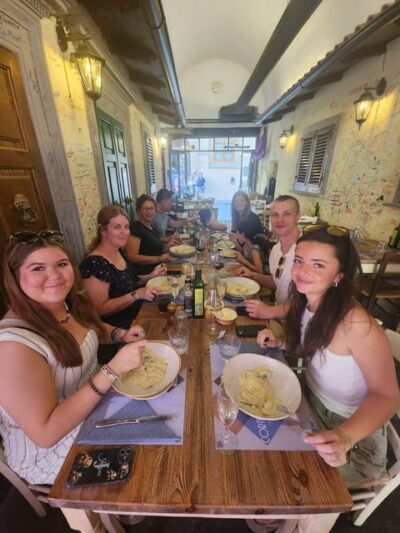
Pasta and Tiramisu Small Group Cooking Class with Wine
Read our review →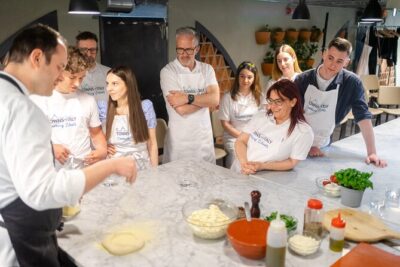
Milan Cooking Class: Authentic Pizza & Gelato Making
Read our review →
Milan Culinary Experience: Pasta & Gelato or Tiramisù Class
Read our review →
Small Group Cozy Cooking Class in a Typical Milanese Home.
Read our review →Browse the lists this tour appears in