
Reviewed · MUSEUMS
Milan: Street Art Tour of Ortica, Milan’s open air museum
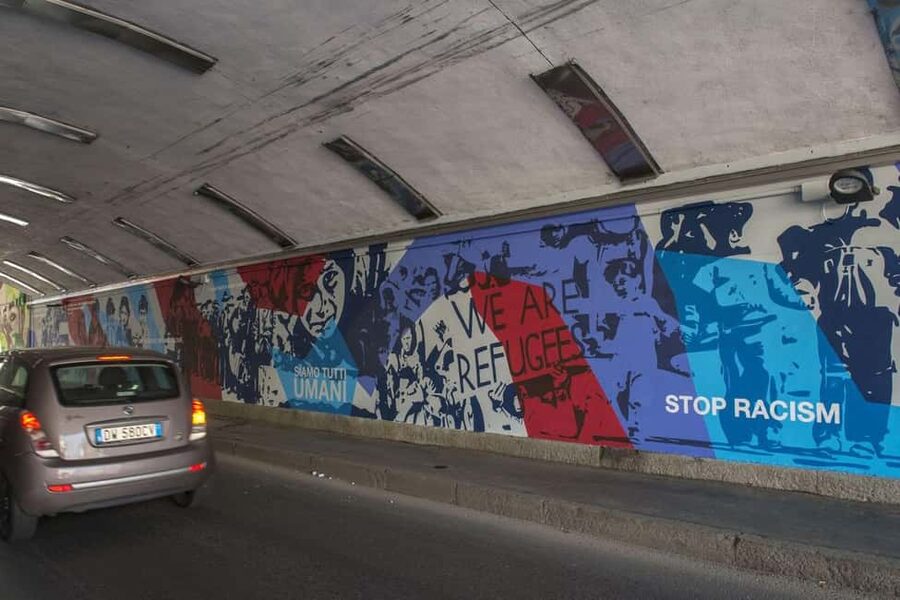
Milan’s walls tell stories if you know where to look. This Milan street art tour in Ortica turns a neighborhood walk into a guided lesson on how murals reshape places. You’ll focus on Ortica, Milan’s first open-air museum district, and the big Or.Me project murals that map the city’s memory onto real streets.
Two things I really like about this experience are the way it connects art to place, and the small-group format. With a local English-speaking guide and a group limited to 8, you get time to ask questions and actually look closely at the work, not just hurry past it. You’re also not treated like an outsider looking in, you’re guided to notice how street art came from the street and became part of community identity.
One possible drawback to consider: it’s a 2-hour walk, so if you’re hoping to see endless houses covered wall-to-wall, this may feel selective. The walk is packed with meaning and explanation, which is great for context, but it can mean fewer stops than a street-art “photo safari” would.
In This Review
- Key Things to Know Before You Go
- Why Ortica Is Milan’s Street-Art Open-Air Museum
- Meet at Argonne and Get Oriented Fast
- Or.Me. Project: How Murals Turn Community Memory Into City Story
- Learning Street Art’s Timeline, Techniques, and Real Impact
- Breaking Down the 2-Hour Walk, Stop by Stop
- Photo-Friendly, but Respect the Neighborhood
- Price and Value: Is $49 Worth a 2-Hour Walk?
- Who This Tour Suits Best, and Who Might Want a Different Style
- Should You Book This Ortica Street Art Tour?
- FAQ
- How long is the Milan Ortica street art tour?
- What does the tour cost?
- Where do I meet the guide?
- What language is the tour guide?
- Is the tour wheelchair accessible and how big is the group?
- What is the cancellation policy and the reserve option?
Key Things to Know Before You Go
- Ortica is Milan’s first open-air museum district, shaped by rail lines, viaducts, and the Lambro River.
- The focus is the Or.Me. (Ortica Memoria) murals by Orticanoodles, with over 20 large-scale works.
- Your guide ties street art to real themes, like workers, musicians, activists, and forgotten figures.
- Expect a mix of graffiti history, techniques, and how street art changed public spaces.
- You’ll get multiple photo stops plus a short free-time window to revisit your favorites.
- This is built for small groups (up to 8) with an English live guide.
Somewhere to duck into when it rains
- Milan: Leonardo3 The World of Leonardo Museum Entry Ticket★ 4.4 · 3,241 reviews
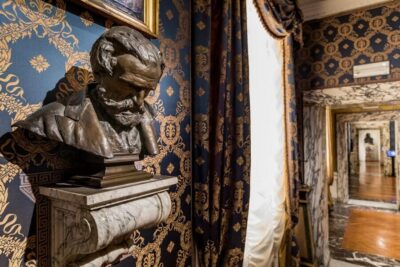
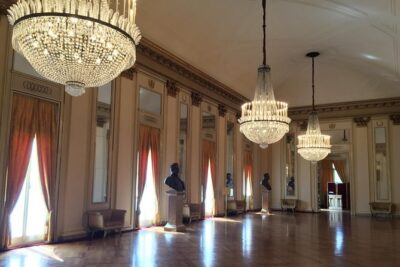
- Milan: La Scala Theater & Museum Guided Experience★ 4.1 · 2,931 reviews
- Milan: La Scala Theater and Museum Tour with Entry Tickets★ 4.7 · 1,722 reviews
- Milan: Pinacoteca Ambrosiana and San Sepolcro Crypt Ticket★ 4.6 · 1,331 reviews
- Casa Milan: Museum Entry Ticket★ 4.6 · 969 reviews
Why Ortica Is Milan’s Street-Art Open-Air Museum
Ortice, or Ortica as locals say, is the kind of place that makes you rethink what a “museum” can be. Instead of starting with a ticket line and a quiet hall, you start with streets and walls that already exist. Ortica became Milan’s first open-air museum district because the neighborhood itself became the canvas.
What makes this area worth your time is the contrast. Ortica used to be a more isolated, working-class fringe shaped by viaducts, railway tracks, and the Lambro River. Over the last decade it’s shifted dramatically, and murals have been part of that change. The street art isn’t just decoration, it’s a visible sign of transformation, identity, and community voice.
And the best part is that you don’t just see big paintings. You learn why those images matter, who they represent, and why they were made in the first place. Milan is often described as gray, but on this walk, it starts to read like a city that’s documenting itself in color.
Meet at Argonne and Get Oriented Fast
Your meeting point is simple: outside metro stop Argonne (Line 4). The guide will be there with the agency logo, so you can find the group without guesswork.
From there, you start with a short guided introduction. That first chunk matters more than it sounds. Street art can be confusing if you only treat it like visuals. In a place like Ortica, the guide helps you understand what you’re about to see: what kinds of works exist here, what styles mean, and how the murals connect to the broader street-art story in Milan.
A small group also changes the feel. With up to 8 people, you can hear the guide clearly and you’re not constantly squeezed around for photos. That’s also where the tour really earns its keep, because you’re encouraged to look closely, not just snap and move.
Or.Me. Project: How Murals Turn Community Memory Into City Story
At the heart of Ortica’s street art scene is the Or.Me. project (Ortica Memoria), a monumental urban art initiative by the artist collective Orticanoodles. Over 20 large-scale murals cover themes tied to Milan’s collective memory, including heroes, workers, musicians, activists, and figures that history often forgets.
This is where the tour goes beyond “pretty murals.” Each mural is part of a larger storytelling effort, and that word storytelling matters. The project includes involvement from local residents, which helps explain why the work feels rooted instead of imported. It’s not just someone painting from a distance, it’s a neighborhood sharing its own version of identity.
You’ll hear about stories connected to the works, including anti-fascist partisans, jazz legends, factory workers, and feminist icons. Those themes are broad, but the guide’s job is to connect them to what you can actually see on the wall. That’s how murals become a kind of public archive.
If you’re the type who wants your travel experiences to mean something, Or.Me is a strong match. The art is big enough to impress at a glance, but it also rewards slower looking with context.
The Duomo is the start of the story, not the whole of it.
- Milan: Cathedral and Duomo’s Terraces Entrance Ticket
★ 4.6 · 61,054 reviews - Milan: City Sightseeing Hop-On Hop-Off Bus with Audio Guide
★ 4.0 · 6,256 reviews - Milan: Milan Cathedral Direct Entrance – Terrace Excluded
★ 4.5 · 5,782 reviews
Learning Street Art’s Timeline, Techniques, and Real Impact
The guide doesn’t treat street art like a single style. You’ll learn about the history, origins, present, and future of street art, and you’ll also pick up how the scene evolved in Milan.
A key theme you’ll get is how street art moved from underground rebellion toward recognized public culture. You’ll hear how graffiti and murals shifted in meaning as they became part of the urban conversation instead of just something you saw at the edges.
Another practical value: you’ll learn the techniques and styles used by today’s street artists. Even if you don’t care about spray caps, stencils, tags, or composition, knowing what you’re looking at makes the murals easier to read. It helps you notice why one piece looks more like a portrait and another feels more like protest, or why a wall might use symbols instead of literal scenes.
Most importantly, the tour frames street art as a driver of urban regeneration. In other words, murals can change how people feel about a neighborhood. They can also change how people walk through it, talk about it, and see themselves inside it. That’s a big claim, but in Ortica you can watch the logic unfold street by street.
Breaking Down the 2-Hour Walk, Stop by Stop
This is a 2-hour experience, so every segment has a job. Here’s how the time typically flows and why it works.
1) Starting walk and orientation (about 15 minutes)
You begin near Argonne with quick orientation. This is where the guide sets expectations and helps you understand what Ortica became, and why street art became part of that story. If you’ve ever felt lost on art walks, this first stretch is meant to prevent that.
2) Deep focus in Ortica (about 45 minutes)
This is the main viewing block. Expect a guided route through Ortica’s backstreets and hidden alleys where the murals and messages show up most clearly. This is where you’re guided to admire the most creative, evocative, and significant works.
This segment is also where the guide’s personality matters. Two names from past guides stand out in the feedback I was given: Lucy and Luca. Both come up as people who keep things engaging and easy to talk to, which matters on a walk like this because you may want context, not just descriptions.
3) Photo stop in Ortica (about 10 minutes)
You’ll get time to take photos without feeling rushed. This is useful because street art can be tricky to shoot well while walking. Use this window to try a couple angles, get close-ups of details, and then step back for the full wall.
4) Short free time (about 10 minutes)
You’re given a little breathing room to revisit what you liked. For most people, this is when you return to the mural that clicked and spend extra time reading the visual story. It’s also a chance to cool down if it’s warm, or to regroup if you want to compare notes with your group.
5) More guided segments (about 20 minutes, then about 10 minutes)
After the free time, you continue with more explanation and more murals. This pacing keeps the tour from turning into one long lecture. You get a structured route, then a personal pause, then more guided looking.
6) Viewpoint photo stop (about 10 minutes)
The walk ends with a viewpoint stop. Even without getting a big formal “view” speech, it’s a good closing move because you can step back and see the area in context. It also gives you one last chance to capture the neighborhood and not only the murals.
Photo-Friendly, but Respect the Neighborhood
Street art is meant to be seen. It’s also part of a real neighborhood, not an outdoor theme park. The tour encourages photography, but you’ll want to be mindful as you shoot: don’t block doorways, don’t climb on anything, and keep to the walking flow.
If you care about getting better photos, this tour’s timing helps. The structured photo stops mean you’re not juggling navigation, listening, and camera settings all at once. You can focus on composition during the moments built for it.
Also, wear comfortable shoes. Ortica is a walking tour, and it’s the kind of neighborhood where you’ll want grip and comfort, especially if the streets are damp. Weather matters, too. If conditions are bad, the tour may be rescheduled, so check forecast basics before you go.
Price and Value: Is $49 Worth a 2-Hour Walk?
At $49 per person for 2 hours, the price lands in the “reasonable if you like context” category. You’re paying for a guide, plus organized time in a specific neighborhood focused on the most significant works.
What makes it feel like value is the scope of what you get for the time:
- a guided walk through Ortica’s street art highlights
- explanations of history, techniques, and impact
- focused attention on the Or.Me. murals by Orticanoodles
- multiple photo opportunities built into the route
- a small group limited to 8, which often means better interaction with the guide
What you don’t get is transportation or food, so plan to arrive on your own (Argonne makes that easy if you’re using Metro Line 4) and keep a light snack plan for later if you need it. Still, for many people, skipping food on the tour is fine because the main event is the walk and the art.
If your goal is to see street art quickly with minimal storytelling, this might feel pricier than a self-guided stroll. If your goal is to understand what you’re looking at and why Ortica’s murals matter, then $49 for two hours can be a solid deal.
Who This Tour Suits Best, and Who Might Want a Different Style
This tour fits you best if you like street art with context. It’s for people who want to know where graffiti comes from, how it developed in Milan, and what public murals mean for community identity and urban change.
You’ll likely enjoy it if:
- you’re curious about how art intersects with social themes
- you want a guided route through the Ortica district highlights
- you like photo time but also want a real explanation of what you see
- you prefer small groups and an English live guide
One group you might reconsider is if you want a maximum number of murals with minimal talking. The tour is guided and timed, and there is a real chance you’ll want more wall space than the schedule covers. One piece of feedback pointed out a wish for more street-art houses. That’s a fair consideration if your dream is to tick off as many buildings as possible.
Should You Book This Ortica Street Art Tour?
I’d book it if you want Milan street art that feels grounded in real neighborhoods and real stories. Ortica’s transformation, the Or.Me project themes, and a small-group English guide are a strong combo for value. It’s also a great way to see murals without getting lost in the “what am I looking at” confusion.
I would hesitate if your priority is purely quantity of murals or if you dislike guided walking on a set schedule. It’s a tight two hours, so plan to use it as a focused art education and photo session, not an all-day street art hunt.
If you like street art as culture, not just aesthetics, this is one of the smarter ways to spend time in Milan.
FAQ
How long is the Milan Ortica street art tour?
The tour lasts 2 hours.
What does the tour cost?
The price is $49 per person.
Where do I meet the guide?
Meet outside metro stop Argonne (Line 4). The guide will be there with the agency logo.
What language is the tour guide?
The live tour guide speaks English.
Is the tour wheelchair accessible and how big is the group?
Yes, the tour is wheelchair accessible. The group is limited to 8 participants.
What is the cancellation policy and the reserve option?
You can cancel up to 24 hours in advance for a full refund. You can also reserve now and pay later.
Newly Listed


Museums, compared.
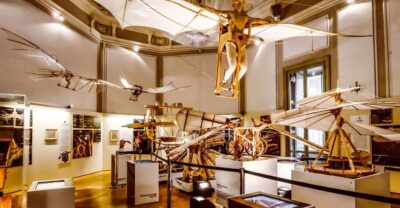
Leonardo3 The World of Leonardo Museum Entry Ticket
Read our review →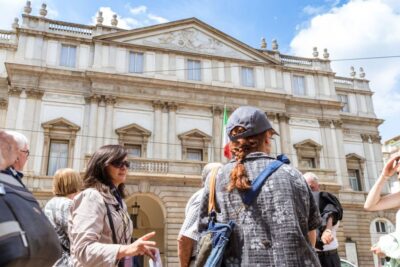
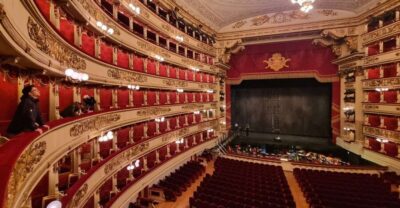
La Scala Theater and Museum Tour with Entry Tickets
Read our review →
Pinacoteca Ambrosiana and San Sepolcro Crypt Ticket
Read our review →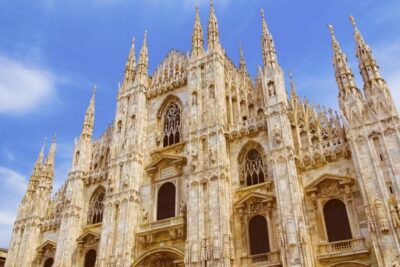
Cathedral, Archeological Area and Museum Ticket
Read our review →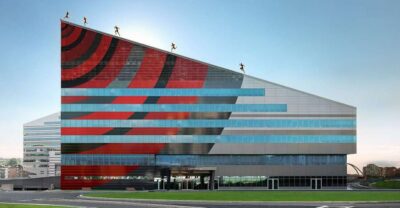
La Scala Theatre and Museum guided experience
Read our review →Browse the lists this tour appears in