
Reviewed · WINE TOURS
3 Italian sparkling wines and how to distinguish them: Prosecco, Franciacorta..
Bubbles can be technical, and fun. This 2-hour Milan class helps you read Italian sparkling wine like a pro, tasting styles made by different methods and learning what changes the bubble size, flavor, and price. I like that the guide breaks down key terms like dosage and perlage in plain language, and I also like the built-in bonus of a great Milan view while you taste.
The only potential downside is that this is not a long, wandering city tour. It is a focused tasting and method lesson, so if you want mostly sipping with zero wine talk, you might find it more structured than you expected.
In This Review
- Key Highlights You Will Care About
- Why Milan Is a Smart Base for Prosecco vs Franciacorta
- Piazza Fontana Meet-Up, Then You Get Set Up for Tasting
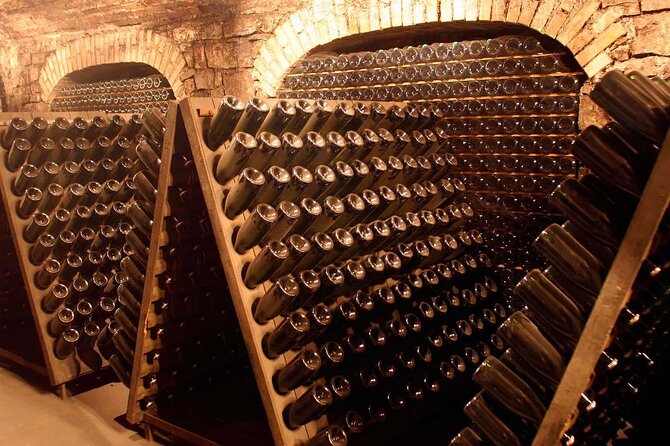
- How the Three Italian Sparkling Methods Change the Bubble Story
- Prosecco and Franciacorta: What to Taste, and What to Look For
- Prosecco (Charmat or Martinotti lane)
- Franciacorta (traditional method lane)
- The value of seeing them side by side
- Dosage and Perlage: The Two Terms That Change How You Taste
- Dosage
- Perlage
- How Quality and Price Connect to Production Technique
- What the Two-Hour Timing Gets You (and What It Does Not)
- The Milan View Factor: Learning Feels Better Outside a Shop
- Who Should Book This Sparkling Wine Class
- Quick FAQ for Your Planning
- FAQ
- What is the main focus of this experience?
- Which wines will I taste?
- How long is the tour?
- Where does it start and where does it end?
- Is the tour offered in English?
- Is this a private tour?
- What happens if someone is under the legal drinking age in Italy?
- Should You Book It?
Key Highlights You Will Care About
- Three methods, one clear comparison: ancestral style, Charmat-Martinotti, and traditional method show up in your glass, side by side.
- Prosecco and Franciacorta are front and center so you can connect what you buy to how it is made.
- Real tasting vocabulary: you leave knowing what dosage, perlage, and the method names mean on the label.
- Beginner-friendly approach: you can ask questions without feeling out of place.
- A Milan setting that feels like a break: you taste and learn with city views, not in a basement classroom.
- Private tour feel: it is just your group, led in English.
More bottles from the regions nearby
- Milan: Pasta and Tiramisu Cooking Class with Wine★ 4.8 · 1,106 reviews
- Gnocchi, Pasta, Tiramisù and Wine Class★ 5.0 · 691 reviews
- Small-Group Barolo Wine Tasting, Alba & UNESCO Piedmont Hills★ 5.0 · 689 reviews
- Milan: Pasta and Tiramisu Small Group Cooking Class with Wine★ 5.0 · 660 reviews
- Milan: Italian Cooking Class with Food and Wine★ 4.7 · 509 reviews
Why Milan Is a Smart Base for Prosecco vs Franciacorta
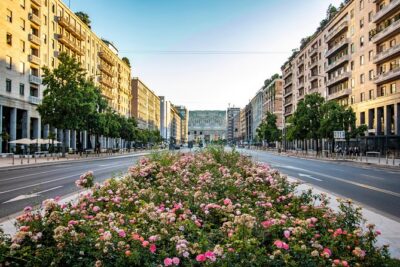
Milan is not only for shopping and sleek espresso bars. It is also a great place to learn wine, because Italian sparkling wine is a big deal here, and you can turn a short afternoon into something practical.
This experience is built around one goal: helping you distinguish Italian sparkling wines by method, not by marketing fluff. That matters because two bottles can both be called sparkling, but they can taste totally different in your mouth. The bubble feel, the fruit level, and even how food-friendly the wine is can swing based on how it is made.
I like that the tour keeps the focus on what you can sense. You are not memorizing a chart. You are training your eyes and nose for clues you can actually use later when you buy a bottle.
Piazza Fontana Meet-Up, Then You Get Set Up for Tasting
You start at Piazza Fontana, right in central Milan (5:00 pm), and the activity ends back at the meeting point. That makes it easy to fit into your schedule, especially if you are arriving from lunch or planning dinner afterward.
It also helps that the meeting point is near public transportation. You are not stuck with a complicated first step. And since this is offered in English with a private group setup, you are not competing with a noisy crowd for attention.
One thing I always appreciate in a tasting class is the pacing. Two hours is long enough to learn, but short enough that you stay alert. You will spend that time tasting and connecting each method to what you notice in the glass.
How the Three Italian Sparkling Methods Change the Bubble Story
The heart of the experience is comparing three approaches. You will taste wines tied to:
- Ancestral style (often linked to gentle, traditional bubble creation)
- Charmat method / Martinotti method (often associated with fresher, fruit-forward styles)
- Traditional method / classic method (the one you usually hear about when people talk about refined, complex bubbles)
Even if you never plan to become a wine nerd, this framework helps you shop smarter. Instead of guessing, you can predict the direction of the flavor.
Ancestral style wines tend to feel more lightly built in the glass, and the bubbles can come across in a less polished way than the other methods. The point of tasting it is not to rank it as better or worse. It is to understand how the method shapes the texture and the overall feel.
Charmat-Martinotti is the speedier route compared to the full traditional method. That often translates to a fresher, more immediate vibe. If you like crisp, lively sparkling that pairs well with simple food, this is the lane where many people fall in love.
Traditional method wines, the ones tied to longer, more detailed production, tend to develop more depth. You usually notice finer bubble texture and more layered aromas. That does not mean it is always more expensive, but it often supports higher price points when producers aim for complexity.
The Duomo is the start of the story, not the whole of it.
- Milan: Cathedral and Duomo’s Terraces Entrance Ticket
★ 4.6 · 61,054 reviews - Milan: City Sightseeing Hop-On Hop-Off Bus with Audio Guide
★ 4.0 · 6,256 reviews - Milan: Milan Cathedral Direct Entrance – Terrace Excluded
★ 4.5 · 5,782 reviews
Prosecco and Franciacorta: What to Taste, and What to Look For
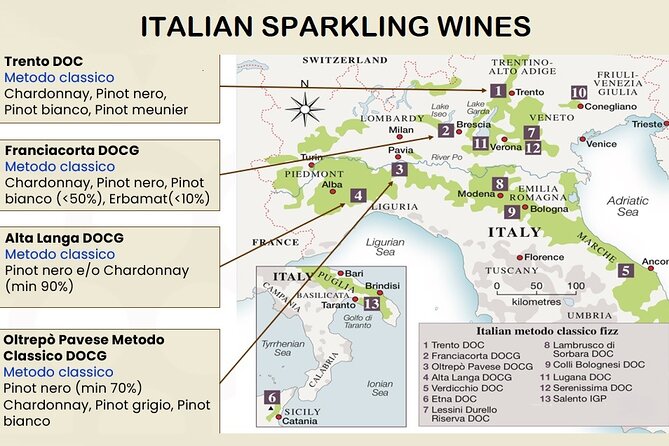
Two bottles anchor the comparison: Prosecco and Franciacorta.
Prosecco (Charmat or Martinotti lane)
Prosecco is often your entry point into Italian sparkling. But after a lesson like this, you stop treating it as one flavor and start thinking in terms of method.
Here is what you will likely focus on during the tasting:
- how the bubbles feel on your tongue (more lively and straightforward is common)
- how fruit shows up (more apparent and immediate)
- how the wine finishes (fresh, clean, and easy to drink tends to be the direction)
The practical payoff is that you can buy Prosecco with more confidence. You will know which style of Prosecco you actually like, rather than just buying whatever looks cheapest that week.
Franciacorta (traditional method lane)
Franciacorta is in a different sparkling world. It is made using the traditional method, the same broad approach that supports Champagne-style complexity.
During your tasting, the key is to notice:
- whether the aromas feel more developed
- whether the bubbles feel finer or more integrated
- whether the finish lingers with more texture
This is where many people realize that sparkling can be serious, not just celebratory. If you have ever wondered why some sparkling wines feel fancier without being heavy, Franciacorta is often part of the answer.
The value of seeing them side by side
I really like this setup because it trains your palate quickly. You are not just learning terms in theory. You are tasting a familiar name (Prosecco) and a more premium, method-driven one (Franciacorta), then comparing them using the same sensory checklist.
Dosage and Perlage: The Two Terms That Change How You Taste
The guide also spends time on terms that can feel abstract until you hear them explained during a sip.
Dosage
Dosage is often tied to how sweet or dry a sparkling wine tastes. It can shape your perception of fruit, balance, and whether the wine feels sharp or rounded.
Even if two bottles are both sparkling, dosage can change the conversation in your mouth. A slightly higher dosage can make the wine feel more generous and soft. A drier style can feel more focused and crisp.
This is useful for buying because sweetness is not always obvious from the label alone. When you know dosage conceptually, you can taste for it.
Perlage
Perlage is the bubble characteristic. It is not just “are there bubbles.” It is also how the bubbles present themselves: size, persistence, and how they behave.
Perlage can make a sparkling wine feel refreshing or more elegant. It can also affect how the wine matches food. A wine with more delicate perlage often feels like it plays nicely with finer dishes, while lively perlage tends to work great with lighter, fresher flavors.
Learning these terms during tastings means you stop guessing and start describing what you feel. That is the kind of skill you keep for every future bottle.
How Quality and Price Connect to Production Technique
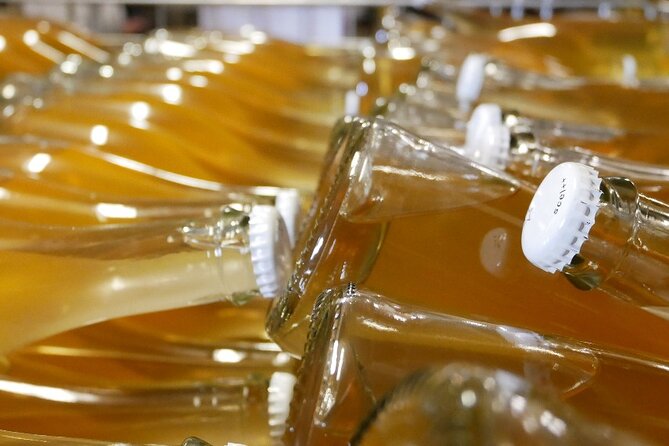
One of the most helpful parts of this class is the explanation of how production techniques affect quality and price.
Here is the practical way to think about it: method takes time, time takes labor, and labor takes cost. But the real question for you is whether that cost shows up in your glass in a way you can enjoy.
This is why the tour avoids teaching technique like a factory lecture. Instead, it ties each step back to what you notice:
- bubble character
- flavor freshness or depth
- overall balance
- how the wine feels with each sip
As you go, you learn to recognize what is worth paying for based on your taste preferences. If you want crisp and bright, you might not chase the most traditional, longest-production option. If you want layered complexity and a more refined finish, the traditional method path often makes more sense.
That is how you use this experience after it ends, not just as a fun night out.
What the Two-Hour Timing Gets You (and What It Does Not)
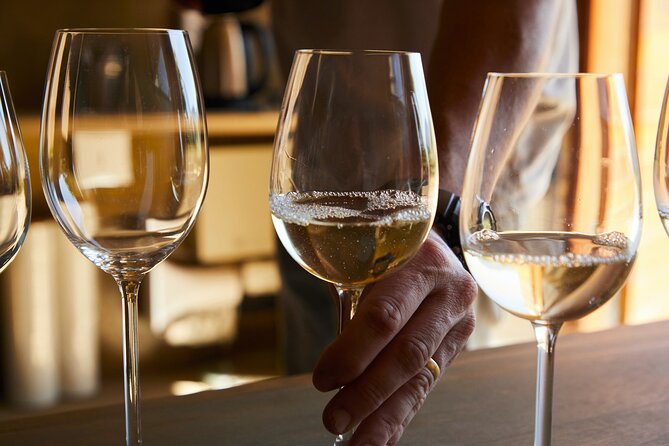
Two hours is not a lot of time. It is enough for a structured intro, three tastings, and a guided explanation with time for questions.
What it is great for:
- learning the big differences between sparkling methods
- building quick sensory intuition (bubble feel, aromatic direction, finish)
- asking beginner questions in an English-led setting
- walking away with a way to read labels more intelligently
What it does not claim to be:
- a full-day wine deep study
- a long sightseeing loop around Milan
- a replacement for a full wine-store shopping trip, bottle by bottle
So, if you come in ready to learn while you taste, you will get a lot. If you come in wanting hours of pure relaxation, you might want to pair this with a lighter plan afterward.
The Milan View Factor: Learning Feels Better Outside a Shop
One small detail that mattered from the experience vibe is the setting. You taste with Milan views, and it makes the time feel like a break, not a lecture.
That matters because wine tasting is a sensory activity. If you are stuck in a cramped room with zero atmosphere, you might get bored or overwhelmed. Here, the change of scenery helps your brain reset between tastings, so your attention stays on the glass.
Also, meeting in a central spot like Piazza Fontana means you can easily connect the class to dinner nearby after.
Who Should Book This Sparkling Wine Class
I would aim this tour at you if:
- you love Prosecco but want to go beyond guessing
- you want a clear explanation of Charmat method, classic method, and perlage
- you are a solo traveler who wants an activity with real teaching, not just wandering
- you enjoy short, high-focus experiences in a private group setting
- you are planning a first bottle purchase in Italy and want better odds of liking it
I would also consider it if you and a friend or partner want something more interesting than a standard wine bar stop, but still compact.
And I would skip it if:
- you only want a casual drink with no structure
- you prefer self-guided tastings where you choose everything on the spot
- you expected a longer sightseeing format
Quick FAQ for Your Planning
FAQ
What is the main focus of this experience?
It is a guided tasting of three Italian sparkling wines made using three different methods, with help learning how to distinguish styles by key wine terms and production techniques.
Which wines will I taste?
You will taste Prosecco and Franciacorta, plus a third Italian sparkling wine representing another method in the comparison.
How long is the tour?
It lasts about 2 hours.
Where does it start and where does it end?
It starts at Piazza Fontana, 20122 Milano MI, Italy, and it ends back at the same meeting point.
Is the tour offered in English?
Yes, the experience is offered in English.
Is this a private tour?
Yes. Only your group participates.
What happens if someone is under the legal drinking age in Italy?
Customers who have not reached the legal drinking age in Italy, 18, will not be served alcoholic beverages.
Should You Book It?
If you want to stop buying sparkling by guesswork, this is a strong choice. The value comes from the method comparison, the clear tasting language, and the fact that it is only about 2 hours, so you learn fast without losing the evening to wine homework.
Book it if you are curious about Prosecco beyond the basics or you are trying to understand why Franciacorta tastes and feels different. Consider skipping if you want an unstructured social drink, because this class is built around explanation, tasting, and learning the terms that connect to what you feel in the glass.
Newly Listed

Wine Tours, compared.
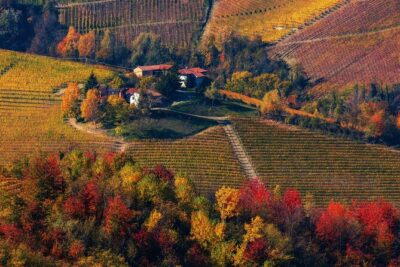
Small-Group Barolo Wine Tasting, Alba & UNESCO Piedmont Hills
Read our review →
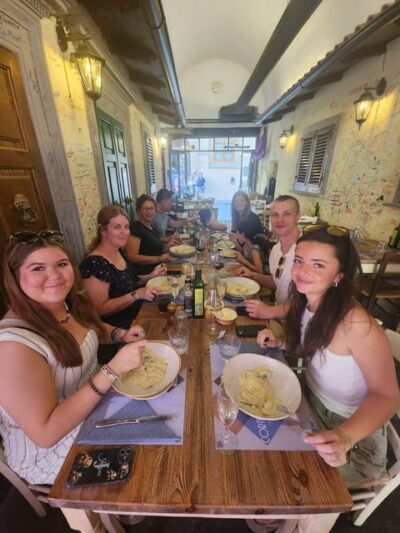
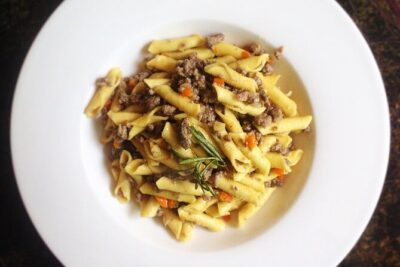
Pasta and Tiramisu Small Group Cooking Class with Wine
Read our review →
Wine Lovers Experience at Cantina Urbana Winery
Read our review →Milan Centre Food Tour of 7+ Italian Tastings with Risotto & Wine
Read our review →
Pizza Cooking Class with Tiramisù and Wine Tasting in Milan
Read our review →Browse the lists this tour appears in