
Reviewed · WINE TOURS
Milan: sensory journey to discover 3 unmissable red wines
Wine and a lesson you can actually use.
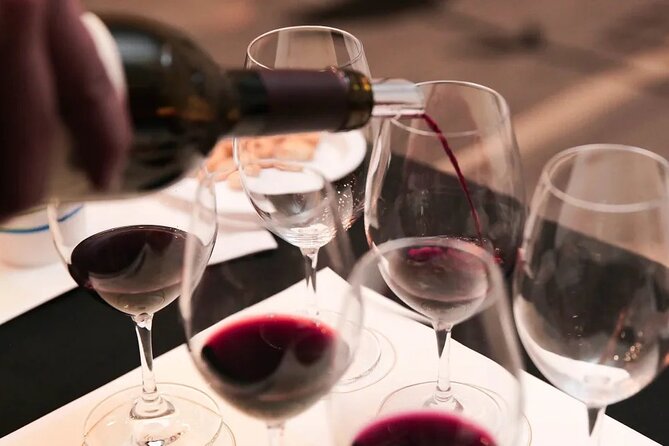
That is the appeal of this Milan tasting, where you learn wine structure through a hands-on, multi-sense approach. You start near the Duomo area, then taste three Italian reds picked to show different body and weight.
I especially like that the guide explains what to look for, not just what to drink. You’ll learn how swirling in the glass can hint at light vs full-bodied style before you even take a sip.
One consideration: this is an educational tasting, so you should be ready to slow down and focus for about 2 hours, not just do a quick drink-and-go stop.
In This Review
- Key takeaways before you go
- Why this Milan wine tasting is more useful than a simple pour
- Duomo-area start at Piazza Fontana, and why that helps
- The sensory method: how to judge wine body with your senses
- Step one, eyes and swirl
- Step two, aroma for clues
- Step three, taste and finish
- Three reds, one lesson: learning structure from different parts of Italy
- Northern styles, often lean into finesse
- The middle stretches your palate across classics
- Southern power, where weight can feel bold
- What you learn from Cornelia, and why her teaching style matters
- How the 2-hour format works for real schedules
- Price and value: what you get for $90.74
- Who should book this Milan tasting (and who might skip it)
- Practical tips for enjoying it more (without overthinking)
- Should you book this Milan wine experience?
- FAQ
- What time does the tour start?
- How long is the Milan wine tasting?
- How many people are in the group?
- What languages is the experience offered in?
- Where do I meet the guide?
- Is free cancellation available?
Key takeaways before you go
- Small-group format (max 8) keeps the pace calm and questions within reach
- English-led, mobile-ticket setup makes arrival simple
- Body, weight, and structure is taught step-by-step using eyes, smell, and taste
- A North-to-South lineup of styles helps you connect Italy’s regions to flavors
- Sommelier Cornelia’s approach is both fun and skill-building, even if you are new to wine
- You leave with a method, so you can order and evaluate wines on your own later
More bottles from the regions nearby
- Milan: Pasta and Tiramisu Cooking Class with Wine★ 4.8 · 1,106 reviews
- Gnocchi, Pasta, Tiramisù and Wine Class★ 5.0 · 691 reviews
- Small-Group Barolo Wine Tasting, Alba & UNESCO Piedmont Hills★ 5.0 · 689 reviews
- Milan: Pasta and Tiramisu Small Group Cooking Class with Wine★ 5.0 · 660 reviews
- Milan: Italian Cooking Class with Food and Wine★ 4.7 · 509 reviews
Why this Milan wine tasting is more useful than a simple pour
Most wine tours do one of two things. They either name-drop grapes and regions, or they hand you a glass and hope you figure it out. This one aims for a third option: give you a simple framework you can repeat.
The core idea is body, weight, and structure. In plain terms, that is the wine’s feel and build. Is it light and quick, or full and lingering? Does it feel tight and structured, or more relaxed? The tour doesn’t treat that like a mystery. It gives you a routine, then you practice during the tasting.
And that matters in real travel terms. When you later see bottles in a shop, or read menus in Milan, you are not stuck with a bunch of confusing labels. You have a way to judge what you are looking at.
Also, the reviews you hear from people who did this often mention two things: the guide is genuinely passionate, and the class stays fun instead of turning into a lecture. Cornelia comes up by name. One of the best signs, from a practical point of view, is that both beginners and people who already drink wine felt comfortable, meaning the teaching likely starts from fundamentals without talking down to you.
Duomo-area start at Piazza Fontana, and why that helps
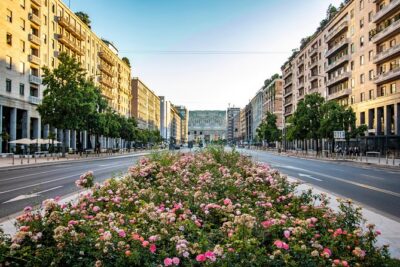
The meeting point is Piazza Fontana 6, 20122 Milano. The tour’s first stop is the Duomo di Milano area.
This is a smart setup for two reasons. First, the Duomo zone is one of the easiest places in Milan to orient yourself. Even if your day has been chaos, you can reset your bearings near a landmark everybody recognizes.
Second, a 5:00 pm start means you can do a full chunk of sightseeing earlier. You do not have to rush mornings. You can also plan this as an early evening activity before dinner, when you might be hungry but still have time to digest what you learned.
The tour runs about 2 hours, and it is capped at 8 travelers. That small size tends to keep the group from feeling like a factory line. In a tasting, speed can ruin the lesson. Here, you get time to actually compare.
The sensory method: how to judge wine body with your senses
This tasting is built around a multisensory exercise. You are not just tasting three reds and moving on. You’re learning a technique that links what you notice to what you taste.
The Duomo is the start of the story, not the whole of it.
- Milan: Cathedral and Duomo’s Terraces Entrance Ticket
★ 4.6 · 61,054 reviews - Milan: City Sightseeing Hop-On Hop-Off Bus with Audio Guide
★ 4.0 · 6,256 reviews - Milan: Milan Cathedral Direct Entrance – Terrace Excluded
★ 4.5 · 5,782 reviews
Step one, eyes and swirl
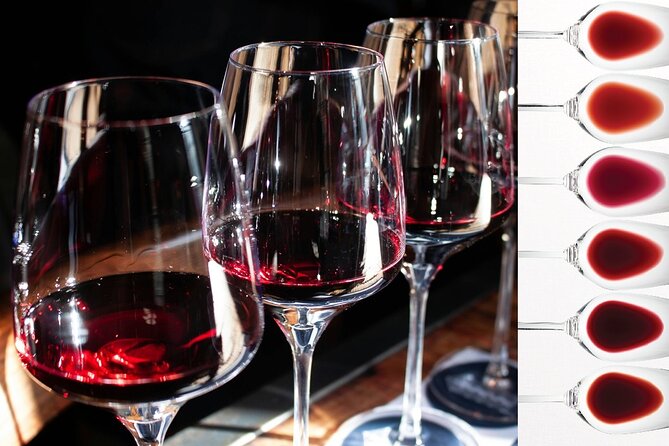
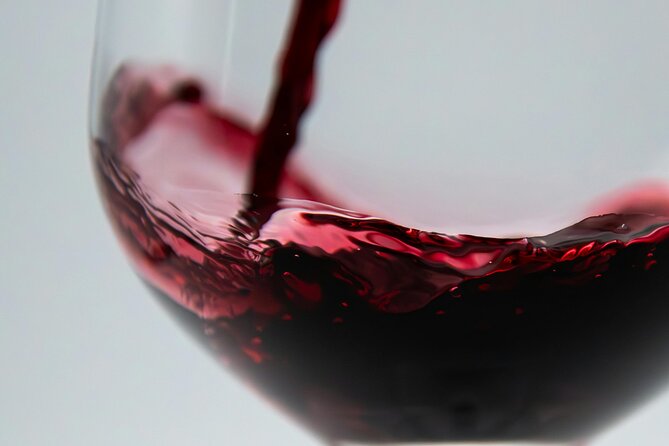
Before smell or sip, you look for the first hints. The guide explains that with only your eyes, you can see early signs of body. Then you swirl the glass to feel it. The idea is resistance, a sense that the wine hangs in the glass rather than moving like something light.
Even if you think that sounds a little “science-y,” it is actually simple to practice. If your wine sticks more to the glass as you swirl, it often suggests more weight or structure.
Step two, aroma for clues
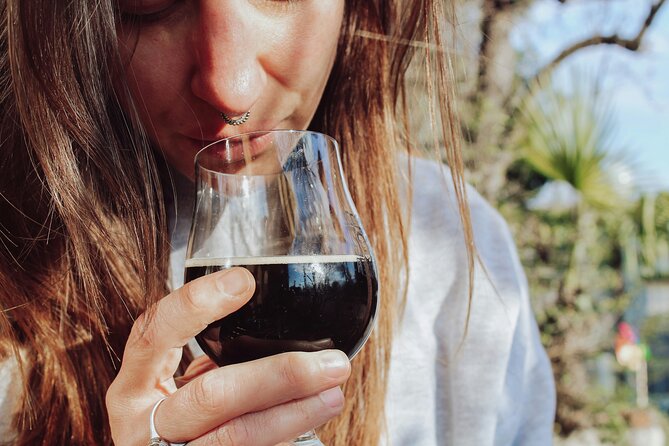
Next comes smell. Aroma is where a lot of the “why” lives. You start connecting what you notice on the nose with what you expect on the palate.
The tour uses this to teach you how structure shows up in the overall profile, not just in one single flavor.
Step three, taste and finish
Finally, you taste and evaluate. Here you decide if the wine reads as light, medium, or full. You also get the broader sense of structure: whether it feels firm, smooth, drying, or layered.
That sequence, eyes to aroma to taste, is the part you will remember when you stop guessing later.
Three reds, one lesson: learning structure from different parts of Italy
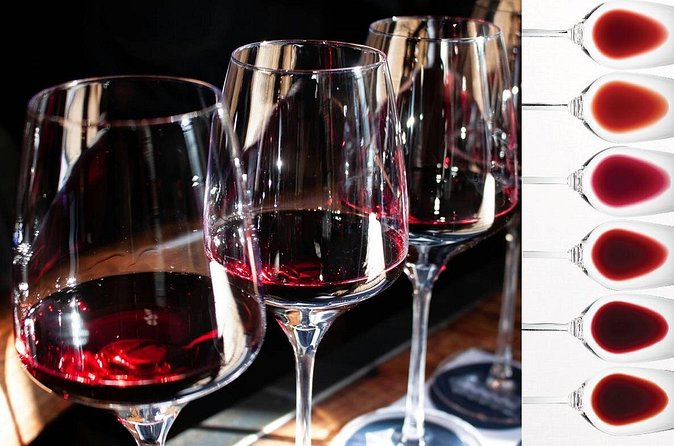
You will taste 3 Italian red wines, each chosen to represent different levels of body, weight, or structure. The tour is framed as a North-to-South journey, so you connect style to region instead of treating all reds as one category.
The tour description points to a wide range of grapes and regions that shape Italy’s red styles. Even if your exact three wines are selected from within that spectrum, you’ll get the connections clearly explained.
Here is how to think about that north-to-south arc while you taste:
Northern styles, often lean into finesse
In the northern part of the country, you’ll hear about grapes such as Lagrein and Schiava from Alto Adige, plus Barbera and Barolo from Piedmont, and Pinot Noir from Lombardy.
In practice, what you are learning to spot is how structure can still feel elegant. Northern reds can have tension, acidity, and a more focused feel, even when they are not “thin.” The sensory method helps you notice that difference between light body and simply fresh, lively weight.
The middle stretches your palate across classics
Moving inward, the syllabus includes Sangiovese from Tuscany, Lambrusco from Emilia-Romagna, and Cesanese del Piglio from Lazio, plus Pinot Noir again as a reminder that style can vary.
This is where you start seeing that “red wine” can mean very different experiences. Some styles show more fruit-forward energy, others lean into savory, firm structure. The goal is not to label one as good and the others as wrong. It is to recognize structure differences and learn how they change the feel on your palate.
Southern power, where weight can feel bold
For the south, the description mentions Aglianico from Campania, Sagrantino from Umbria, Montepulciano from Abruzzo, Negramaro and Primitivo from Puglia, plus Sicilian options like Nero d’Avola and Nerello Mascalese.
This part of the tastings framework is very practical. You learn how fuller-bodied wines often bring more apparent weight, more depth in aroma, and a longer finish. But you also learn not to equate “bigger” with automatically better. Bigger can be great, but you’ll understand what you actually enjoy about it.
What you learn from Cornelia, and why her teaching style matters
One review highlights Cornelia as a high-end wine sommelier with a real passion for sharing knowledge. Another says the tasting taught the foundations of a professional wine tasting in about two hours, without overwhelming someone who was new.
That blend is rare. Many tours have a mismatch problem. Either they are too basic for experienced drinkers, or they get technical too fast for beginners.
If Cornelia is doing it well here, you should expect the best of both worlds:
- You get a clear, repeatable method
- You still get fun conversation and guidance, not just a checklist
That has value even beyond wine. When a tour guide can explain sensory concepts in a way that feels natural, you tend to remember it. You do not just drink. You learn what your senses are doing.
How the 2-hour format works for real schedules
Let’s talk timing, because that’s how you decide if an activity fits your trip.
This tour starts at 5:00 pm and runs about 2 hours. That usually lands you finished around early evening, which is perfect if you want:
- an education before dinner
- a low-stress activity when the midday sun or museum lines are annoying
- something focused that does not hijack your whole day
It also helps that the group is limited to 8 travelers. Small group tastings typically feel more like a class at a good pace than a fast shuffle through multiple stations.
There’s also a nice practical detail: the tour is offered in English, and the tour uses a mobile ticket. Confirmation is handled at booking, unless you book very close to the start time, in which case you get confirmation as soon as possible if there is availability.
Price and value: what you get for $90.74
At $90.74 per person for about 2 hours, you’re paying for three things at once:
- guided tasting of three Italian red wines
- an actual teaching method, not just tasting labels
- a small group experience near a major landmark
The value question is simple: do you want a wine lesson you can use after the tour, or do you just want a couple of sips?
If you want the second, there might be cheaper drink-only options. But this isn’t that kind of experience. It is set up to change how you taste, and how you describe what you taste.
The reviews also point to quality and fun. One mention is that it never felt patronizing. That matters because, in wine classes, the worst-case scenario is getting talked at. Here, the tone seems to stay friendly while still teaching real skills.
So, for $90.74, I’d frame this as a good value if you care about learning. If you only care about drinking and not learning, you might feel it’s slightly pricier than you expected.
Who should book this Milan tasting (and who might skip it)
This works best for you if:
- you like the idea of a wine lesson that uses your senses, not just trivia
- you want a guided comparison across different Italian red styles
- you are traveling with someone who is new to wine, and you want an experience that doesn’t favor one side
- you want a compact activity that fits an evening schedule
You might skip it if:
- you prefer wine tastings that are long and exploratory, with lots of food pairings or extended time per wine (this one is about 2 hours)
- you are looking for a self-paced tasting where you can ignore instructions completely
Practical tips for enjoying it more (without overthinking)
A few things will help you get the most out of this kind of sensory exercise.
- Go in ready to slow down for a short lesson. Even if you think you already know wine, the body/weight approach can sharpen your instincts.
- Pay attention during the swirl and the first sniff. That is where the method starts.
- If you have preferences, keep them simple. For example, if you love lighter reds, ask about what “light-bodied” means beyond taste. The guide is teaching structure, and that’s the most useful kind of question.
- Use what you learn right after. If you order wine for dinner, try to map what you tasted to how it feels in the glass and on the finish.
Should you book this Milan wine experience?
If you want a wine tasting that actually teaches you how to taste, this is a strong pick. The combination of a small group, English-led instruction, and the clear sensory framework for body, weight, and structure is the real reason to book.
I would book it if:
- you enjoy learning through experience
- you want to feel confident ordering and describing wine in Italy
- you like a guide who can keep things fun while still being precise, as Cornelia’s reputation suggests
I’d pass if your main goal is to collect a few sips with no lesson. In that case, the value might not match your expectations.
FAQ
What time does the tour start?
It starts at 5:00 pm.
How long is the Milan wine tasting?
It lasts about 2 hours.
How many people are in the group?
The maximum group size is 8 travelers.
What languages is the experience offered in?
It is offered in English.
Where do I meet the guide?
You meet at Piazza Fontana, 6, 20122 Milano MI, Italy, and the activity ends back at the meeting point.
Is free cancellation available?
Yes. You can cancel for a full refund up to 24 hours in advance of the experience start time. Within 24 hours, the amount paid is not refunded.
Newly Listed

Wine Tours, compared.
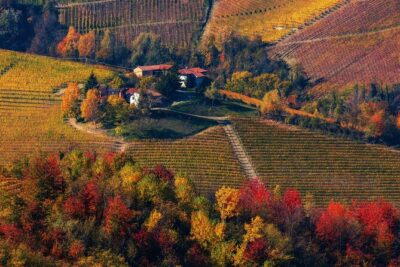
Small-Group Barolo Wine Tasting, Alba & UNESCO Piedmont Hills
Read our review →
Pasta and Tiramisu Small Group Cooking Class with Wine
Read our review →
Wine Lovers Experience at Cantina Urbana Winery
Read our review →Milan Centre Food Tour of 7+ Italian Tastings with Risotto & Wine
Read our review →
Pizza Cooking Class with Tiramisù and Wine Tasting in Milan
Read our review →Browse the lists this tour appears in